

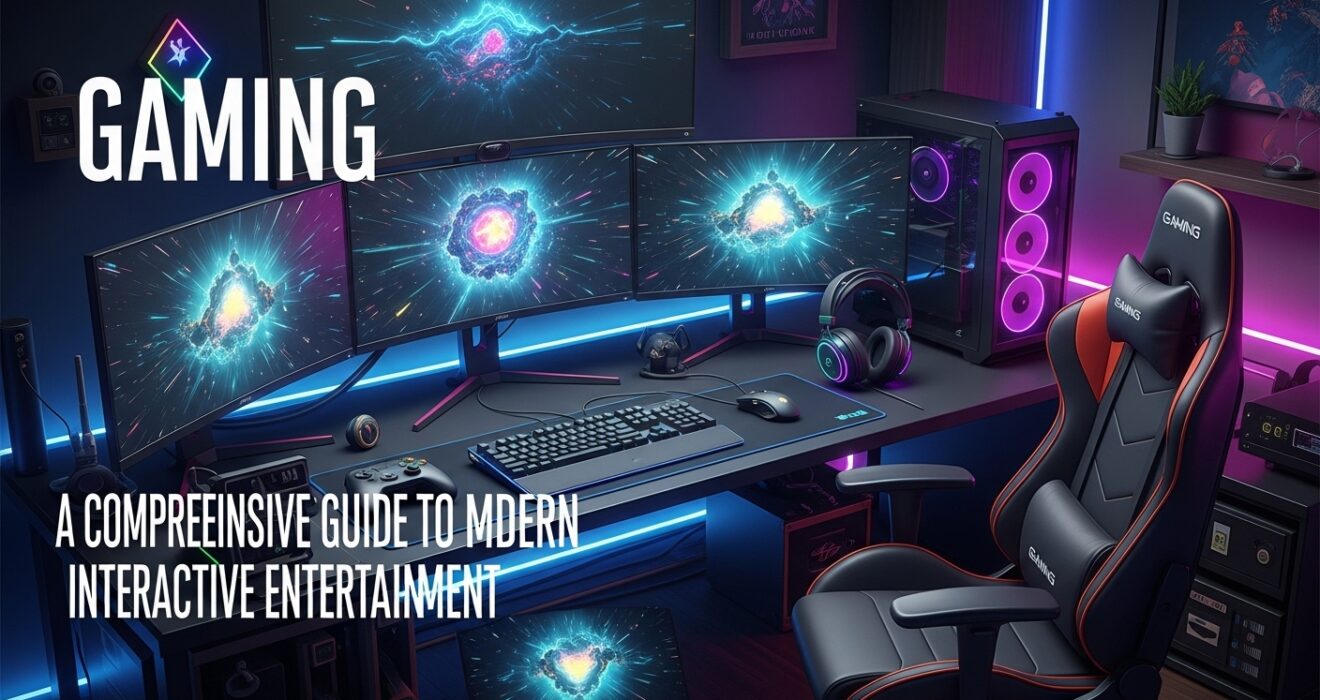
Gaming: A Comprehensive Guide to Modern Interactive Entertainment
The Gaming, a dynamic and ever-evolving form of interactive entertainment, has transcended its niche origins to become a global phenomenon. What began as simple pixelated experiences has blossomed into a multi-billion dollar industry, captivating millions across diverse demographics. Indeed, modern gaming offers unparalleled immersion, complex narratives, and vibrant social communities. This comprehensive guide delves into the multifaceted world of interactive entertainment, exploring its rich history, various platforms, popular genres, and significant cultural impact. Consequently, we will uncover why *gaming continues to be a powerful, influential force in contemporary society.
The Evolution of Gaming
The journey of gaming is a remarkable story of innovation. Initially, early arcade games like Pong* and *Space Invaders* laid foundational groundwork in the 1970s. However, the 1980s witnessed the pivotal rise of home consoles such as the Atari 2600 and the Nintendo Entertainment System (NES), bringing digital worlds directly into living rooms. Furthermore, this era introduced iconic franchises like *Super Mario Bros.* and *The Legend of Zelda, which still resonate today.
From Arcades to Home Consoles
The significant shift from public arcades to private home consoles marked a profound turning point. Suddenly, players could enjoy titles at their leisure, without needing to constantly feed coins into a machine. Moreover, advances in graphics and processing power allowed for increasingly intricate game designs. For instance, the Super Nintendo (SNES) and Sega Genesis pushed technological boundaries with their 16-bit graphics and sophisticated gameplay mechanics, captivating a growing audience.
The Rise of 3D and Online Multiplayer
The mid-1990s revolutionized gaming* with groundbreaking 3D graphics, spearheaded by consoles like the original PlayStation and Nintendo 64. Seminal titles such as *Super Mario 64* and *The Legend of Zelda: Ocarina of Time* redefined player expectations. Subsequently, the early 2000s ushered in widespread internet access, transforming **gaming into a social, interconnected online experience. Massively multiplayer online role-playing games (MMORPGs) like *World of Warcraft, for example, demonstrated the immense potential of virtual worlds where thousands could interact simultaneously.
Types of Gaming Platforms
Today, enthusiasts have an impressive array of platforms. Therefore, understanding these diverse options is crucial for any gamer.
PC Gaming
Often considered the pinnacle of performance, PC gaming offers unparalleled graphical fidelity, higher frame rates, and extensive customization. Players can upgrade components, utilize high refresh rate monitors, and access a vast library from digital storefronts like Steam. Moreover, the open nature of PC gaming actively fosters vibrant modding communities and supports independent game development. Nevertheless, the initial investment for a high-end gaming PC can be significantly higher than for a console.

Console Gaming
Dedicated consoles like Sony’s PlayStation, Microsoft’s Xbox, and Nintendo’s Switch provide a streamlined, user-friendly, plug-and-play experience. They are specifically designed for ease of use, often featuring optimized performance for exclusive titles that drive platform loyalty. The Nintendo Switch, in particular, offers unique hybrid functionality, allowing both home and portable play. Consequently, consoles remain incredibly popular due to their accessibility, robust online multiplayer services, and strong community features.

Mobile Gaming
Smartphones and tablets have democratized gaming*, making it accessible to billions worldwide. Mobile *gaming encompasses a wide range of titles, from casual puzzle games to complex RPGs, often utilizing intuitive touch controls. Free-to-play models overwhelmingly dominate this sector, with revenue generated primarily through in-app purchases. Clearly, the sheer convenience of playing anywhere, anytime, has fueled the explosive growth and widespread adoption of mobile gaming.

Popular Gaming Genres
The immense diversity of gaming genres ensures something engaging for everyone. Each genre offers distinct gameplay mechanics and storytelling approaches.
Action and Adventure
This broad category includes games characterized by fast-paced combat, extensive exploration, and often compelling narratives. Examples include adrenaline-pumping first-person shooters (FPS) like Call of Duty*, immersive third-person action games such as *Grand Theft Auto V*, and epic adventure titles like *Uncharted. These games frequently test players’ reflexes and strategic thinking.
Role-Playing Games (RPGs)
RPGs immerse players in rich, detailed worlds, allowing them to embody a customizable character and make choices that influence the story. Key hallmarks include deep character progression, extensive lore, and vast customization options. The Witcher 3: Wild Hunt*, *Final Fantasy VII Remake*, and *Elden Ring are prime examples, offering hundreds of hours of engaging content.
Strategy Games
Strategy games demand acute critical thinking, meticulous planning, and efficient resource management. This genre includes real-time strategy (RTS) titles like StarCraft II* and turn-based strategy games such as *Civilization VI. These titles consistently challenge players to outwit opponents or build thriving empires, often boasting incredibly high skill ceilings.
Sports and Simulation
Sports games meticulously replicate real-world athletic competitions, providing virtual arenas for fans. Franchises like FIFA* and *NBA 2K* dominate the market, offering realistic gameplay. Simulation games, on the other hand, allow players to manage complex systems, ranging from designing cities in *Cities: Skylines* to piloting aircraft in *Microsoft Flight Simulator. Indeed, these genres offer a different, often more cerebral, kind of immersive experience.
The Social Aspect of Gaming
Beyond solitary experiences, gaming has remarkably fostered strong social bonds and vibrant, global communities. Multiplayer experiences are central to this dynamic social dimension.
Online Multiplayer and Co-op
Playing with friends or engaging with strangers online is a fundamental cornerstone of modern gaming. Cooperative (co-op) games allow players to work collaboratively towards a common objective. Conversely, competitive multiplayer modes pit players against each other, testing individual skill and coordinated strategy. Games like Fortnite* and *League of Legends thrive on their massive, active online communities.
Streaming and Content Creation
Platforms like Twitch and YouTube Gaming have transformed gaming into a widely watched spectator sport and a powerful medium for content creation. Streamers broadcast live gameplay, offering commentary or entertaining interactions, building massive followings. This dynamic content creation ecosystem further deepens the social fabric of the gaming world. Consequently, many gamers find a significant sense of belonging through watching others play and participating in chat discussions.
The Competitive World of Esports
Esports, or electronic sports, represents the professional, highly competitive side of gaming. It has rapidly grown from a niche interest into a global phenomenon, complete with professional players, organized teams, structured leagues, and lucrative prize pools.
Major Esports Titles
Games such as Dota 2*, *Counter-Strike: Global Offensive (CS:GO)*, *League of Legends*, and *Valorant stand at the forefront of the esports landscape. These titles demand immense individual mechanical skill, precise teamwork, and profound strategic depth, making them thrilling to watch and challenging to master. Furthermore, the level of competition in these professional circuits is extraordinarily high.
Tournaments and Spectatorship
Esports tournaments now regularly fill massive arenas and attract millions of online viewers, rivaling traditional sports events in scale. Prestigious events like The International (for Dota 2) and the League of Legends World Championship are prime examples. Clearly, the excitement, drama, and high stakes involved in these competitions are palpable, drawing in a global audience eager to witness top-tier gaming prowess.
Benefits and Challenges of Gaming
While often viewed as mere entertainment, gaming offers numerous profound cognitive and social benefits. However, like any engaging activity, it also presents certain challenges.
Cognitive Benefits
Research suggests that engaging in gaming can significantly enhance cognitive functions. For instance, complex strategy and puzzle games demand sophisticated problem-solving skills and critical thinking. Action games, particularly first-person shooters, improve reaction times, hand-eye coordination, and spatial awareness. Moreover, narrative-driven games can boost reading comprehension and memory retention, making gaming a surprisingly potent tool for mental development.
Social Skills and Teamwork
Multiplayer games, especially cooperative ones, often necessitate effective communication and robust teamwork. Players learn to coordinate strategies, resolve conflicts, and build camaraderie with teammates. These developed social skills are highly transferable to real-world interactions. Therefore, when approached mindfully, gaming can indeed be a powerful catalyst for social development and connection.
Potential Downsides
It is important to acknowledge that excessive gaming can lead to issues such as sedentary lifestyles and sleep deprivation. In rare cases, problematic gaming behavior can escalate to addiction. Consequently, it is crucial for all players to maintain a healthy and balanced approach, integrating gaming with other life activities, exercise, and social engagements. Parents, in particular, should monitor screen time and ensure age-appropriate content consumption.
Getting Started in Gaming
For newcomers, the vast world of gaming might initially seem daunting. Nevertheless, embarking on your interactive journey is often easier and more rewarding than you might imagine.
Choosing Your Platform
Your first step involves considering your budget, preferred game types, and whether you prioritize portability or raw graphical power. A dedicated console offers a simple entry point. A Nintendo Switch provides unique flexibility with its hybrid modes. Conversely, a gaming PC provides maximum flexibility and upgradeability, though often at a higher initial cost. Mobile gaming is the most accessible for casual, on-the-go play.
Exploring Genres and Games
Don’t be afraid to experiment with different genres. Many modern games offer free demos, or you can explore vast libraries through subscription services like Xbox Game Pass. Reading online reviews, watching gameplay videos, and asking for recommendations can provide valuable insights before you commit.
Joining Communities
Connecting with other players through online forums, social media groups, or in-game chats can significantly enhance your gaming experience. These communities provide opportunities to find teammates, discuss strategies, and foster new friendships. Ultimately, the vibrant and welcoming community aspect is a huge part of the fun and longevity of modern gaming.
Conclusion
In summary, gaming* has evolved from a simple pastime into a multifaceted cultural phenomenon, deeply integrated into modern society. We’ve explored its rich history, from arcade cabinets to sophisticated online worlds, and examined the diverse platforms that cater to every preference. From action-packed adventures to strategic simulations, the array of genres offers boundless entertainment. Furthermore, gaming fosters vibrant communities, drives the competitive world of esports, and provides significant cognitive and social benefits. While mindful engagement is key to avoiding potential downsides, the overarching narrative of *gaming is one of innovation, connection, and immersive storytelling. Its future promises even greater technological advancements and ever more captivating experiences for players worldwide.
your gaming experience will goes Nice Visit our other blogs also visit us at Pintrest.
Frequently Asked Questions (FAQ)
Q: What are the main types of gaming platforms available today?
A: The main types include PC gaming, which offers high performance and customization; console gaming (PlayStation, Xbox, Nintendo Switch) for streamlined, exclusive experiences; and mobile gaming (smartphones, tablets) for accessible, on-the-go play. Each platform caters to different player preferences and budgets.
Q: Can gaming actually be beneficial for cognitive skills?
A: Yes, numerous studies suggest that regular gaming can enhance cognitive skills. For instance, strategy games improve problem-solving and critical thinking, while action games boost reaction times and spatial awareness. Additionally, narrative-driven games can improve memory and reading comprehension.
Q: How can I ensure a healthy balance with gaming?
A: Maintaining a healthy balance involves setting time limits, taking regular breaks, and ensuring gaming doesn’t interfere with physical activity, sleep, or social interactions. It’s important to integrate gaming as one part of a well-rounded lifestyle, rather than letting it dominate.