Digital art trends: Shaping the Future of Creativity
Digital art has rapidly evolved, becoming a dominant force in the creative landscape. Indeed, it constantly pushes boundaries, utilizing cutting-edge technology to unlock new forms of expression. Understanding the current Digital art trends is crucial for artists, enthusiasts, and collectors alike, as these shifts not only reflect technological advancements but also societal and cultural changes. This article delves into the most impactful trends, offering a comprehensive overview of where digital art is heading.
The Rise of AI in Digital Art
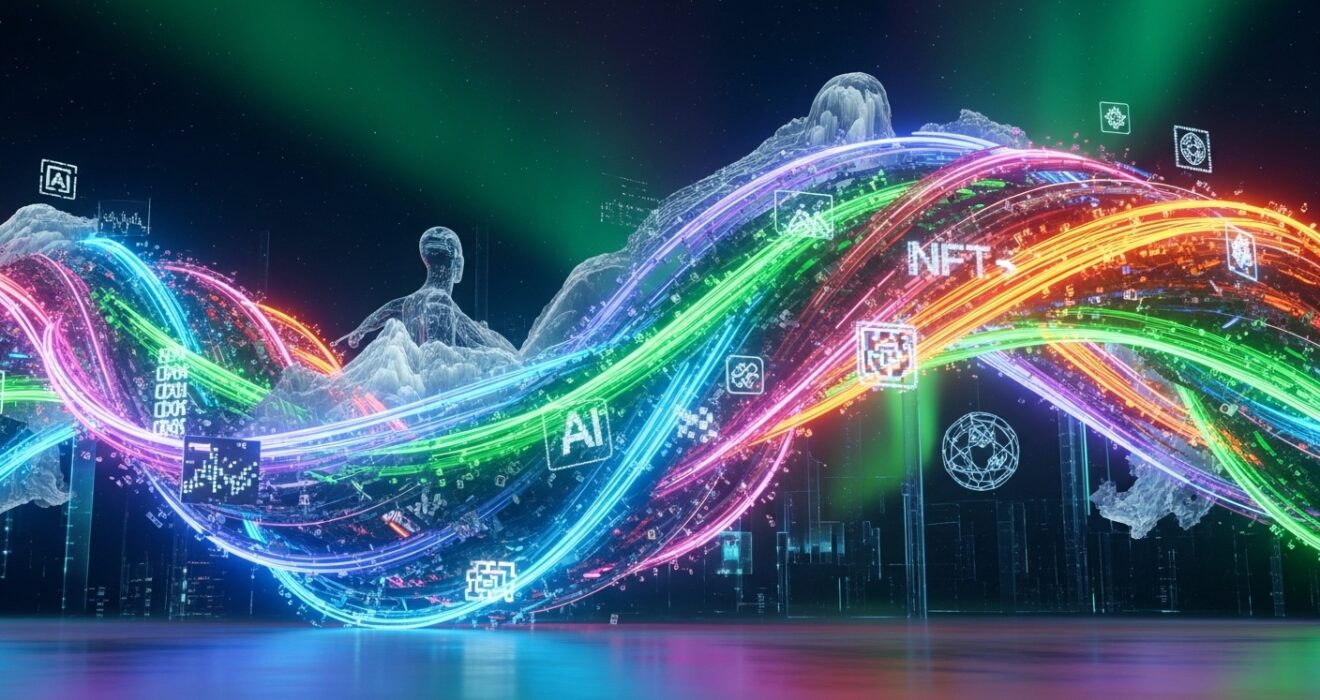
Artificial Intelligence (AI) has undeniably emerged as a transformative power within the digital art sphere. Specifically, it has introduced unprecedented tools and methodologies that challenge traditional creative processes. Many artists now leverage AI, thereby expanding their capabilities and exploring new aesthetic territories.
Generative AI and Machine Learning
Generative AI, exemplified by tools like Midjourney, DALL-E, and Stable Diffusion, has revolutionized how images are created. These platforms allow users to generate complex visuals from simple text prompts, or even existing images. Consequently, artists can rapidly prototype ideas, explore countless variations, and achieve styles that would be labor-intensive or impossible through conventional methods. Furthermore, machine learning algorithms are improving, enabling more nuanced control and sophisticated output, which greatly enhances the creative potential.
AI-Assisted Creation
Beyond fully generative art, AI also serves as a powerful assistant. For instance, AI-powered software can automate repetitive tasks, suggest color palettes, or even help with composition. This assistance frees artists to focus on conceptual development and unique artistic choices. Therefore, AI is not merely replacing human creativity; rather, it is augmenting it, providing tools that amplify human imagination and efficiency. Artists are increasingly integrating AI into their workflows, seeing it as a collaborator rather than a competitor.
Impact on the Art World
The integration of AI has sparked considerable debate regarding originality, authorship, and the very definition of art. Nevertheless, it has also democratized creation, allowing individuals without traditional art training to produce compelling visuals. Ethical considerations, such as data sourcing and potential biases in algorithms, are also prominent. However, the ongoing discourse helps shape a more responsible and innovative future for digital art.
Immersive Experiences: VR, AR, and Beyond
Immersive technologies are profoundly changing how we interact with and experience digital art. Virtual Reality (VR) and Augmented Reality (AR) offer new dimensions for artistic expression, transforming passive viewing into active participation. These technologies invite audiences into the artwork, creating memorable and engaging encounters.
Virtual Reality Art
VR platforms enable artists to sculpt, paint, and build entire worlds in three dimensions. Tools like Tilt Brush and Medium allow for intuitive, spatial creation, moving beyond the flat canvas. Moreover, virtual galleries and museums are gaining traction, providing accessible spaces for showcasing VR art to a global audience. Viewers can literally step inside an artwork, exploring it from multiple angles and perspectives, which offers a truly unique experience.
Augmented Reality Art
AR art overlays digital content onto the real world, often via smartphone apps or smart glasses. This trend allows artists to create site-specific installations that interact with physical environments. For example, AR filters on social media platforms have popularized digital masks and interactive elements, making AR art accessible to millions. Artists are leveraging AR to transform public spaces, adding layers of digital narrative and visual intrigue to everyday surroundings.
Interactive Installations
Beyond personal devices, large-scale interactive digital art installations are captivating audiences in public spaces. These often combine projection mapping, motion sensors, and responsive software to create dynamic, evolving artworks. Viewers’ movements or sounds can influence the art, making each experience unique. Consequently, these installations foster a deeper connection between the audience and the artwork, blurring the lines between observer and participant.
NFTs and the Blockchain Revolution
Non-Fungible Tokens (NFTs) have introduced a paradigm shift in the ownership and monetization of digital art. Built on blockchain technology, NFTs provide verifiable proof of ownership and authenticity for digital assets, thereby addressing a long-standing challenge in the digital realm.
Digital Ownership and Scarcity
Before NFTs, digital files were infinitely replicable, making scarcity a difficult concept to apply. NFTs, however, assign a unique digital token to an artwork, making it one-of-a-kind and provably scarce. This has created a new market for digital collectibles, allowing artists to sell their work directly to collectors with guaranteed provenance. Consequently, this has fostered a sense of value and exclusivity for digital creations that previously lacked such attributes.
Artist Empowerment
NFTs have significantly empowered digital artists. They can now sell their work directly to a global audience, bypassing traditional galleries and intermediaries. Furthermore, many NFT platforms allow artists to earn royalties on secondary sales, providing a continuous income stream. This model offers unprecedented financial independence and creative control for artists, dramatically altering traditional art market dynamics. Therefore, NFTs represent a powerful tool for artistic entrepreneurship.
Challenges and Evolution
The NFT market has experienced periods of immense hype and subsequent volatility. Concerns about environmental impact due to blockchain’s energy consumption, as well as issues of intellectual property theft and market manipulation, have also arisen. Nevertheless, the underlying technology continues to evolve, with efforts towards more sustainable blockchains and improved regulatory frameworks. The long-term impact of NFTs on Digital art trends is still unfolding, but their role in establishing digital ownership remains significant.
Stylistic Digital Art Trends to Watch
Beyond technological innovations, distinct aesthetic movements and styles continually emerge within digital art. These stylistic Digital art trends often reflect broader cultural shifts and the capabilities of new software and hardware. Understanding these visual directions offers insight into the evolving language of digital creativity.
Neo-Brutalism and Glitch Art
Neo-Brutalism in digital art often features raw, unrefined textures, bold typography, and stark, often monochromatic color palettes. It embraces a sense of functionalism and minimalism, sometimes with a deliberately ‘broken’ or imperfect aesthetic. Simultaneously, Glitch Art, which intentionally incorporates digital errors and distortions, continues to be a powerful form of expression. It celebrates the imperfections of digital media, turning digital artifacts into artistic statements. Both styles offer a counterpoint to polished, hyper-realistic aesthetics.
Hyperrealism and Photobashing
On the other end of the spectrum, hyperrealism in digital painting and 3D rendering continues to impress with its astonishing detail and lifelike quality. Artists meticulously craft textures, lighting, and forms to mimic reality with incredible precision. Photobashing, a technique involving combining and manipulating multiple photographic elements to create a new image, is often employed to achieve complex, highly detailed scenes quickly. This method is particularly prevalent in concept art for film, games, and advertising, where speed and realism are paramount.
3D and Motion Graphics Dominance
Three-dimensional art and motion graphics are pervasive across various industries, from cinema and video games to advertising and web design. Advanced rendering engines and powerful software enable artists to create stunningly realistic or stylized 3D environments, characters, and animations. The demand for engaging visual content has further fueled the growth of motion graphics, which combine typography, illustration, and animation to convey messages dynamically. Consequently, this trend emphasizes immersive visual storytelling and dynamic presentation.
Vector Art and Flat Design Evolution
Vector art, characterized by crisp lines and scalable graphics, remains a staple in illustration, branding, and user interface design. While flat design had its peak, it has evolved into a more nuanced approach, often incorporating subtle gradients, shadows, and textures to add depth without sacrificing simplicity. This ‘neo-flat’ or ‘semi-flat’ aesthetic offers a clean, modern, and highly functional visual language, making it ideal for digital platforms where clarity and responsiveness are key.
The Blurring Lines: Hybrid Art Forms
Contemporary digital art frequently transcends traditional categories, blending different mediums and disciplines. This hybridization creates innovative art forms that challenge conventional definitions and offer richer, multi-sensory experiences. Artists are increasingly comfortable experimenting across boundaries, utilizing diverse tools to achieve their visions.
Traditional Meets Digital
Many artists now seamlessly integrate traditional art techniques with digital tools. For example, an artist might sketch on paper, then scan and digitally paint, or start digitally and then print and embellish with physical media. Software like Procreate and Adobe Photoshop are instrumental in this fusion, allowing for a natural transition between physical and digital workflows. This approach leverages the strengths of both worlds, combining the tactile feel of traditional art with the flexibility and precision of digital tools.
Performance Art with Digital Elements
Performance art is also embracing digital integration. Live performances often feature interactive projections, real-time generative visuals, and digital soundscapes that respond to the performers’ movements or audience participation. These elements create dynamic, immersive experiences that blur the lines between physical presence and digital enhancement. Consequently, the stage becomes a canvas for evolving digital narratives, offering a truly multi-modal spectacle.
Data Visualization as Art
As data becomes increasingly abundant, artists are finding creative ways to visualize complex datasets, transforming information into aesthetically compelling and insightful artworks. This trend, known as data art or data visualization, uses algorithms and graphical representations to reveal patterns, tell stories, and evoke emotions from raw data. It combines scientific rigor with artistic expression, making abstract information accessible and beautiful. Therefore, data visualization serves as a powerful bridge between analytics and aesthetics.
Community and Collaboration in Digital Art
The digital realm inherently fosters community and collaboration, which are vital aspects of current Digital art trends. Online platforms have created global networks where artists can connect, share, learn, and collaborate on projects, breaking down geographical barriers and fostering a vibrant creative ecosystem.
Online Platforms and Forums
Platforms such as DeviantArt, ArtStation, Behance, and Instagram serve as vital hubs for digital artists. They provide spaces for showcasing portfolios, receiving feedback, and discovering new talent. These communities offer invaluable support, mentorship, and inspiration, helping artists to grow and refine their craft. Many artists find their voice and build their audience through these online interactions, highlighting the importance of digital spaces for artistic development.
Collaborative Projects
The ease of digital sharing and communication has facilitated an increase in collaborative digital art projects. Artists from different parts of the world can work together on a single piece, contributing their unique skills and perspectives. This might involve joint illustrations, animated shorts, or even large-scale virtual world-building. Such collaborations foster cross-cultural exchange and often result in innovative works that no single artist could create alone, demonstrating the power of collective creativity.
The Role of Social Media
Social media platforms are indispensable for digital artists seeking visibility and engagement. They allow artists to share their process, connect directly with fans and potential clients, and participate in global art challenges. A strong social media presence can be a powerful tool for self-promotion and community building, enabling artists to cultivate a loyal following and gain exposure. Indeed, social media has become a primary channel for discovering and disseminating new Digital art trends.
Sustainability and Ethics in Digital Art Trends
As digital art continues to expand its reach and impact, the discussion around its ethical implications and environmental footprint becomes increasingly important. Addressing these concerns is crucial for the sustainable growth and acceptance of digital artistic practices.
Environmental Impact of Blockchain
While NFTs offer significant benefits, the energy consumption associated with some blockchain networks (particularly Proof-of-Work systems) has raised environmental concerns. Artists and platforms are, however, actively exploring and adopting more energy-efficient blockchain solutions, such as Proof-of-Stake. This shift towards sustainable practices is a growing trend, reflecting a collective responsibility to minimize the ecological footprint of digital art. Consequently, greener alternatives are becoming a priority for the digital art community.
Copyright and Ownership in the AI Era
The advent of generative AI has brought intellectual property and copyright issues to the forefront. Questions about the ownership of AI-generated art, the ethical sourcing of training data, and the protection of artists’ styles are complex and ongoing. Legal frameworks are struggling to keep pace with technological advancements, necessitating new dialogues and potential regulations to ensure fair use and proper attribution. Therefore, establishing clear guidelines for AI-generated content is a critical challenge.
Accessibility and Inclusivity
Digital art has the potential to be highly accessible, but ensuring inclusivity remains a key ethical consideration. Efforts are being made to make digital art tools and platforms more user-friendly for individuals with diverse abilities. Additionally, promoting diverse voices and perspectives within the digital art community is vital. This includes supporting artists from underrepresented groups and ensuring that the digital art space is welcoming and equitable for all creators. Ultimately, fostering a diverse and inclusive environment strengthens the entire digital art ecosystem.