
Cat S car meaning: Understanding structural write-offs
When you are browsing the used car market, you might encounter vehicles listed at surprisingly low prices. Often, these listings mention specific insurance categories that can be confusing for the average buyer. Specifically, understanding the Cat S car meaning is essential for anyone looking to purchase a pre-owned vehicle in the United Kingdom. This designation significantly affects the value, safety, and insurability of a car. In this comprehensive guide, we will explore every facet of Category S vehicles to help you make an informed decision.
What is the Cat S Car Meaning?
The term Category S, or Cat S, refers to a vehicle that has been written off by an insurance company due to structural damage. However, the damage is not so severe that the car must be scrapped. In the past, the industry used Category C and Category D to describe write-offs. In October 2017, the Association of British Insurers (ABI) updated these categories. This change aimed to focus more on the nature of the damage rather than just the cost of repair. Consequently, the Cat S car meaning specifically highlights structural issues that affect the integrity of the vehicle.
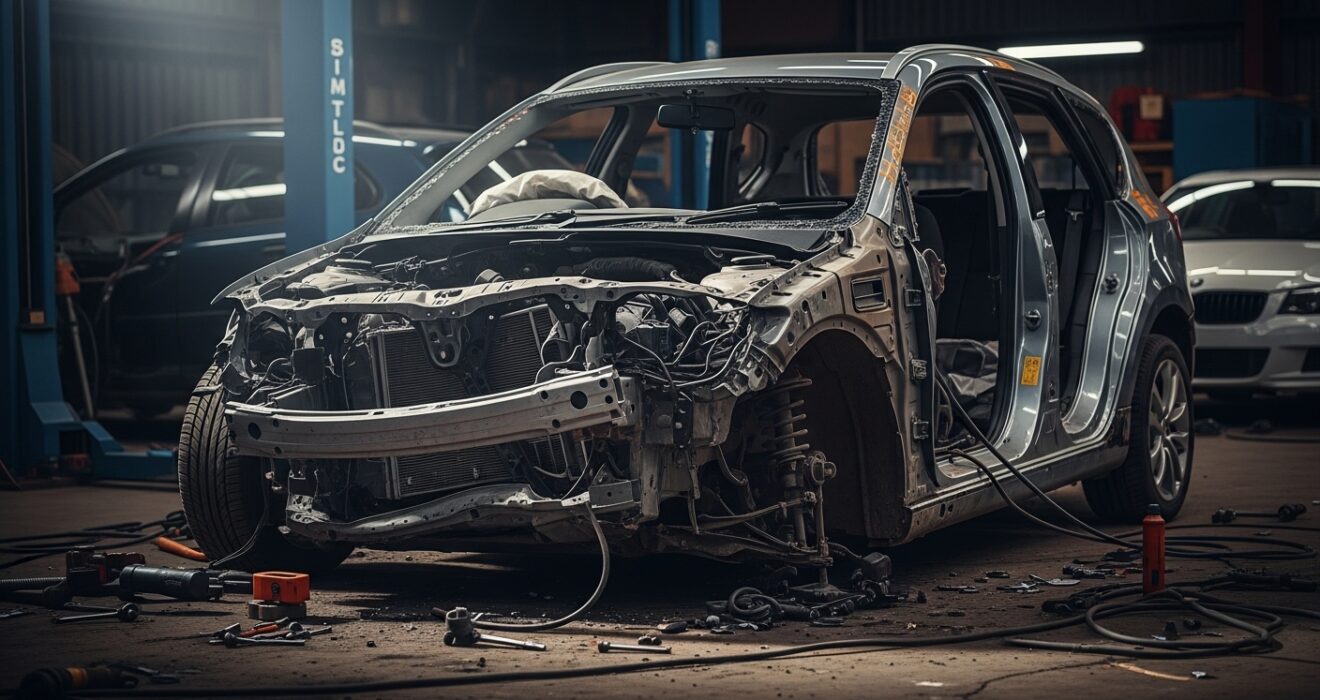
Structural damage includes issues with the chassis, the crumple zones, or the pillars. These components are vital for the safety of the occupants. If a car sustains damage to these areas, it is classified as Cat S. Therefore, even if the vehicle looks perfect on the outside after a repair, its underlying structure was once compromised. This classification stays with the vehicle for its entire life. It is recorded by the Driver and Vehicle Licensing Agency (DVLA) and will appear on the logbook (V5C).
The Technical Side of Structural Damage
Understanding the technical aspects of the Cat S car meaning requires a look at automotive engineering. A car’s structure is designed to absorb impact during a collision. For example, the front and rear crumple zones are engineered to deform in a specific way. This deformation protects the passenger cabin. When these zones are damaged, the car’s ability to protect passengers in a future crash may be reduced.
In addition to crumple zones, the chassis serves as the backbone of the vehicle. If the chassis is twisted or bent, the car may not handle correctly. Moreover, the suspension mounts and steering components are often attached to these structural elements. Consequently, a structural write-off is a serious matter. Repairs must be carried out to a very high standard to ensure the vehicle remains roadworthy. Many buyers feel hesitant because they worry about the quality of these repairs. This is a valid concern that requires careful investigation.
How Cat S Differs from Other Categories
To fully grasp the Cat S car meaning, it is helpful to compare it to other insurance categories. The most common alternative you will see is Category N. While Cat S stands for structural damage, Cat N stands for non-structural damage.
Category N (Non-Structural)
Category N vehicles have sustained damage that does not affect the structural integrity of the car. This could include issues with the electronics, the engine, or the body panels. For instance, a heavy dent in a door or a faulty wiring harness might lead to a Cat N classification. Because the structure is intact, these cars are generally seen as less risky than Cat S vehicles.
Category A and B
Category A and B are much more severe. A Category A car is a total loss and must be crushed entirely. No parts can be salvaged. Category B vehicles also cannot return to the road, but some of their parts can be removed and reused in other cars. In contrast, Cat S and Cat N vehicles can be legally repaired and resold. This distinction is vital for buyers looking for a bargain.
The Economics of an Insurance Write-Off
Why does an insurance company decide to write off a car? This decision is usually based on financial calculations. Specifically, insurers look at the cost of repairs compared to the vehicle’s market value. If the repair costs exceed a certain percentage of the car’s value, it is deemed a total loss.

For Category S vehicles, the cost of structural repair is often very high. Structural work requires specialized equipment, such as a jig to straighten the chassis. Furthermore, the labor costs for skilled technicians add up quickly. Therefore, an older car with moderate structural damage is more likely to be a Cat S write-off than a brand-new car with the same damage. Consequently, you will often find older premium cars listed as Cat S because their repair costs easily eclipsed their depreciated market value.
Is Buying a Cat S Car Safe?
Safety is the primary concern for anyone considering the Cat S car meaning in a practical sense. A car that has had structural damage can be perfectly safe if it is repaired correctly. However, there is no legal requirement for a Cat S car to undergo a formal safety inspection before returning to the road. This lack of oversight means the responsibility falls on the buyer.
To ensure safety, you should always request a professional engineer’s report. This report will detail the quality of the repairs. Furthermore, you should check if the airbags were replaced. In many structural accidents, airbags deploy, and replacing them is expensive. Some unscrupulous sellers might hide the fact that airbags are missing. Therefore, a thorough inspection is not just recommended; it is essential. If the repair was done by a reputable garage using genuine parts, the car might be just as safe as a non-category vehicle.
Financial Implications: Insurance and Resale
While the initial purchase price of a Cat S car is lower, there are long-term financial factors to consider. First, insuring a Cat S vehicle can be challenging. Some insurance providers refuse to cover category cars altogether. Others may charge significantly higher premiums. Consequently, you should get insurance quotes before you commit to the purchase.
Second, the resale value will always be lower. Even if the car is in mint condition, the Cat S marker on the V5C will deter many future buyers. Typically, a Cat S car is worth 20% to 40% less than an equivalent non-damaged car. Therefore, while you save money upfront, you will also receive less money when you eventually sell it. This makes Cat S cars better suited for people who plan to keep the vehicle for a long time.
Practical Steps When Buying a Cat S Vehicle
If you have weighed the risks and still want to proceed, follow a strict checklist. Primarily, always perform a HPI check or a similar vehicle history check. This will confirm the Cat S car meaning applies to the specific vehicle and ensure there is no outstanding finance.
In addition, ask the seller for photos of the damage before it was repaired. Most reputable sellers who specialize in salvage repairs will have these photos. Seeing the original damage helps you understand what was fixed. Moreover, take the car for a long test drive. Listen for unusual noises and check if the car pulls to one side, which could indicate a misaligned chassis. Finally, ensure the seller provides a valid V5C. The DVLA will issue a new logbook that clearly states the car is a Category S write-off. If the logbook is missing, walk away from the deal immediately.
Conclusion
Understanding the Cat S car meaning is a vital skill for any savvy car buyer. While these vehicles offer a significant discount compared to their undamaged counterparts, they come with inherent risks. Structural damage is a serious issue that requires expert repair and thorough inspection. Consequently, you must balance the potential savings against the difficulties of insurance and lower resale value. If you are diligent, perform the necessary checks, and plan to keep the car for many years, a Cat S vehicle can be a cost-effective way to own a higher-end model. However, safety should always be your top priority. Never skip a professional inspection when dealing with a structural write-off. Ultimately, a well-informed buyer is a protected buyer.
Frequently Asked Questions (FAQ)
Can I remove the Cat S marker from a car’s history?
No, you cannot remove the Cat S marker. Once an insurance company classifies a vehicle as Category S and notifies the DVLA, the designation remains with the vehicle permanently. Even if the car is perfectly repaired and passes every inspection, the history will always show it was once a structural write-off. This ensures transparency for all future owners.
Is it harder to get a mortgage or loan for a Cat S car?
Generally, getting a standard personal loan for a Cat S car is the same as any other car, as the loan is based on your creditworthiness. However, some specialized car finance companies may be hesitant to offer hire purchase (HP) or personal contract purchase (PCP) agreements on category cars. This is because the car acts as security for the loan, and its lower resale value makes it a riskier asset for the lender.
Do I need to tell my insurance company the car is Cat S?
Yes, you must disclose the Cat S car meaning and status to your insurance provider. Failing to do so can invalidate your insurance policy. Most insurers will ask if the car has been a total loss during the quote process. While the status is recorded on national databases, honesty is essential to ensure you are fully covered in the event of a claim.