
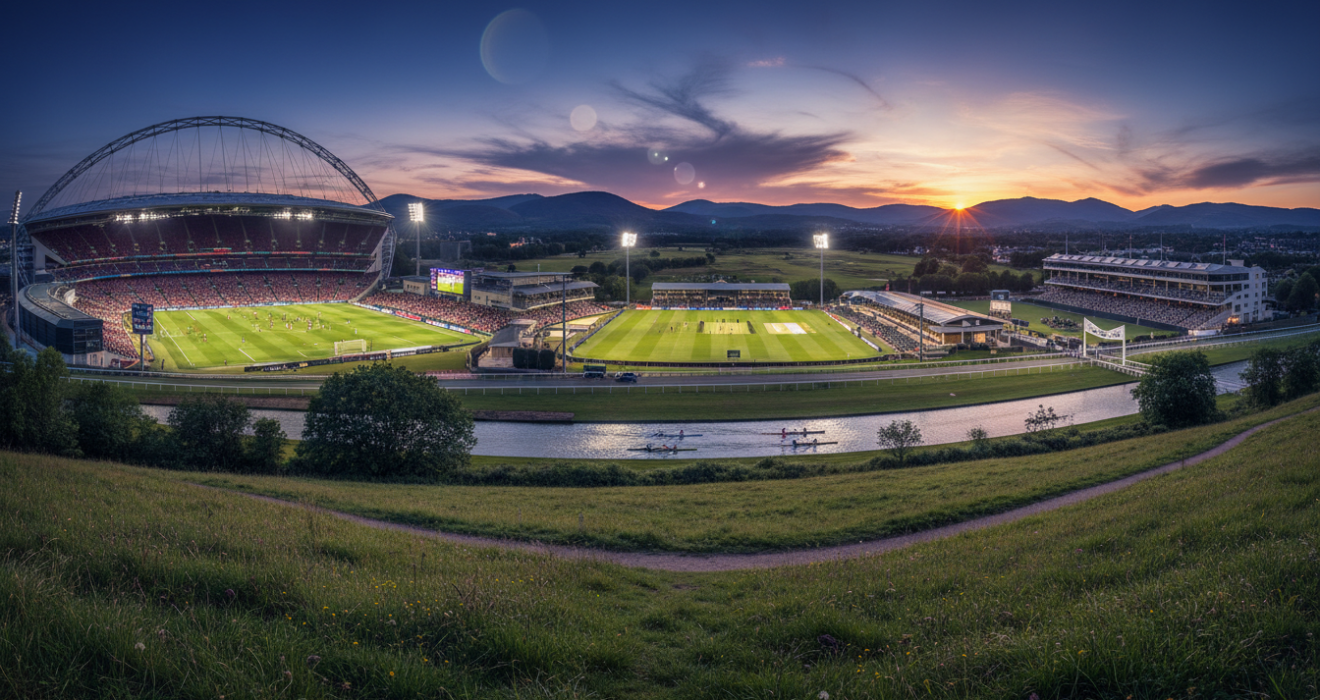
The Ultimate Guide to UK Sporting Events: 2026 Travel & Tickets
The Ultimate Guide to UK Sporting Events: A Cultural Phenomenon
Having spent over two decades traversing the globe to witness the pinnacle of athletic competition, I can assert with absolute confidence that few destinations rival the United Kingdom. UK sporting events are not merely games; they are woven into the very fabric of British society, offering a unique blend of history, passion, and unparalleled atmosphere. Whether it is the polite applause at Wimbledon or the deafening roar of a Premier League stadium, the diversity of experiences available is staggering. Consequently, for any sports enthusiast, a pilgrimage to the British Isles is non-negotiable.
In this comprehensive guide, I will share my personal experiences and professional insights to help you navigate the busy calendar of British sport. Furthermore, we will delve into the logistics of securing tickets, the best times to visit, and the cultural nuances that define these spectacles. From the muddy fields of rugby to the high-octane tarmac of Silverstone, we will explore it all. Moreover, understanding the sheer scale of these events is crucial for planning a successful trip.
Executive Summary of Major UK Sporting Events
To assist you in planning your itinerary, I have compiled an executive summary outlining the key details of the most prestigious competitions. This table serves as a quick reference guide before we dive deeper into the specifics.
| Event Name | Sport | Typical Month | Location | Key Feature |
|---|---|---|---|---|
| Wimbledon | Tennis | July | London | Tradition & Royal Patronage |
| The Grand National | Horse Racing | April | Liverpool | World’s Most Famous Steeplechase |
| British Grand Prix | Formula 1 | July | Silverstone | Speed & Festival Atmosphere |
| The FA Cup Final | Football | May | Wembley | Oldest Football Competition |
| Six Nations | Rugby Union | Feb/Mar | Various (Cardiff/London/Edinburgh) | National Pride & Anthems |
| The Open Championship | Golf | July | Rotates (Coastal Links) | The Original Major |
Football: The Heartbeat of UK Sporting Events
It is impossible to discuss UK sporting events without beginning with football. To the British, football is more than a sport; it is a religion that dictates the weekend rhythm of millions. Consequently, experiencing a match day is essential for understanding local culture.
The Premier League Experience
The English Premier League (EPL) is the most-watched sports league in the world. However, watching on television pales in comparison to the visceral experience of being in the stands. I recall vividly my first time at Anfield; the rendition of “You’ll Never Walk Alone” was so powerful it vibrated through the concrete. Every stadium offers a distinct flavor. For instance, Old Trafford in Manchester offers grandeur and history, whereas newer stadiums like the Tottenham Hotspur Stadium provide cutting-edge technology and comfort.
Furthermore, the logistics of attending these matches require planning. Tickets for top-tier games often sell out to members months in advance. Therefore, I highly recommend purchasing hospitality packages if you are a visitor, as this guarantees a seat and often includes a meal. In addition, lower-league football—the Championship, League One, or League Two—offers a grittier, arguably more authentic look at the grassroots passion that sustains the sport.
The Magic of the FA Cup
Another jewel in the crown of UK sporting events is the FA Cup. As the oldest national football competition in the world, it is famous for “giant killings,” where small teams defeat wealthy giants. The final at Wembley Stadium is a ceremonial masterpiece, complete with military bands and royal attendance. Consequently, securing a ticket here is akin to finding gold dust, usually requiring corporate connections or high-level club memberships.
Tennis Traditions: Wimbledon and the Summer Season
Transitioning from the noise of football, we arrive at the refined elegance of lawn tennis. Wimbledon is arguably the most prestigious tennis tournament globally. Held at the All England Club in London, it is fiercely protective of its traditions. Players must wear all white, and spectators consume tons of strawberries and cream. Moreover, it is one of the few major sporting events where you can still buy premium tickets on the day of play—if you are willing to queue.
I have spent many hours in “The Queue,” and surprisingly, it is a delightful experience. There is a camaraderie among fans camping in Wimbledon Park that is unique to British culture. However, if camping isn’t your style, the public ballot is your best bet, though it opens nearly a year in advance. For detailed information on the ballot system, you should consult the official Wimbledon ticket guide to understand the deadlines and procedures.
Queen’s Club and Eastbourne
While Wimbledon steals the headlines, the lead-up tournaments at Queen’s Club (London) and Eastbourne are magnificent UK sporting events in their own right. They offer a more intimate setting where you can see the world’s best players up close. Furthermore, the ticket prices are generally more accessible, making them an excellent alternative for families.
High-Octane Thrills at UK Motorsport Events
Britain is often referred to as the “Silicon Valley of Formula 1,” with the majority of teams based in England. This heritage culminates annually at the British Grand Prix at Silverstone. Having attended F1 races from Monaco to Singapore, I can attest that the atmosphere at Silverstone is unmatched in terms of pure fan enthusiasm.
The Silverstone Experience
The British Grand Prix is a festival of speed. Over 400,000 fans descend upon Northamptonshire, creating a tent city that parties for four days straight. Moreover, the track layout is historic, featuring iconic corners like Maggotts and Becketts. If you plan to attend, be prepared for unpredictable weather. I have experienced scorching heatwaves and torrential downpours in the same weekend. Consequently, packing versatile clothing is mandatory.
In addition to F1, the UK hosts incredible motorbike racing, such as the MotoGP at Silverstone and the terrifyingly fast Isle of Man TT. The latter is not for the faint of heart, as riders navigate public roads at speeds exceeding 200mph. It is a raw, visceral display of bravery that stands apart from heavily regulated circuit racing.
The Prestige of Horse Racing in the United Kingdom
Horse racing is often called the “Sport of Kings,” and nowhere is this more evident than in the UK. These UK sporting events are as much about high fashion and socialising as they are about the horses. Royal Ascot, held in June, is the pinnacle of the social season.
Royal Ascot and The Grand National
At Royal Ascot, the dress code is strictly enforced, particularly in the Royal Enclosure where top hats and tails for men are mandatory. It is a spectacle of pageantry that dates back to 1711. Conversely, the Grand National at Aintree is the “people’s race.” It is the most famous steeplechase in the world, watched by hundreds of millions globally. The course is brutal, the fences are high, and the betting turnover is astronomical.
Furthermore, the Cheltenham Festival in March is the mecca for jump racing enthusiasts. The “Cheltenham Roar”—the noise the crowd makes at the start of the first race—is legendary. If you enjoy a flutter and a pint of Guinness, this is the event for you. For those interested in the broader lifestyle associated with these elite gatherings, including fitness and wellness tips for the avid traveler, I recommend exploring the Bliss Lifes Sport category for excellent advice.
Cricket: A Quintessential British Pastime
To the uninitiated, cricket can seem baffling. However, once understood, it reveals itself as a game of deep strategy and psychological tension. International Test matches, particularly The Ashes series against Australia, are premier UK sporting events. A Test match lasts up to five days, a concept that often confuses visitors, yet it allows for a narrative arc unlike any other sport.
Lord’s: The Home of Cricket
Watching a match at Lord’s Cricket Ground in London is a bucket-list item. The architecture, the slope of the pitch, and the long room are steeped in history. In addition to the traditional long format, the UK has embraced ‘The Hundred’ and T20 Blast, which are shorter, faster versions of the game designed for family entertainment. These matches usually conclude in three hours and feature fireworks, music, and a party atmosphere.
Rugby Union and the Six Nations Atmosphere
Rugby holds a special place in the hearts of the British nations. The Six Nations Championship, played annually between England, Scotland, Wales, Ireland, France, and Italy, creates a festival of rivalry. Moreover, the stadium atmospheres are markedly different from football; fans generally sit together regardless of allegiance, and there is a respectful silence for goal kickers.
Cardiff’s Principality Stadium is often cited as having the best atmosphere in the world due to its retractable roof which traps the noise of the singing Welsh fans. Similarly, Twickenham in London and Murrayfield in Edinburgh are cathedrals of the sport. Consequently, tickets for these matches are incredibly scarce and are mostly distributed through local rugby clubs.
Golf: The Open Championship
Golf in the UK returns the sport to its origins. The Open Championship (often referred to simply as “The Open”) is the oldest of the four major championships in professional golf. Unlike the manicured parkland courses of the US Masters, The Open is played on coastal “links” courses where wind, rain, and undulating terrain provide the primary defense.
Venues rotate annually, including St Andrews (the Home of Golf), Royal Liverpool, and Royal Troon. Walking the fairways at St Andrews is a spiritual experience for golfers. In addition, the hospitality at The Open is world-class, offering a chance to watch history unfold in comfort. For historical context on why these links courses are so unique, VisitScotland’s golf history section provides an fascinating deep dive.
The Economic Impact of UK Sporting Events
It is important to acknowledge the massive economic footprint of these gatherings. Major UK sporting events drive billions of pounds into the economy through tourism, hospitality, and infrastructure. For example, the 2012 London Olympics rejuvenated East London, leaving a legacy of stadiums and housing. Similarly, a single Premier League weekend sees thousands of international visitors filling hotels and restaurants.
Furthermore, this economic engine supports grassroots initiatives. Money generated at the elite level often filters down to community clubs, ensuring the next generation of athletes has facilities to train. Therefore, by attending these events, you are indirectly supporting the ecosystem of British sport.
Planning Your Itinerary for UK Sporting Events
Successfully attending these events requires logistical precision. The UK transport network is extensive but can be prone to delays. Here are several strategic tips for planning your trip.
Accommodation and Travel
Hotels in host cities hike their prices significantly during major events. Therefore, booking 6 to 12 months in advance is advisable. For events like Silverstone or Glastonbury (though a music festival, it shares similar logistics), camping is a popular and often necessary option. In addition, utilizing the UK’s rail network is generally faster than driving, especially for getting into central London or Manchester. However, always check for engineering works on weekends.
The Ticket Ecosystem
Beware of ticket touts (scalpers). The UK has strict laws regarding the resale of football tickets. Consequently, buying from unauthorized secondary sites can lead to your ticket being cancelled. Stick to official club websites or authorized hospitality partners. For events like Wimbledon, the ballot is the fairest way, but hospitality packages remain the safest guarantee.
Other Notable Events
Beyond the major team sports, the UK hosts a plethora of other world-class competitions:
- The London Marathon: An incredible display of human endurance and charity fundraising held every April. The street support is phenomenal.
- Snooker World Championship: Held at the Crucible Theatre in Sheffield, this is a test of extreme mental focus.
- University Boat Race: The historic rowing race between Oxford and Cambridge on the River Thames.
- Cowes Week: One of the longest-running sailing regattas in the world.
For those interested in the broader impact of major events on local tourism, the BBC Sport website frequently publishes analysis on attendance records and economic benefits.
FAQs About UK Sporting Events
What is the hardest UK sporting event to get tickets for?
Generally, the FA Cup Final and Centre Court at Wimbledon are the most difficult. Premier League matches involving the “Big Six” (Man City, Liverpool, Arsenal, Man Utd, Chelsea, Tottenham) are also extremely difficult without a membership.
Can I drink alcohol at UK sporting events?
It depends on the sport. In football, you cannot consume alcohol within sight of the pitch; it must be consumed in the concourse. However, in rugby, cricket, and darts, drinking in your seat is permitted and is often a large part of the culture.
What is the dress code for horse racing?
It varies by enclosure. Royal Ascot requires morning suits for men and hats for women in the Royal Enclosure. However, general admission areas are usually “smart casual.” Always check the specific event website.
Are UK sporting events family-friendly?
Yes, significantly more so than in the past. Most Premier League clubs have dedicated family sections. The Hundred cricket tournament is specifically designed for families. However, evening football matches can sometimes have a rowdier atmosphere.
When is the best time to visit for sports?
May to July is the “Golden Summer” of British sport, featuring the end of the football season, the FA Cup, Wimbledon, The Open, and the British Grand Prix. However, if you want rugby or regular season football, visit between September and April.
Conclusion
Attending UK sporting events offers a window into the soul of the nation. From the communal singing on the terraces to the respectful silence on the greens, these experiences create memories that last a lifetime. The United Kingdom may be a small island nation, but its contribution to the global sporting landscape is colossal.
Whether you are sipping Pimm’s at Wimbledon, cheering a try at Twickenham, or holding your breath as F1 cars scream past at Silverstone, you are participating in history. The passion is contagious, the heritage is palpable, and the welcome is warm. Therefore, I urge you to start planning your sporting pilgrimage today. The atmosphere is waiting for you.