
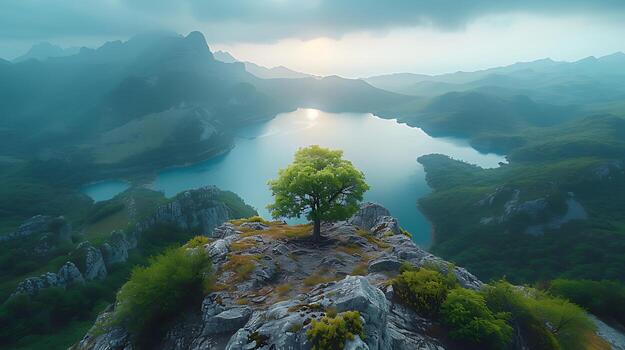
Nature Photography: Capturing the Beauty of the Natural World
Nature Photography: Capturing the Beauty of the Natural World
Nature photography is one of the most beautiful and inspiring forms of photography. It allows photographers to capture the stunning landscapes, wildlife, plants, and natural scenes that exist all around us. Through nature photography, people can appreciate the beauty of the natural world and understand the importance of protecting the environment.
In today’s fast-paced digital world, many people are rediscovering their connection with nature. Spending time outdoors and practicing nature photography not only improves creativity but also helps individuals relax and enjoy the peaceful environment. Whether it is a breathtaking mountain landscape, a colorful sunset, a forest full of life, or a close-up shot of a flower, nature offers endless opportunities for photography.
The goal of nature photography is not only to capture images but also to tell a story about the environment. Photographers try to highlight the beauty, diversity, and importance of nature through their photographs. These images inspire people to explore the outdoors and respect the natural world.
In this article, we will explore the art of nature photography, discuss useful tips and techniques, explain the equipment used, and understand why capturing the beauty of nature is so important.
What is Nature Photography?
Nature photography refers to the practice of photographing natural elements such as landscapes, wildlife, plants, rivers, oceans, mountains, and forests. It focuses on showing the beauty and authenticity of the natural world without artificial changes.
Unlike other types of photography, nature photography often requires patience and careful observation. Photographers must wait for the right moment to capture the perfect shot. Lighting, weather conditions, and the behavior of animals can greatly affect the final image.
There are several types of nature photography, including:
Landscape photography
Wildlife photography
Macro photography (close-up photos of plants and insects)
Underwater photography
Astrophotography (capturing the night sky)
Each type of nature photography offers a unique way to explore and document the natural environment.
Importance of Nature Photography
Nature photography plays an important role in raising awareness about the environment. Many people learn about wildlife, forests, oceans, and ecosystems through photographs.
Some key reasons why nature photography is important include:
1. Promoting Environmental Awareness
Nature photographs show the beauty and fragility of the planet. When people see these images, they often become more aware of environmental issues such as pollution, climate change, and deforestation.
2. Inspiring Conservation
Many conservation organizations use nature photography to highlight endangered species and threatened habitats. Powerful images can inspire people to support environmental protection efforts.
3. Connecting People with Nature
Nature photography allows people to experience places they may never visit in person. A photograph of a remote mountain, deep forest, or exotic animal can create a strong emotional connection.
4. Preserving Natural Beauty
Through nature photography, photographers document the beauty of landscapes and wildlife for future generations. These images become valuable records of the natural world.
Essential Equipment for Nature Photography
While talent and creativity are important, having the right equipment can improve the quality of nature photography.
Camera
A good digital camera is essential. Many photographers use DSLR or mirrorless cameras because they offer high image quality and manual controls.
Lenses
Different lenses are used for different types of nature photography.
Wide-angle lenses are great for landscapes.
Telephoto lenses are ideal for wildlife photography.
Macro lenses are used for close-up shots of flowers and insects.
Tripod
A tripod helps stabilize the camera and prevents blurry photos. It is especially useful in low-light conditions or when capturing long exposures.
Filters
Camera filters, such as polarizing filters, help enhance colors and reduce reflections when photographing water or skies.
Protective Gear
Nature photographers often work in challenging environments. Waterproof bags, lens covers, and weather protection are helpful when shooting outdoors.
Best Techniques for Nature Photography
Capturing stunning nature photographs requires skill and practice. Here are some important techniques used in nature photography.
1. Use Natural Lighting
Lighting is one of the most important elements of photography. The best time for nature photography is usually during the golden hours—shortly after sunrise and before sunset. During these times, the sunlight is soft and warm, creating beautiful colors and shadows.
2. Focus on Composition
Composition refers to how elements are arranged within the photograph. A popular technique is the rule of thirds, where the subject is placed slightly off-center to create a balanced and visually appealing image.
3. Be Patient
Nature does not always cooperate with photographers. Animals may move quickly, clouds may block the sun, or weather conditions may change suddenly. Patience is essential for successful nature photography.
4. Capture Unique Perspectives
Instead of taking photos from eye level, photographers often experiment with different angles. Shooting from a low angle or a higher viewpoint can create more interesting images.
5. Pay Attention to Details
Nature photography is not only about large landscapes. Small details such as dew drops, insects, leaves, and textures can create beautiful and artistic photographs.
Popular Subjects in Nature Photography
Nature photography includes a wide range of subjects. Some of the most popular subjects include:
Landscapes
Landscape photography captures mountains, valleys, forests, deserts, rivers, and oceans. These images highlight the vast beauty of the natural world.
Wildlife
Wildlife photography focuses on animals in their natural habitat. Capturing birds in flight or animals in action requires quick reflexes and a telephoto lens.
Plants and Flowers
Flowers, trees, and plants provide colorful and detailed subjects for nature photography. Macro photography is often used to capture their intricate patterns.
Water and Weather
Waterfalls, lakes, oceans, and rainstorms create dramatic and dynamic images. Weather conditions such as fog, snow, and storms can add mood and atmosphere to photographs.
Tips for Beginner Nature Photographers
If you are new to nature photography, these tips can help you get started:
Spend more time outdoors observing nature.
Practice taking photos regularly.
Learn basic camera settings such as ISO, aperture, and shutter speed.
Study the work of experienced nature photographers.
Experiment with different angles and lighting conditions.
Remember that great photography takes time and patience. The more you practice, the better your skills will become.
Challenges in Nature Photography
Although nature photography is rewarding, it also presents several challenges.
Weather Conditions
Rain, wind, or extreme temperatures can make photography difficult.
Wildlife Movement
Animals rarely stay still, making it challenging to capture clear images.
Lighting Changes
Outdoor lighting changes quickly, requiring photographers to adjust their camera settings frequently.
Remote Locations
Many beautiful nature photography locations are far from cities and require travel and preparation.
Despite these challenges, the rewards of capturing breathtaking natural scenes make the effort worthwhile.
The Future of Nature Photography
With advancements in technology, nature photography is becoming more accessible than ever. Modern cameras, drones, and editing software allow photographers to capture stunning images of the natural world.
Social media platforms also help photographers share their work with a global audience. As a result, nature photography is inspiring more people to explore and protect the environment.
In the future, nature photography will continue to play an important role in environmental storytelling and conservation efforts.
Frequently Asked Questions (FAQs)
1. What is nature photography?
Nature photography is the art of capturing images of landscapes, wildlife, plants, and other natural elements in the environment.
2. What equipment is best for nature photography?
A DSLR or mirrorless camera, wide-angle and telephoto lenses, and a tripod are commonly used for nature photography.
3. What is the best time for nature photography?
The best time is during sunrise or sunset when natural lighting is soft and warm.
4. Can beginners do nature photography?
Yes, beginners can easily start nature photography by practicing outdoors and learning basic photography techniques.
5. Why is nature photography important?
Nature photography raises environmental awareness and inspires people to appreciate and protect the natural world.
Conclusion
Nature photography is more than just taking pictures—it is a way to celebrate and protect the beauty of the natural world. By capturing landscapes, wildlife, plants, and natural moments, photographers help people understand the value of nature.
Through nature photography, viewers can experience breathtaking scenes, connect with the environment, and develop a deeper appreciation for the planet. These images not only inspire creativity but also encourage conservation and environmental responsibility. for further information to read blogs.