
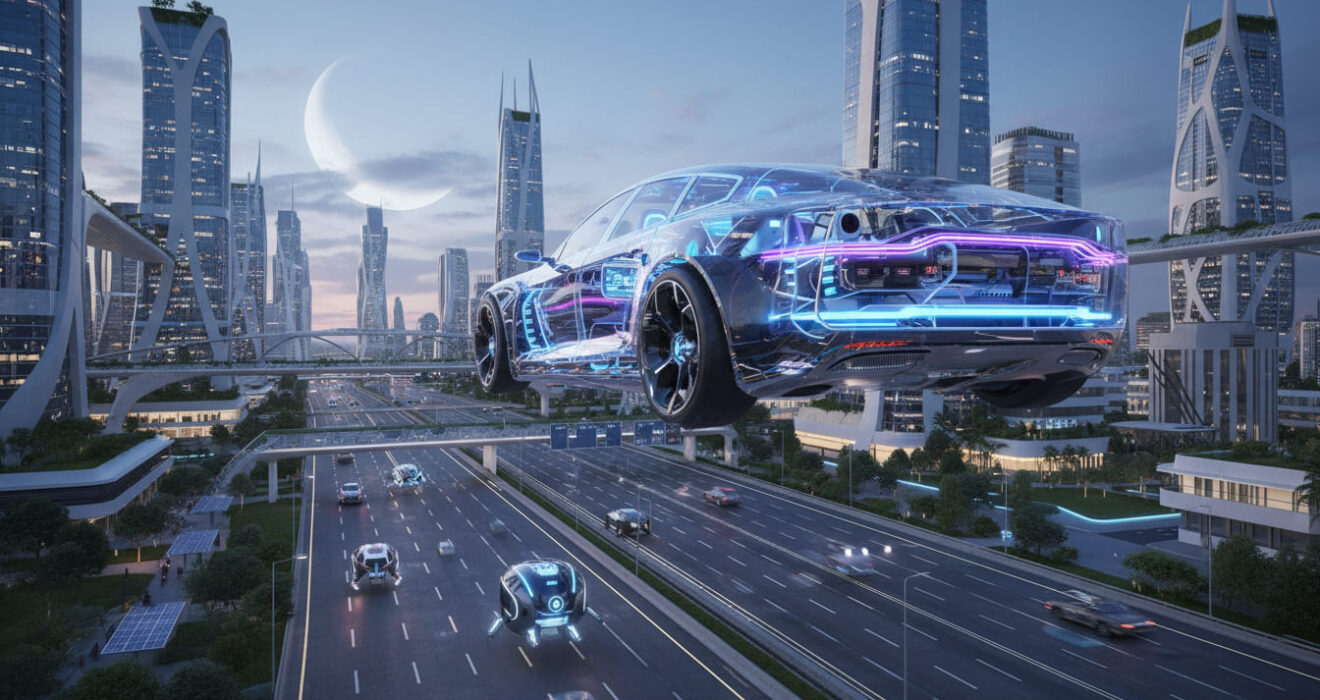
The Future of Cars: What’s Next in Automotive Technology
The Future of Cars: What’s Next in Automotive Technology
The automotive industry is undergoing a transformative era, and the future of cars promises to redefine transportation as we know it. Advancements in technology, sustainability, and connectivity are driving innovations that go far beyond traditional vehicles. From electric vehicles (EVs) to autonomous driving, the cars of tomorrow are smarter, safer, and more efficient than ever before.
By 2026 and beyond, consumers can expect cars to become extensions of personal technology, offering seamless integration with daily life. Companies like Tesla, BMW, and Toyota are leading this transformation, showcasing futuristic models that combine AI, green technology, and advanced mobility solutions. This guide explores the emerging technologies, trends, and future car innovations shaping the automotive landscape.
Electric Vehicles (EVs): The Core of Future Cars
Rise of Electric Cars
Electric vehicles have transitioned from niche to mainstream. EVs are expected to dominate global car sales as battery technology improves and charging infrastructure expands.
Key Advancements:
- Longer battery life and faster charging
- Reduced carbon emissions for sustainable mobility
- Smart energy management and vehicle-to-grid technology
Brands like Tesla, Nissan, and Rivian are pioneering these innovations.
EVs are not just environmentally friendly; they also offer smoother rides, lower maintenance costs, and software-driven improvements that make them increasingly attractive to consumers.
Autonomous Driving: Cars That Drive Themselves
Self-driving technology is a hallmark of future automotive innovation. Autonomous vehicles (AVs) use AI, sensors, and real-time data to navigate without human intervention.
Benefits of Autonomous Cars:
- Increased road safety by reducing human error
- Optimized traffic flow and fuel efficiency
- Enhanced mobility for elderly and disabled individuals
Companies like Waymo and Cruise are developing fully autonomous vehicles that could transform urban transportation.
Connected and Smart Cars
Smart cars are increasingly connected to the internet, enabling new functionalities such as predictive maintenance, real-time navigation, and vehicle-to-vehicle communication.
Innovations in Smart Cars:
- IoT integration for real-time updates
- Remote diagnostics and software updates
- Advanced infotainment systems with AI assistants
The integration of connectivity transforms cars into platforms for personal productivity, entertainment, and safety, creating a seamless digital ecosystem for drivers and passengers.
Artificial Intelligence in Automotive Technology
AI plays a critical role in shaping the future of cars, from self-driving capabilities to intelligent traffic management.
AI Applications:
- Autonomous decision-making for driving
- Voice-controlled assistants for in-car tasks
- Personalized driving experiences and safety alerts
AI ensures cars adapt to the needs of the driver, predict potential hazards, and provide an interactive and efficient driving environment.
Hydrogen and Alternative Fuel Vehicles
While electric vehicles dominate, alternative fuels like hydrogen are gaining attention. Hydrogen fuel cells offer fast refueling times and extended ranges, making them suitable for long-distance and commercial vehicles.
Advantages of Hydrogen Cars:
- Zero emissions
- Quick refueling compared to battery charging
- Increased range for commercial fleets
Companies such as Toyota and Hyundai are investing heavily in hydrogen fuel cell technology, signaling a diverse future for automotive propulsion systems.
Vehicle Design and Aerodynamics
Future car designs are increasingly focused on efficiency and sustainability. Advanced materials, lightweight structures, and aerodynamic shapes reduce energy consumption while improving performance.
Key Trends:
- Use of carbon fiber and aluminum for lightweight frames
- Sleek, aerodynamic designs for efficiency
- Modular interiors for customizable experiences
Design is not only about aesthetics; it directly impacts energy efficiency, comfort, and usability.
Mobility as a Service (MaaS)
Cars are no longer just personal possessions—they are part of broader mobility solutions. Mobility as a Service integrates ride-sharing, autonomous taxis, and subscription models.
Benefits of MaaS:
- Reduced urban congestion
- Cost-effective transportation
- Integration with public transit
This shift reflects a future where car ownership may decrease, replaced by flexible access to transportation on demand.
Sustainable and Eco-Friendly Manufacturing
The future of cars extends to eco-conscious production. Automakers are adopting sustainable practices to minimize environmental impact.
Sustainable Innovations:
- Use of recycled materials in car manufacturing
- Energy-efficient production processes
- Reduced lifecycle emissions
Sustainability is becoming a major factor in automotive purchasing decisions, especially among environmentally conscious consumers.
Advanced Safety Features
Safety remains a cornerstone of future car technology. Advanced driver-assistance systems (ADAS) are becoming standard.
Key Safety Technologies:
- Collision avoidance systems
- Lane-keeping assist and adaptive cruise control
- 360-degree cameras and blind-spot monitoring
Future cars aim to make accidents a rarity, combining AI, sensors, and predictive analytics to protect drivers and passengers.
Car Entertainment and Infotainment
Modern cars are transforming into mobile entertainment hubs. Future vehicles will offer seamless integration of streaming services, gaming, and virtual assistants.
Innovations in Infotainment:
- Large touchscreen interfaces and voice control
- AR dashboards displaying real-time navigation
- Integrated apps for music, productivity, and gaming
Cars are becoming spaces for work, entertainment, and connectivity on the go.
Frequently Asked Questions (FAQs)
1. What is the future of car technology?
The future includes electric vehicles, autonomous driving, AI integration, and sustainable, connected cars.
2. When will self-driving cars be mainstream?
By the late 2020s, semi-autonomous vehicles will be widely available, with full autonomy emerging gradually.
3. Are electric cars better than traditional cars?
EVs offer lower emissions, reduced maintenance, and smoother driving, making them increasingly superior to traditional vehicles.
4. What role does AI play in future cars?
AI powers autonomous driving, predictive maintenance, smart safety systems, and personalized infotainment experiences.
5. How are cars becoming more sustainable?
Through EVs, hydrogen fuel cells, recycled materials, and eco-friendly production practices.
Conclusion
The future of cars is being shaped by a convergence of technologies: electric powertrains, autonomous driving, AI, connected systems, and sustainable manufacturing. These innovations promise safer, cleaner, and more intelligent vehicles that redefine personal mobility.
From self-driving EVs to smart, connected cars, the next generation of vehicles will not only transport people but also integrate into daily life, entertainment, and urban mobility solutions. Companies like Tesla, BMW, and Toyota are paving the way for this automotive revolution.
In 2026 and beyond, cars will become smarter, cleaner, and more accessible, creating a future where transportation is safer, more sustainable, and seamlessly connected. The future of cars is here, and it is poised to change the way we drive forever. for further information to read blogs.