
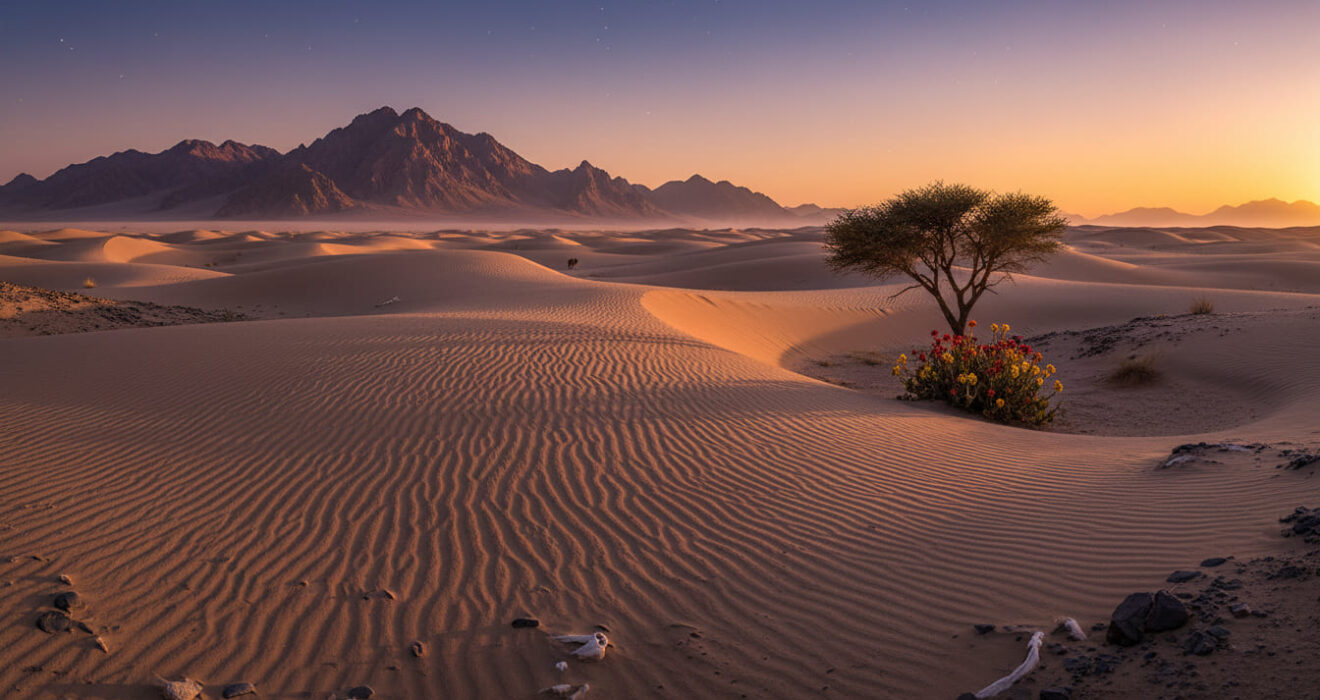
Deserts: Nature’s Harsh Beauty
Deserts: Nature’s Harsh Beauty
Deserts are some of the most fascinating yet extreme ecosystems on Earth. Characterized by arid conditions, extreme temperatures, and unique landscapes, deserts represent nature’s harsh beauty. While often seen as barren wastelands, deserts are home to diverse flora and fauna specially adapted to survive in these challenging environments. They also play a crucial role in the Earth’s climate system and biodiversity.
This article explores deserts, their formation, climate, wildlife, vegetation, human interaction, and environmental significance. Key phrases such as desert ecosystem, arid climate, desert wildlife, desert vegetation, survival adaptations, and desert conservation are balanced throughout to provide clarity and depth.
Understanding Deserts
A desert is a region that receives less than 250 millimeters (10 inches) of rainfall per year. Despite their reputation as empty landscapes, deserts are highly dynamic ecosystems. They can be classified into several types based on their characteristics:
- Hot and Dry Deserts – Characterized by extreme heat during the day and cold nights. Examples include the Sahara and Arabian deserts.
- Cold Deserts – Found in polar regions or high altitudes with low precipitation, such as the Gobi and Antarctic deserts.
- Coastal Deserts – Located near coasts, they experience moderate temperatures but limited rainfall. Examples include the Atacama Desert.
- Semi-Arid Deserts – These deserts receive slightly more rainfall, allowing more vegetation.
Formation of Deserts
Deserts are formed through a combination of climatic and geographic factors:
- Rain Shadow Effect: Mountains block the passage of rain clouds, creating dry areas.
- High Pressure Zones: Atmospheric high-pressure belts reduce rainfall, forming arid regions.
- Cold Ocean Currents: Some coastal deserts form due to cold ocean currents that limit moisture in the air.
These formations explain why deserts exist in different climates and across continents.
Climate of Deserts
The climate of deserts is extreme and varies between day and night.
- Temperature Extremes: Daytime temperatures can exceed 50°C (122°F), while nights may drop below freezing.
- Low Humidity: Arid conditions make moisture scarce, affecting plants, animals, and humans.
- Wind and Sandstorms: Strong winds shape dunes and create sandstorms, influencing the landscape.
Understanding desert climate helps explain the survival strategies of species that inhabit these regions.
Desert Landscapes
Deserts are not just sandy expanses; they contain diverse landforms:
- Sand Dunes: Shifting mounds of sand formed by wind.
- Rocky Plateaus: Hard, elevated areas that resist erosion.
- Salt Flats: Areas of evaporated water, leaving mineral-rich crusts.
- Oases: Fertile spots with water that sustain life in the desert.
These landscapes make deserts visually striking and ecologically important.
Desert Flora
Desert vegetation has evolved to survive harsh conditions. Key adaptations include water storage, deep roots, and minimal leaf surfaces. Examples of desert plants:
- Cacti: Store water in thick stems and spines prevent water loss.
- Acacia Trees: Deep roots reach underground water sources.
- Succulents: Retain water in leaves and stems.
- Desert Grasses: Can survive with minimal water and poor soil.
Plants play a crucial role in stabilizing sand dunes and providing food and shelter for wildlife.
Desert Wildlife
Animals in deserts have remarkable adaptations to cope with heat and limited water:
- Mammals: Fennec foxes and camels conserve water and are nocturnal to avoid daytime heat.
- Reptiles: Lizards and snakes regulate body temperature and hide during the day.
- Birds: Desert birds, like the sandgrouse, travel long distances to find water.
- Insects: Beetles and ants have specialized body structures to collect and store moisture.
Desert wildlife showcases evolution’s ingenuity in survival.
Human Interaction with Deserts
Humans have inhabited and explored deserts for centuries:
- Nomadic Tribes: Adapted to survive by moving with resources and using animals like camels.
- Modern Development: Mining, tourism, and renewable energy projects utilize desert resources.
- Cultural Significance: Deserts feature in mythology, literature, and art, symbolizing endurance and mystery.
Sustainable use of deserts is essential to protect fragile ecosystems while supporting human needs.
Environmental Significance of Deserts
Deserts play an important ecological and climatic role:
- Carbon Storage: Desert plants and soils help store carbon, mitigating climate change.
- Biodiversity Hotspots: Unique species exist only in desert ecosystems.
- Climate Regulation: Deserts influence atmospheric circulation and weather patterns.
- Renewable Energy Potential: High solar exposure makes deserts ideal for solar power farms.
Understanding these functions highlights the importance of desert conservation.
Challenges Facing Deserts
Despite their resilience, deserts face significant challenges:
- Desertification: Expansion of deserts due to deforestation, overgrazing, and climate change.
- Water Scarcity: Limited freshwater sources threaten ecosystems and human settlements.
- Loss of Biodiversity: Habitat destruction and poaching impact plant and animal species.
- Climate Change: Rising temperatures and changing precipitation patterns intensify desert conditions.
Mitigation strategies include sustainable agriculture, reforestation, water management, and protected reserves.
Conservation Efforts
Conservation in deserts focuses on preserving ecosystems and supporting sustainable human use:
- Establishing protected areas and national parks.
- Promoting eco-tourism to generate awareness and income.
- Implementing water management techniques like rainwater harvesting.
- Encouraging research and education on desert ecology.
Global cooperation is essential to maintain desert biodiversity and natural beauty.
Frequently Asked Questions (FAQs)
1. What defines a desert?
A desert is a region that receives less than 250 mm of rainfall annually and has arid conditions.
2. Are all deserts hot?
No. Some deserts, like Antarctica and Gobi, are cold but still classified as deserts due to low precipitation.
3. What plants grow in deserts?
Cacti, succulents, acacia trees, and desert grasses are common desert plants.
4. How do animals survive in deserts?
Animals adapt through nocturnal activity, water storage, burrowing, and heat regulation.
5. Why are deserts important?
Deserts store carbon, regulate climate, support unique biodiversity, and provide renewable energy opportunities.
Conclusion
Deserts are living examples of nature’s harsh beauty, showcasing resilience, adaptation, and ecological significance. Their extreme climates, unique landscapes, and diverse wildlife demonstrate the power of evolution and environmental balance. While deserts face threats like desertification and climate change, conservation efforts and sustainable practices can ensure their survival.
From the shifting sand dunes of the Sahara to the frozen expanses of Antarctica, deserts remind us of the delicate balance of life and the need to respect and protect our planet’s most extreme environments. for further information to read blogs.