
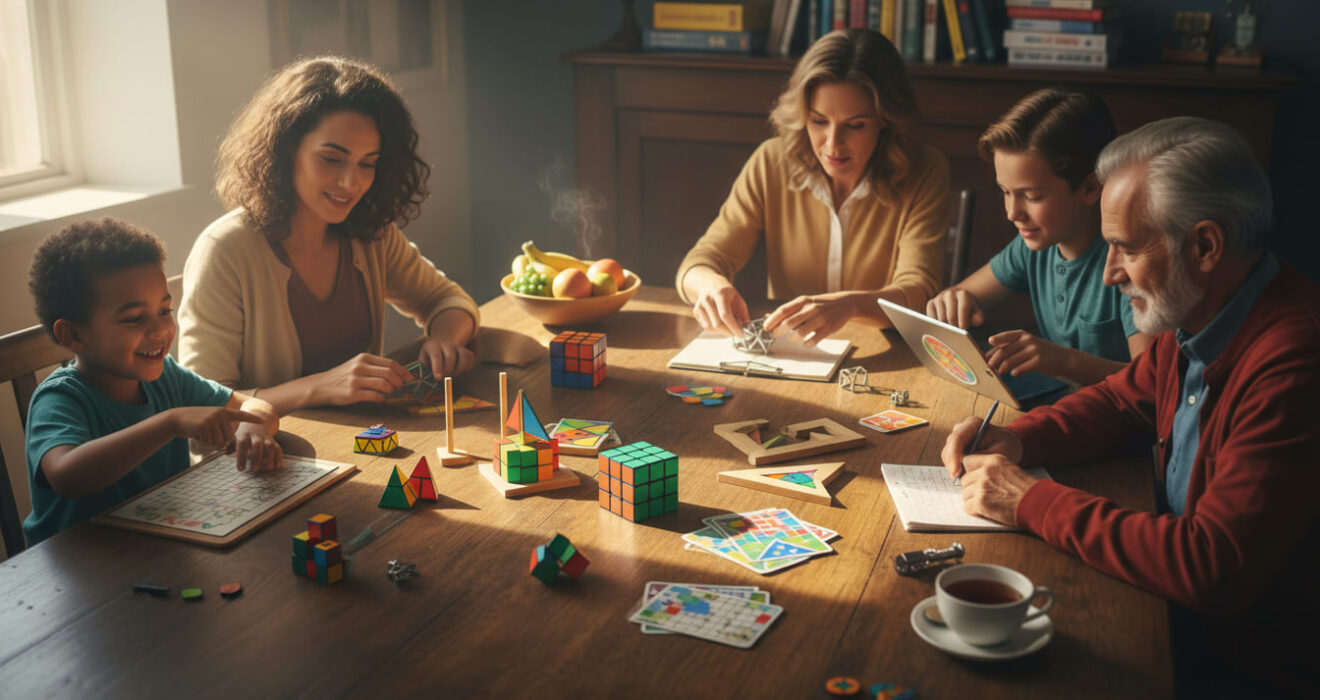
Best Puzzle Games for All Ages Train Your Brain
Best Puzzle Games for All Ages: Train Your Brain
Puzzle games have been around for decades, captivating players of all ages with their mix of logic, creativity, and problem-solving challenges. From traditional crosswords and jigsaw puzzles to modern online puzzle games, these interactive experiences are more than just fun—they are a fantastic way to train your brain, improve cognitive skills, and keep your mind sharp.
Whether you are a child, teenager, adult, or senior, puzzle games for all ages offer something valuable. They improve memory, enhance concentration, and promote critical thinking. The rise of digital gaming platforms has made it easier than ever to access fun and challenging brain games anytime, anywhere.
In this comprehensive guide, we will explore the benefits of puzzle games, the types you can play online, tips for choosing the best games, and even frequently asked questions to help you make informed decisions about your brain training journey.
Why Puzzle Games Are Great for All Ages
Puzzle games are not just for kids—they have immense benefits for adults and seniors as well. Playing these games regularly can:
1. Improve Cognitive Function
Brain games stimulate different parts of the brain, enhancing memory, attention, and problem-solving skills. Studies show that adults who regularly engage in puzzle games online can reduce the risk of cognitive decline.
2. Boost Memory and Concentration
Games that challenge the mind help players improve memory retention and focus. Fun and challenging puzzles like Sudoku or logic games require attention to detail, keeping your brain active.
3. Reduce Stress
Puzzle games are not only mentally stimulating but also relaxing. Focusing on a puzzle can help reduce stress and provide a sense of accomplishment.
4. Encourage Social Interaction
Many online puzzle games include multiplayer modes or community challenges, making it easy to connect and compete with others.
5. Teach Problem-Solving
Brain games encourage players to think creatively, analyze situations, and develop strategies—skills useful in everyday life.
Types of Puzzle Games
There is a wide variety of puzzle games available for all ages. Some of the most popular types include:
1. Logic Puzzles
These require reasoning and deduction. Examples include:
- Sudoku
- Nonograms
- Logic grids
2. Word Puzzles
Great for enhancing vocabulary and language skills. Examples:
- Crosswords
- Word searches
- Anagrams
3. Jigsaw Puzzles
Perfect for visual-spatial reasoning. Players assemble pieces to form a complete picture.
4. Number Puzzles
Challenge your mathematical skills. Examples:
- Math riddles
- Kakuro
- Number sequence puzzles
5. Matching and Pattern Games
These fun and challenging puzzles involve identifying patterns, colors, or shapes:
- Match-3 games
- Tile sliding puzzles
- Color pattern games
6. Escape and Adventure Puzzle Games
Interactive online puzzle games that combine storytelling with problem-solving:
- Virtual escape rooms
- Adventure mystery games
- Hidden object games
Benefits of Playing Puzzle Games Online
The digital era has transformed traditional puzzles into online puzzle games, making them accessible anywhere. The benefits of online puzzle games include:
1. Accessibility
Play anytime on your phone, tablet, or computer.
2. Variety
Access hundreds of puzzle games with different difficulty levels and themes.
3. Progress Tracking
Many online platforms allow you to track your brain games progress over time.
4. Interactive Features
Online puzzle games often include hints, multiplayer modes, and daily challenges.
5. Motivation
Regular challenges encourage continuous brain training, making it easy to stay consistent.
How Puzzle Games Train Your Brain
Playing puzzle games regularly activates various mental processes:
- Memory Retention – Remembering patterns, sequences, and rules enhances memory.
- Problem-Solving Skills – Analyzing situations and testing solutions strengthens critical thinking.
- Concentration – Focusing on the game helps improve attention span.
- Creativity – Many puzzles require imaginative solutions, boosting creativity.
- Logical Thinking – Strategy-based games develop reasoning abilities.
Even 15–30 minutes of brain games daily can make a noticeable difference in cognitive function over time.
Puzzle Games for Different Age Groups
Children
- Focus on fun and educational puzzle games.
- Improve critical thinking, memory, and coordination.
- Recommended games: jigsaw puzzles, word searches, logic games.
Teenagers
- Engage in more challenging brain games.
- Enhance problem-solving and multitasking skills.
- Recommended games: Sudoku, escape rooms, adventure puzzles.
Adults
- Balance relaxation with cognitive stimulation.
- Focus on strategy and memory-enhancing online puzzle games.
- Recommended games: crosswords, pattern puzzles, strategy puzzles.
Seniors
- Maintain mental agility and prevent cognitive decline.
- Low-stress puzzle games with moderate difficulty.
- Recommended games: jigsaw puzzles, memory games, logic puzzles.
Top Puzzle Games to Try Online
Here are some popular online puzzle games that are both fun and challenging:
- Sudoku – Classic number puzzle for logical thinking.
- Crossword Puzzles – Expand your vocabulary while training your brain.
- Jigsaw Puzzle Apps – Reassemble images and improve visual-spatial skills.
- Match-3 Games – Identify patterns and sequences for fun brain training.
- Escape Room Games – Solve mysteries using logic and observation.
- Trivia and Quiz Games – Test knowledge while improving memory.
Tips to Maximize Brain Benefits
- Play puzzle games regularly, even for short periods.
- Mix different types of brain games to challenge multiple skills.
- Track your progress and set achievable goals.
- Play with friends or family for social engagement.
- Avoid frustration—take breaks and enjoy the challenge.
FAQs About Puzzle Games
1. Are puzzle games good for all ages?
Yes! Puzzle games for all ages improve memory, concentration, and problem-solving skills for children, adults, and seniors.
2. How do online puzzle games train your brain?
They stimulate memory, logic, attention, and creativity, making them effective brain games.
3. Can puzzle games reduce stress?
Absolutely. Focusing on puzzles provides relaxation and a sense of accomplishment.
4. How often should I play puzzle games?
Even 15–30 minutes daily of fun and challenging puzzle games can improve cognitive function.
5. Are free online puzzle games effective?
Yes, free online puzzle games offer a variety of challenges that stimulate your mind and keep you engaged.
6. Which puzzle games are best for children?
Jigsaw puzzles, memory games, and word puzzles are excellent for younger players.
Conclusion
Puzzle games are an enjoyable and effective way to train your brain, improve memory, and enhance problem-solving skills. With options ranging from traditional jigsaws to modern online puzzle games, there is something for every age group and skill level.
Playing fun and challenging brain games not only entertains but also strengthens your mental abilities, improves concentration, and fosters creativity. By incorporating puzzle games into your daily routine, you can keep your mind active and healthy, all while enjoying hours of stimulating entertainment.
Whether you are a beginner or an avid puzzle enthusiast, exploring puzzle games online is a fantastic way to combine fun with brain training. Start today, challenge yourself, and experience the benefits of mental exercise through puzzle games. for further information to read blogs.