
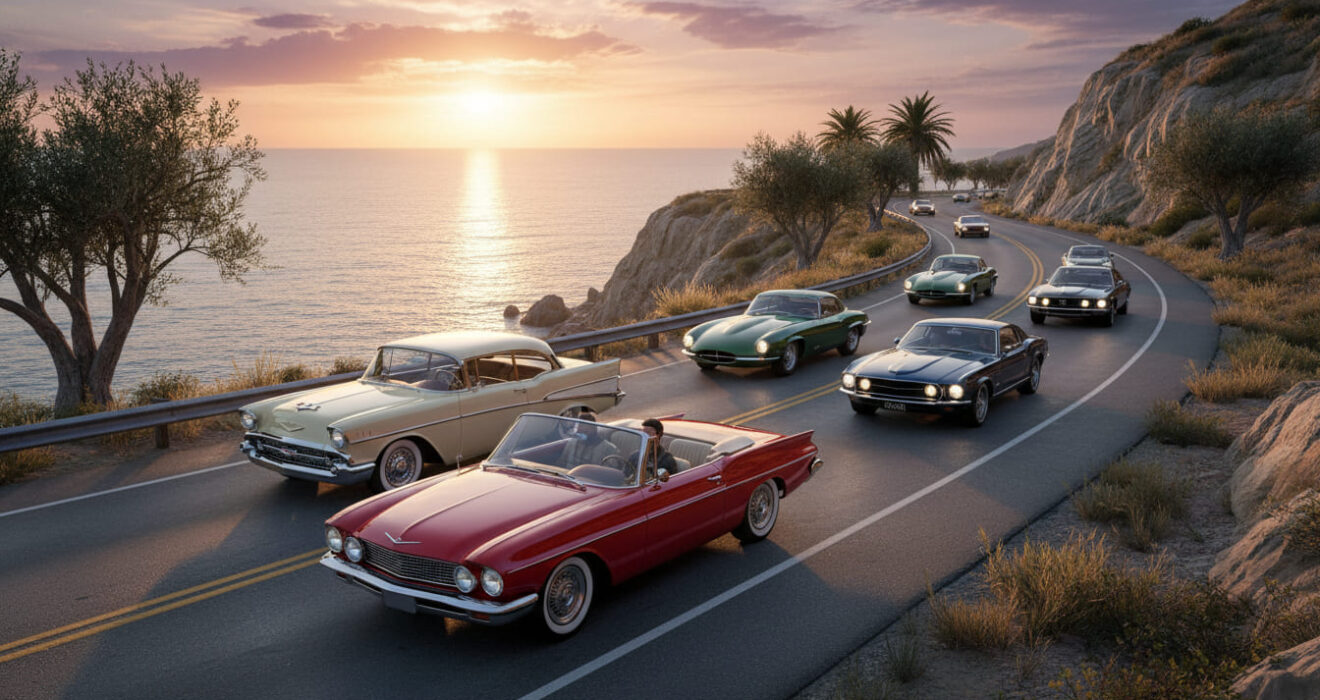
Classic Cars: History, Features, and Why They Still Matter
Classic Cars: History, Features, and Why They Still Matter
Classic cars are more than just old vehicles—they are symbols of history, craftsmanship, and timeless design. From elegant vintage models to powerful muscle cars, classic automobiles continue to capture the hearts of enthusiasts around the world. While modern vehicles offer advanced technology and convenience, classic cars hold a unique charm that cannot be replicated.
The enduring appeal of classic cars lies in their story, design, and cultural significance. Whether you are a collector, an enthusiast, or simply curious, understanding the history, features, and importance of classic cars can deepen your appreciation for these automotive treasures.
In this article, we will explore the fascinating world of classic cars, including their history, defining features, and why they still matter in today’s fast-paced, technology-driven world.
The History of Classic Cars
The history of classic cars dates back to the early 20th century, when automobiles first became widely available. Cars produced between the 1920s and 1970s are often considered “classic,” though definitions can vary.
Early Beginnings (1920s–1930s)
During this period, cars became more accessible to the public. Manufacturers focused on durability and basic functionality, but design also began to evolve. Vehicles from this era are often referred to as vintage cars and are highly collectible today.
The Golden Age (1940s–1960s)
The mid-20th century is widely regarded as the golden age of classic cars. This era saw the rise of iconic designs, powerful engines, and increased innovation.
Key highlights:
- Introduction of tailfins and chrome details
- Growth of American muscle cars
- Improved engine performance
Classic cars from this era are among the most sought-after today.
The Muscle Car Era (1960s–1970s)
This period introduced high-performance vehicles known as muscle cars. These cars were designed for speed and power, featuring large engines and aggressive styling.
Popular examples include:
- Ford Mustang
- Chevrolet Camaro
- Dodge Charger
These vehicles became symbols of freedom and performance.
Key Features of Classic Cars
Classic cars stand out due to their unique characteristics, which differ significantly from modern vehicles.
1. Timeless Design
One of the most notable features of classic cars is their design. Unlike modern cars, which often prioritize aerodynamics and efficiency, classic cars emphasize style and individuality.
Common design elements include:
- Chrome accents
- Rounded body shapes
- Distinctive grilles
- Handcrafted interiors
Each model reflects the artistic vision of its era.
2. Simple Mechanics
Classic cars are known for their mechanical simplicity. Unlike modern vehicles filled with electronic systems, classic cars rely on basic engineering.
Advantages:
- Easier to repair
- Greater mechanical understanding
- Less dependence on technology
This simplicity appeals to car enthusiasts who enjoy hands-on maintenance.
3. Powerful Engines
Many classic cars, especially muscle cars, are equipped with large, powerful engines.
Features include:
- V8 engines
- High horsepower
- Distinct engine sound
The roar of a classic engine is a defining characteristic that modern cars often lack.
4. Craftsmanship and Build Quality
Classic cars were often built with a focus on craftsmanship. Many components were handcrafted, resulting in unique details and higher durability.
This level of attention to detail contributes to their lasting value.
5. Unique Interiors
The interiors of classic cars reflect the style and culture of their time.
Common features:
- Leather or fabric upholstery
- Analog gauges
- Minimal digital components
These interiors offer a nostalgic experience that modern cars cannot replicate.
Why Classic Cars Still Matter Today
Despite the rise of modern vehicles, classic cars remain highly relevant. Here’s why they continue to matter:
1. Cultural and Historical Significance
Classic cars represent important moments in automotive and cultural history. They reflect the design trends, technological advancements, and societal values of their time.
Owning or studying a classic car is like preserving a piece of history.
2. Investment Value
Classic cars can be valuable investments. Many models appreciate over time, especially rare or well-maintained vehicles.
Factors affecting value:
- Rarity
- Condition
- Historical importance
Some classic cars have sold for millions at auctions, making them attractive to collectors.
3. Enthusiast Community
Classic cars bring people together. Car shows, clubs, and events create a strong sense of community among enthusiasts.
Benefits:
- Sharing knowledge
- Restoring vehicles together
- Celebrating automotive history
4. A Break from Modern Technology
Modern cars are filled with advanced technology, which can sometimes feel overwhelming. Classic cars offer a simpler, more engaging driving experience.
Drivers often appreciate:
- Direct control
- Minimal distractions
- Pure driving pleasure
5. Emotional and Nostalgic Value
For many people, classic cars evoke memories of the past. They may remind individuals of childhood experiences or significant life events.
This emotional connection is a major reason why classic cars remain محبوب (popular).
Challenges of Owning a Classic Car
While classic cars have many benefits, they also come with challenges:
- Higher maintenance requirements
- Difficulty finding parts
- Lower fuel efficiency
- Limited safety features
However, for many enthusiasts, these challenges are part of the experience.
Tips for Buying a Classic Car
If you are considering purchasing a classic car, here are some helpful tips:
- Do Your Research – Learn about the model and its history
- Check Condition – Inspect for rust, engine issues, and authenticity
- Verify Documentation – Ensure proper ownership records
- Set a Budget – Include maintenance and restoration costs
- Join Communities – Get advice from experienced collectors
Frequently Asked Questions (FAQs)
1. What qualifies as a classic car?
A classic car is typically a vehicle that is at least 20–40 years old and has historical or cultural significance.
2. Are classic cars a good investment?
Yes, many classic cars increase in value over time, especially rare and well-maintained models.
3. Why are classic cars so popular?
Classic cars are popular due to their timeless design, historical importance, and emotional appeal.
4. Are classic cars expensive to maintain?
Yes, maintenance can be costly due to the need for specialized parts and expertise.
5. Can classic cars be used daily?
While possible, they are generally not ideal for daily use due to reliability and safety concerns.
Conclusion
Classic cars are far more than just vehicles—they are rolling pieces of history that continue to inspire passion and admiration. From their rich history and unique features to their cultural and emotional significance, classic cars hold a special place in the automotive world.
Despite the rapid advancement of modern technology, the appeal of classic cars remains strong. They offer a connection to the past, a sense of individuality, and an experience that modern cars simply cannot replicate.
Whether you are a collector, enthusiast, or casual admirer, classic cars remind us of a time when design, craftsmanship, and driving pleasure were at the heart of the automotive experience. for further information to read blogs.