
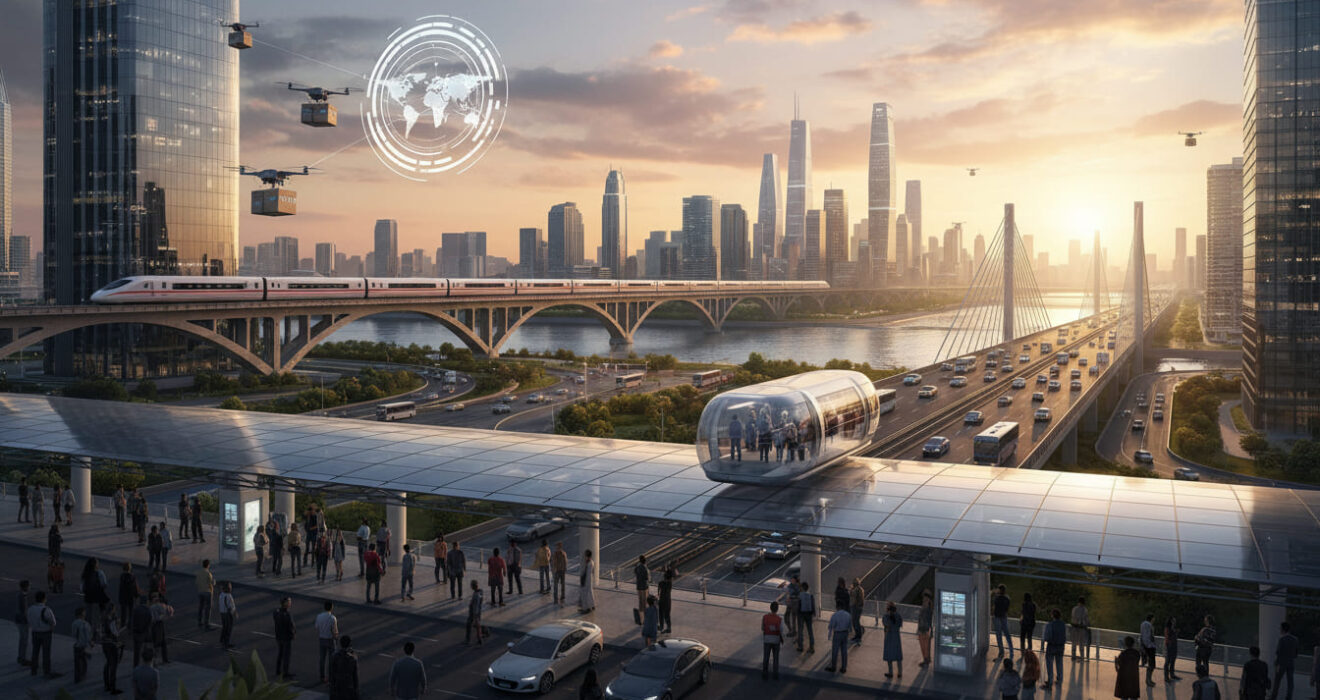
Transportation: Connecting People and Places
Transportation: Connecting People and Places
In today’s fast-moving world, transportation plays a vital role in connecting people, goods, and places. From walking paths and bicycles to cars, trains, airplanes, and ships, transportation systems form the backbone of modern society. Without transportation, economic growth, social interaction, and daily life would come to a standstill.
Transportation is not just about movement it is about accessibility, development, and opportunity. It allows people to travel for work, education, healthcare, and leisure, while also enabling businesses to grow by moving products efficiently.
This article explores the importance of transportation, its types, benefits, challenges, and its impact on daily life and global development.
What Is Transportation?
Transportation refers to the movement of people, animals, goods, and services from one place to another using various modes. It is a fundamental part of human civilization and has evolved significantly over time from simple walking paths to advanced high-speed railways and aircraft.
Modern transportation systems are designed to be faster, safer, and more efficient, helping societies stay connected globally.
Types of Transportation
Transportation is generally divided into four major categories:
1. Road Transportation
Road transport includes vehicles such as cars, buses, motorcycles, bicycles, and trucks. It is the most commonly used form of transportation for short and medium distances.
✔ Flexible routes
✔ Affordable travel
✔ Easy access
2. Rail Transportation
Railways are used for both passenger and freight transport over long distances. Trains are known for their efficiency, safety, and large carrying capacity.
✔ Cost-effective for bulk goods
✔ Environmentally friendly
✔ Reliable schedules
3. Air Transportation
Air transport includes airplanes and helicopters, used for long-distance and international travel. It is the fastest mode of transportation.
✔ Fast travel
✔ Global connectivity
✔ Ideal for long distances
4. Water Transportation
Water transport includes ships, boats, and ferries used for transporting goods and passengers across seas, rivers, and oceans.
✔ Economical for heavy goods
✔ Important for international trade
✔ Large carrying capacity
Importance of Transportation in Daily Life
Transportation is essential for every aspect of human life:
1. Access to Education
Students rely on transportation to reach schools, colleges, and universities.
2. Healthcare Access
Transportation ensures patients can reach hospitals and medical centers in emergencies.
3. Employment Opportunities
People travel daily for jobs, enabling economic stability and growth.
4. Trade and Business
Goods are transported across cities and countries, supporting global commerce.
5. Social Connectivity
Transportation helps people visit family, friends, and new places.
Benefits of Modern Transportation
1. Saves Time
Fast transportation systems reduce travel time significantly.
2. Economic Growth
Efficient transport boosts trade, tourism, and employment opportunities.
3. Global Connectivity
Air and sea transport connect countries and continents.
4. Tourism Development
Transportation makes travel easier, promoting tourism industries worldwide.
5. Efficient Goods Delivery
Transport systems ensure timely delivery of goods and services.
Challenges in Transportation
Despite its benefits, transportation also faces several challenges:
1. Traffic Congestion
Urban areas often suffer from heavy traffic, causing delays and stress.
2. Environmental Pollution
Vehicles contribute to air and noise pollution.
3. High Costs
Fuel prices, maintenance, and infrastructure development can be expensive.
4. Road Accidents
Poor driving habits and road conditions can lead to accidents.
5. Infrastructure Issues
In some regions, poor roads and lack of transport facilities create difficulties.
Sustainable Transportation Solutions
To reduce negative impacts, many countries are adopting sustainable transportation methods:
1. Eco-Friendly Transport
Bicycles and electric vehicles reduce pollution.
2. Electric Vehicles (EVs)
EVs are becoming popular for reducing carbon emissions.
3. Public Transport Systems
Buses and trains help reduce traffic and pollution.
4. Smart City Planning
Modern cities are designed with efficient transport networks.
Transportation and Technology
Technology has transformed transportation in many ways:
- GPS navigation systems improve travel accuracy
- Ride-sharing apps make commuting easier
- Electric and hybrid vehicles reduce fuel usage
- Smart traffic systems reduce congestion
These innovations are making transportation faster, safer, and more efficient.
Impact of Transportation on Society
Transportation has a deep impact on human life and society:
- Improves quality of life
- Encourages cultural exchange
- Supports economic development
- Connects rural and urban areas
- Expands global trade opportunities
Without transportation, modern civilization would not function effectively.
Future of Transportation
The future of transportation is highly advanced and innovative:
- Autonomous (self-driving) vehicles
- Hyperloop high-speed travel
- Drone delivery systems
- Fully electric transportation networks
- Smart AI-based traffic control systems
These advancements will make transportation faster, safer, and more sustainable.
Frequently Asked Questions (FAQs)
1. What is transportation in simple words?
Transportation is the movement of people and goods from one place to another using vehicles or other means.
2. Why is transportation important?
It connects people, supports trade, enables travel, and helps economic development.
3. What are the main types of transportation?
Road, rail, air, and water transportation are the main types.
4. How does transportation affect daily life?
It helps people commute to work, school, hospitals, and travel for personal needs.
5. What is the future of transportation?
The future includes electric vehicles, smart systems, and autonomous transport technologies.
Conclusion
Transportation is the lifeline of modern society, connecting people, places, and economies across the world. It enables communication, trade, travel, and development, making it one of the most important systems in human life.
While transportation offers numerous benefits, it also comes with challenges such as pollution, congestion, and safety concerns. However, with advancements in technology and sustainable practices, the future of transportation looks promising and environmentally friendly.
By improving transportation systems and adopting smart solutions, we can build a more connected, efficient, and sustainable world for future generations. for further information to read blogs.