
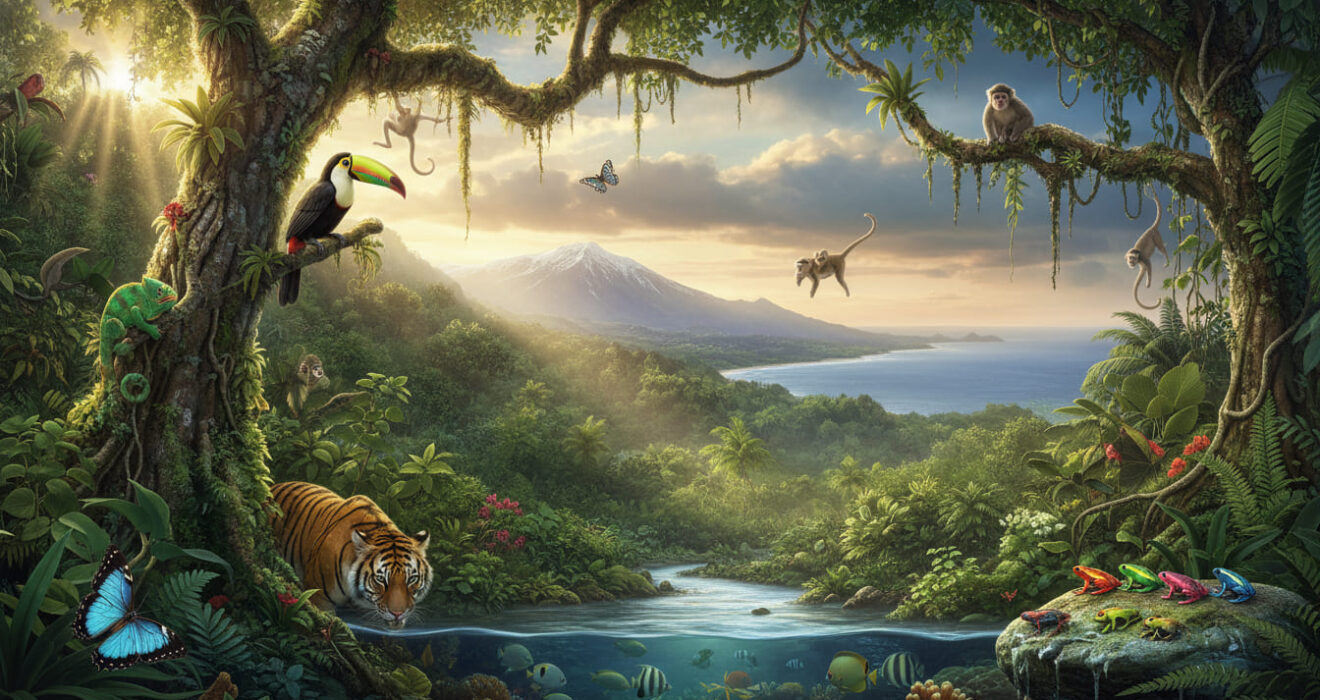
Biodiversity: Why It Matters for Life on Earth
Biodiversity: Why It Matters for Life on Earth
Biodiversity is the variety of life on Earth, including plants, animals, and microorganisms, along with the ecosystems they form. It is essential for maintaining the natural processes that support life. From providing food and clean water to regulating the climate, biodiversity plays a central role in sustaining the planet.
However, modern environmental challenges such as deforestation, pollution, and climate change are threatening this delicate balance. Understanding how biodiversity works—and why it matters helps us make better decisions for a more sustainable future.
Understanding the Variety of Life
Life on Earth exists in many forms, and this diversity operates at different levels. Genetic differences within species allow populations to adapt over time. The wide range of species ensures that ecosystems function smoothly, while diverse habitats—from forests to oceans—create unique environments where life can thrive.
These layers are interconnected. When one part is disrupted, it can affect the entire system, making balance harder to maintain.
The Role of Nature in Everyday Life
Nature supports human life in ways that often go unnoticed. The air we breathe, the food we eat, and the water we drink all depend on healthy natural systems. Plants produce oxygen and absorb carbon dioxide, while insects pollinate crops that feed billions of people.
Natural environments also contribute to human well-being. Spending time in green spaces can reduce stress, improve mood, and enhance overall health. This connection shows that protecting nature is not just about saving wildlife—it is also about improving our quality of life.
A System That Keeps Itself in Check
In a balanced environment, different species depend on one another. Predators control populations, plants provide energy, and decomposers recycle nutrients back into the soil. This natural system helps ecosystems remain stable and productive.
When diversity is reduced, these systems become weaker. For example, losing pollinators can affect food production, while the disappearance of predators can lead to overpopulation of certain species.
Challenges Facing the Natural World
Human activities are putting increasing pressure on natural systems. Forests are being cleared for agriculture and urban development, leading to habitat loss. Pollution is contaminating water and soil, affecting both wildlife and human health.
Climate change is another major challenge, altering weather patterns and forcing species to adapt or relocate. In addition, overuse of natural resources is reducing populations of many species faster than they can recover.
Steps Toward a Better Future
Protecting the natural world requires a combination of global efforts and individual actions. Governments and organizations can create protected areas and enforce environmental laws. At the same time, individuals can contribute by making environmentally friendly choices.
Simple actions such as reducing waste, conserving energy, and supporting sustainable products can have a meaningful impact. Education and awareness also play a key role in encouraging responsible behavior.
Why Balance Matters for the Future
A healthy planet depends on maintaining natural balance. Diverse ecosystems are more resilient and better able to recover from disturbances. They also continue to provide essential services that support life.
If current trends continue, the loss of biodiversity could have serious consequences for food security, health, and the global economy. Taking action now helps ensure that future generations inherit a stable and thriving environment.
FAQs
1. What does biodiversity mean?
It refers to the variety of all living organisms and the ecosystems they form.
2. Why is it important for humans?
It supports essential resources like food, water, and medicine, and contributes to overall well-being.
3. What are the biggest threats today?
Habitat loss, pollution, climate change, and overuse of resources are major challenges.
4. Can individuals make a difference?
Yes, small actions like reducing waste and supporting sustainable practices can help protect the environment.
5. How does nature stay balanced?
Different species interact in ways that regulate populations and recycle resources, maintaining stability.
Conclusion
The variety of life on Earth is essential for maintaining a healthy and functioning planet. It supports ecosystems, benefits human life, and helps create a stable environment. Yet, it is increasingly under threat from human activities.
Protecting this natural richness requires awareness, responsibility, and action at every level. By making thoughtful choices and supporting conservation efforts, we can help preserve the planet’s balance and ensure a sustainable future for all. for further information to read blogs.