
Esports: The Ultimate Guide to Competitive Gaming
Esports: The Ultimate Guide to Competitive Gaming
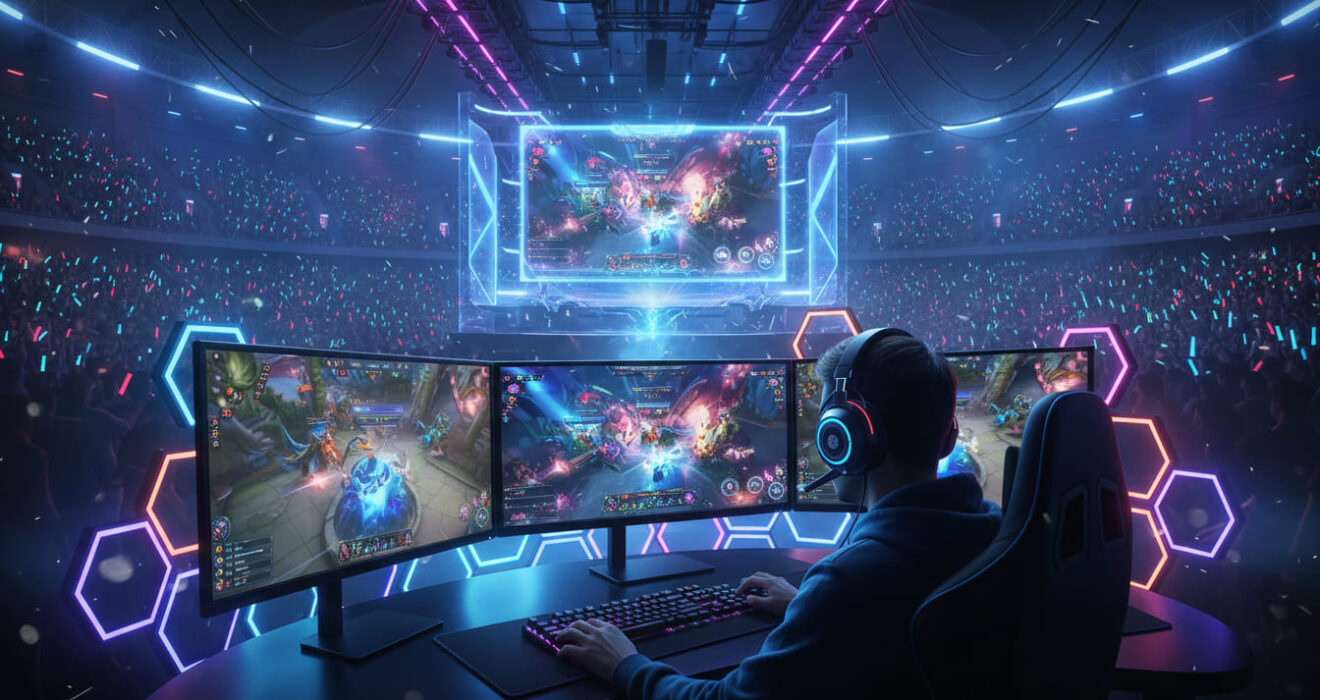
Competitive video gaming has transformed from a niche hobby into a global entertainment powerhouse. Today, millions of players and viewers participate in organized tournaments, professional leagues, and live-streamed matches. This fast-growing industry blends technology, skill, and entertainment, creating opportunities for players, content creators, and businesses alike.
Unlike casual gaming, competitive play involves structured matches, dedicated practice, and strategic teamwork. Whether you are watching a high-stakes championship or playing ranked matches online, this digital sport continues to shape the future of entertainment.
In this guide, you’ll discover how the competitive gaming world works, its history, benefits, challenges, and how you can get started.
What Is Competitive Gaming?
Competitive gaming refers to organized video game competitions where individuals or teams compete against each other for recognition, rankings, and prizes. These events can be local, national, or international.
Players often specialize in specific titles and train regularly to improve reaction time, coordination, and strategy. Just like traditional athletes, top players follow strict routines to stay at peak performance.
The Evolution of Competitive Gaming
The journey of organized gaming competitions spans several decades:
Early Beginnings
In the 1970s and 1980s, arcade competitions introduced the idea of high-score challenges. These small events laid the foundation for modern tournaments.
Rise of Online Gaming
With the growth of the internet in the 1990s and early 2000s, players could compete globally. Multiplayer games became more popular, and organized events started gaining attention.
Modern Era
Today, global tournaments attract millions of viewers, with prize pools reaching millions of dollars. Professional teams, sponsors, and media coverage have turned competitive gaming into a serious industry.
Popular Game Genres in Competitive Play
Different genres dominate the competitive scene, each requiring unique skills:
First-Person Shooters (FPS)
These games focus on quick reflexes and precise aiming.
- Examples: tactical shooters and battle-based games
Strategy Games
Players must think critically and plan ahead.
- Real-time strategy titles challenge decision-making skills
Multiplayer Online Battle Arena (MOBA)
Team-based gameplay where strategy and coordination are key.
Sports Simulations
Games that replicate real-world sports with competitive leagues.
How Competitive Gaming Works
Understanding the structure helps explain why it’s so engaging:
1. Players and Teams
Individuals may compete solo or join teams with specialized roles.
2. Tournaments
Events range from amateur competitions to global championships.
3. Leagues
Professional leagues operate with seasons, rankings, and playoffs.
4. Broadcasting
Matches are streamed live, allowing fans worldwide to watch in real time.
Why Competitive Gaming Is So Popular
Global Reach
Anyone with an internet connection can participate or watch.
Entertainment Factor
High-level gameplay is intense, fast-paced, and engaging.
Financial Opportunities
Players, streamers, and organizers can earn substantial income.
Community Connection
Fans and players interact through online platforms and events.
Benefits of Competitive Gaming
Cognitive Development
Improves problem-solving, reaction time, and focus.
Teamwork Skills
Encourages communication and collaboration in team-based games.
Discipline and Practice
Players learn consistency, patience, and goal-setting.
Career Paths
Opportunities include playing professionally, streaming, coaching, and content creation.
Challenges and Risks
Despite its advantages, there are some concerns:
Physical Health Issues
Long hours can lead to eye strain and posture problems.
Mental Stress
High competition levels can create pressure and burnout.
Overuse
Excessive play may negatively affect daily life.
Career Longevity
Professional careers can be relatively short compared to traditional sports.
Maintaining balance is key to long-term success.
How to Start Your Journey
If you’re interested in entering this field, here are practical steps:
Choose Your Game
Pick a title that matches your interests and skills.
Practice Smartly
Focus on improving mechanics, strategy, and consistency.
Join Communities
Engage with other players to learn and grow.
Create Content
Streaming or uploading gameplay helps build visibility.
Compete Regularly
Start with smaller tournaments and work your way up.
Equipment and Setup
A proper setup can enhance performance:
- High-performance computer or console
- Fast internet connection
- Comfortable gaming chair
- Quality headset for communication
- Responsive keyboard and mouse or controller
Competitive Gaming vs Traditional Sports
| Aspect | Competitive Gaming | Traditional Sports |
|---|---|---|
| Environment | Digital | Physical |
| Skills Required | Mental + Technical | Physical + Mental |
| Accessibility | High | Moderate |
| Audience | Online & Offline | Mostly Offline |
Both require dedication, training, and skill.
The Role of Technology
Technology is the backbone of this industry:
- Advanced graphics and game engines
- High-speed internet infrastructure
- Streaming platforms for global audiences
- Data analytics for performance improvement
Future innovations like virtual reality may further transform the experience.
Future Trends
Continued Growth
The industry is expected to expand even more in the coming years.
Global Recognition
More countries are supporting competitive gaming as a legitimate profession.
Education Integration
Schools and universities are introducing programs related to gaming and digital sports.
Innovation
Emerging technologies will create new forms of interactive competition.
Tips for Success
- Stay consistent with practice
- Focus on mental and physical health
- Learn from experienced players
- Keep up with updates and trends
- Maintain a positive mindset
FAQs
1. What is competitive gaming?
It is organized video game competition where players or teams compete for rankings and rewards.
2. Can beginners start easily?
Yes, many games offer entry-level competitions and ranked systems.
3. Is it possible to earn money?
Yes, through tournaments, streaming, sponsorships, and content creation.
4. How much practice is needed?
Top players often practice several hours daily.
5. What skills are important?
Quick reflexes, strategy, teamwork, and consistency.
6. Is it a long-term career?
It can be, especially when combined with content creation or coaching.
Conclusion
Competitive gaming has become one of the most exciting and rapidly growing industries in the digital world. It combines entertainment, skill, and technology, offering opportunities for players and fans alike.
While it brings many benefits such as improved cognitive abilities and career potential, maintaining balance is essential to avoid negative effects. With the right mindset, dedication, and strategy, anyone can explore this dynamic field.
As technology continues to evolve, the future of competitive gaming looks brighter than ever. Whether you aim to play professionally or simply enjoy watching matches, this world offers endless possibilities.for further information to read blogs.