
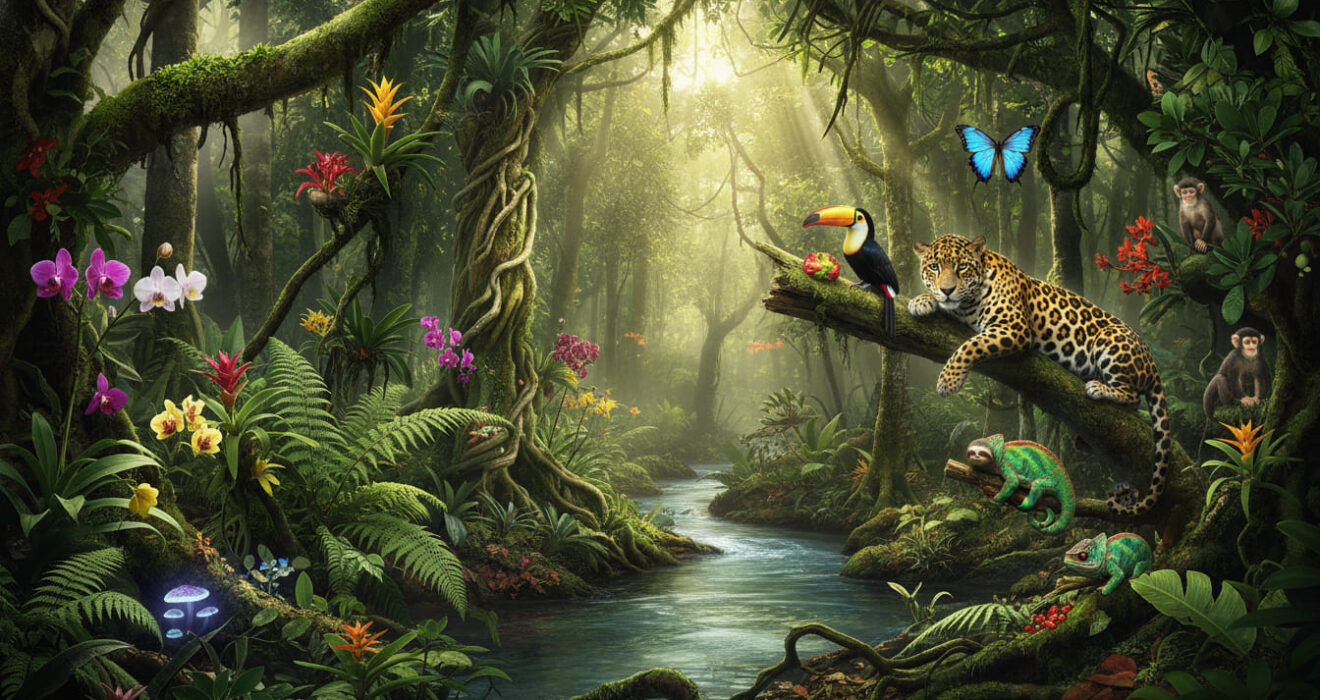
Flora and Fauna Explained: Exploring Earth’s Biodiversity
Flora and Fauna Explained: Exploring Earth’s Biodiversity
Flora and fauna are the foundation of life on Earth, representing the vast diversity of plants and animals that inhabit our planet. From dense tropical forests to deep ocean ecosystems, flora and fauna play a vital role in maintaining ecological balance and supporting life. Understanding flora and fauna is essential for appreciating biodiversity and recognizing the importance of conservation in today’s rapidly changing world.
In simple terms, flora refers to plant life, while fauna refers to animal life. Together, they form ecosystems that sustain natural processes such as oxygen production, food chains, and climate regulation. As environmental challenges like climate change and deforestation increase, the need to protect flora and fauna has never been more urgent.
What is Flora?
Flora includes all types of plant life found in a particular region or time period. It ranges from microscopic algae to massive trees in rainforests. Flora is essential for life because it produces oxygen through photosynthesis and serves as the base of the food chain.
Types of Flora
- Native Flora – Plants that naturally grow in a region
- Agricultural Flora – Crops cultivated by humans
- Horticultural Flora – Decorative plants used in gardens
- Aquatic Flora – Plants found in water bodies
Plants also contribute to soil fertility, regulate temperature, and provide shelter for countless organisms.
What is Fauna?
Fauna refers to all animal life in a specific region or ecosystem. This includes mammals, birds, reptiles, amphibians, insects, and marine animals. Fauna plays a critical role in maintaining ecological balance by participating in food chains and supporting plant life through pollination and seed dispersal.
Types of Fauna
- Wild Fauna – Animals living in natural habitats
- Domestic Fauna – Animals raised by humans
- Microfauna – Tiny organisms like protozoa
- Marine Fauna – Animals living in oceans and seas
Animals also help control populations of other species, preventing ecological imbalance.
Understanding Biodiversity
Biodiversity refers to the variety of life on Earth, including flora and fauna, their genetic differences, and ecosystems. It is essential for maintaining environmental stability and supporting human survival.
Levels of Biodiversity
- Genetic Diversity – Variation within species
- Species Diversity – Variety of species in a region
- Ecosystem Diversity – Different ecosystems like forests, deserts, and oceans
High biodiversity ensures resilience against environmental changes and natural disasters.
Importance of Flora and Fauna
Flora and fauna are interconnected and essential for life. Their importance can be understood in several ways:
1. Oxygen Production and Air Quality
Plants absorb carbon dioxide and release oxygen, making the air breathable.
2. Food Chain and Survival
Plants provide food for herbivores, which are eaten by carnivores, maintaining balance.
3. Climate Regulation
Forests and oceans regulate global temperatures and weather patterns.
4. Medicinal Value
Many medicines are derived from plants and animal compounds.
5. Economic Importance
Agriculture, tourism, and industries depend on biodiversity.
Flora and Fauna in Different Ecosystems
Different ecosystems host unique flora and fauna adapted to their environments.
1. Forest Ecosystem
- Rich in biodiversity
- Includes trees, birds, mammals, and insects
2. Desert Ecosystem
- Sparse vegetation
- Animals adapted to extreme heat
3. Marine Ecosystem
- Coral reefs, fish, and aquatic plants
- Covers most of Earth’s surface
4. Polar Ecosystem
- Limited plant life
- Animals adapted to cold climates
Threats to Flora and Fauna
Despite their importance, flora and fauna face many threats:
1. Deforestation
Clearing forests destroys habitats and reduces biodiversity.
2. Climate Change
Rising temperatures affect ecosystems and species survival.
3. Pollution
Air, water, and soil pollution harm both plants and animals.
4. Poaching and Hunting
Illegal hunting leads to extinction of species.
5. Urbanization
Expansion of cities reduces natural habitats.
Conservation of Flora and Fauna
Protecting flora and fauna is crucial for sustainable development.
Ways to Conserve Biodiversity
- Plant more trees
- Reduce pollution
- Protect wildlife habitats
- Promote eco-friendly practices
- Support conservation organizations
Governments and individuals must work together to ensure a sustainable future.
Role of Humans in Protecting Nature
Humans play a key role in preserving biodiversity. Simple actions can make a big difference:
- Reduce waste and recycle
- Use renewable energy
- Avoid plastic pollution
- Support wildlife conservation programs
- Spread awareness about environmental protection
By adopting sustainable lifestyles, we can protect flora and fauna for future generations.
Flora and Fauna and Sustainable Living
Sustainable living focuses on reducing environmental impact while preserving natural resources. Flora and fauna are central to this concept.
Benefits of Sustainable Living
- Protects ecosystems
- Reduces pollution
- Conserves resources
- Promotes biodiversity
Eco-friendly practices such as organic farming and renewable energy help maintain ecological balance.
Interesting Facts About Flora and Fauna
- Over 80% of Earth’s species are still undiscovered
- Rainforests contain more than half of the world’s plant and animal species
- Oceans produce most of the Earth’s oxygen
- Some plants can live for thousands of years
- Bees play a vital role in pollination
FAQs About Flora and Fauna
1. What is the difference between flora and fauna?
Flora refers to plant life, while fauna refers to animal life.
2. Why are flora and fauna important?
They maintain ecological balance, support food chains, and provide resources for humans.
3. What is biodiversity?
Biodiversity is the variety of life on Earth, including plants, animals, and ecosystems.
4. How can we protect flora and fauna?
By reducing pollution, conserving habitats, and adopting sustainable practices.
5. What are the main threats to biodiversity?
Deforestation, climate change, pollution, and human activities.
Conclusion
Flora and fauna are the backbone of Earth’s biodiversity, supporting life in countless ways. From providing oxygen and food to maintaining ecological balance, their role is irreplaceable. However, human activities and environmental challenges threaten their existence, making conservation efforts more important than ever.
Understanding flora and fauna helps us appreciate the beauty and complexity of nature. By protecting biodiversity and adopting sustainable practices, we can ensure a healthier planet for future generations. Every small action counts, and together, we can preserve the natural world and its incredible diversity. for further information to read blogs.