
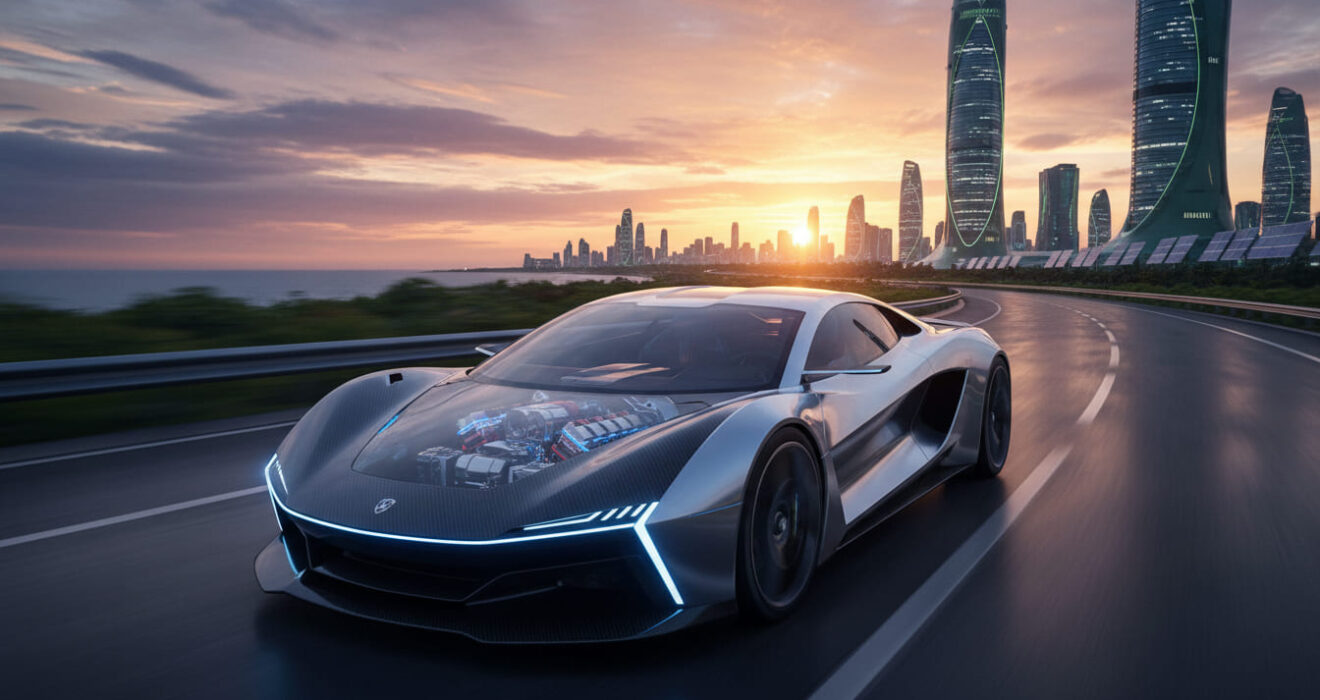
The Complete Guide to Petrol Cars in 2026
The Complete Guide to Petrol Cars in 2026
Petrol cars continue to be one of the most popular choices for drivers around the world in 2026. Despite the rise of electric vehicles and hybrid cars, petrol cars remain a reliable, affordable, and widely available option for everyday transportation. Known for their smooth performance, lower initial cost, and easy maintenance, petrol cars are especially favored for city driving and short-distance travel.
In this complete guide to petrol cars in 2026, we will explore everything you need to know—from how petrol engines work to their advantages, disadvantages, fuel efficiency, and how they compare to diesel and electric cars. Whether you are planning to buy a new car or simply want to understand the automotive market better, this guide will help you make informed decisions.
What Are Petrol Cars?
Petrol cars are vehicles powered by an internal combustion engine that uses petrol (gasoline) as fuel. The engine burns petrol to create energy, which powers the car. This process is efficient for daily use and offers a smooth driving experience.
How Petrol Engines Work
Petrol engines operate on a four-stroke cycle:
- Intake – Air and fuel enter the engine
- Compression – The mixture is compressed
- Combustion – A spark ignites the fuel
- Exhaust – Gases are expelled
This cycle repeats rapidly to generate power and keep the vehicle moving.
Why Petrol Cars Are Popular in 2026
Even with growing environmental concerns, petrol cars remain in high demand due to several reasons:
- Affordable purchase price compared to electric cars
- Smooth and quiet driving experience
- Lower maintenance costs
- Widely available fuel stations
- Ideal for city driving and short trips
These advantages make petrol cars a practical choice for millions of drivers worldwide.
Advantages of Petrol Cars
1. Lower Initial Cost
Petrol cars are generally cheaper to buy than diesel or electric vehicles, making them ideal for budget-conscious buyers.
2. Smooth Driving Experience
Petrol engines produce less noise and vibration, providing a comfortable ride.
3. Easy Maintenance
Maintenance is simpler and less expensive compared to diesel engines.
4. Better for Short Distances
Petrol cars perform efficiently in city traffic and short commutes.
5. Wide Availability
Petrol is easily available, making refueling convenient.
Disadvantages of Petrol Cars
1. Lower Fuel Efficiency
Petrol cars typically consume more fuel compared to diesel cars.
2. Higher Running Costs
Frequent refueling can increase overall expenses.
3. Environmental Impact
Petrol engines produce carbon emissions, contributing to pollution.
4. Less Torque
Petrol cars are less powerful for heavy loads compared to diesel vehicles.
Fuel Efficiency of Petrol Cars
Fuel efficiency is a key factor when choosing a car. Modern petrol cars in 2026 have improved significantly due to advanced engine technology.
Factors Affecting Fuel Efficiency
- Driving habits
- Traffic conditions
- Engine size
- Vehicle weight
- Maintenance
Tips to Improve Fuel Efficiency
- Drive at a steady speed
- Avoid sudden acceleration
- Maintain proper tire pressure
- Service your car regularly
- Reduce unnecessary weight
Petrol Cars vs Diesel Cars
Understanding the difference between petrol and diesel cars helps in making the right choice.
| Feature | Petrol Cars | Diesel Cars |
|---|---|---|
| Cost | Lower | Higher |
| Fuel Efficiency | Moderate | High |
| Maintenance | Low | Higher |
| Best Use | City driving | Long-distance travel |
| Noise | Quiet | Noisy |
Petrol cars are better suited for urban environments, while diesel cars are ideal for long highway journeys.
Petrol Cars vs Electric Cars
Electric vehicles are gaining popularity, but petrol cars still hold a strong position.
| Feature | Petrol Cars | Electric Cars |
|---|---|---|
| Cost | Affordable | Expensive |
| Fuel | Petrol | Electricity |
| Range | Long | Limited (improving) |
| Charging | Quick refueling | Time-consuming charging |
| Environment | Polluting | Eco-friendly |
While electric cars are better for the environment, petrol cars offer convenience and accessibility.
Best Types of Petrol Cars
Petrol cars come in various types to suit different needs:
Hatchbacks
- Compact and efficient
- Ideal for city driving
Sedans
- Comfortable and stylish
- Suitable for families
SUVs
- Spacious and powerful
- Great for long trips
Sports Cars
- High performance
- Designed for speed and excitement
Maintenance Tips for Petrol Cars
Proper maintenance ensures long-term performance:
- Change engine oil regularly
- Replace air filters
- Check spark plugs
- Maintain cooling system
- Inspect brakes and tires
Regular servicing improves efficiency and extends the lifespan of your vehicle.
Environmental Impact of Petrol Cars
Petrol cars contribute to air pollution and climate change due to carbon emissions. However, modern technologies are helping reduce their impact:
- Fuel-efficient engines
- Emission control systems
- Hybrid technology integration
Drivers can also reduce their environmental footprint by adopting eco-friendly driving habits.
Future of Petrol Cars in 2026 and Beyond
The future of petrol cars is evolving with technological advancements:
- Improved fuel efficiency
- Hybrid petrol engines
- Reduced emissions
- Smart car features
While electric vehicles are growing, petrol cars will continue to play a significant role in the automotive industry for years to come.
How to Choose the Right Petrol Car
Before buying a petrol car, consider:
- Budget
- Fuel efficiency
- Purpose (city or long-distance)
- Maintenance cost
- Safety features
Research and compare models to find the best option for your needs.
FAQs About Petrol Cars
1. Are petrol cars good for daily use?
Yes, petrol cars are ideal for daily commuting, especially in cities.
2. Are petrol cars better than diesel cars?
It depends on usage. Petrol cars are better for short distances, while diesel cars are better for long trips.
3. Do petrol cars require high maintenance?
No, petrol cars generally have lower maintenance costs.
4. Are petrol cars fuel-efficient?
Modern petrol cars offer improved fuel efficiency, though generally less than diesel cars.
5. Will petrol cars be replaced by electric cars?
Electric cars are growing, but petrol cars will remain in use for many years.
Conclusion
Petrol cars continue to be a practical and reliable choice in 2026. With their affordability, smooth performance, and ease of maintenance, they are well-suited for everyday driving, especially in urban areas. Although they face competition from diesel and electric vehicles, petrol cars still offer unmatched convenience and accessibility.
As technology advances, petrol cars are becoming more efficient and environmentally friendly. By choosing the right model and maintaining it properly, drivers can enjoy a comfortable and cost-effective driving experience.
Understanding the benefits and limitations of petrol cars allows you to make smarter decisions and find a vehicle that fits your lifestyle. Whether you are a first-time buyer or an experienced driver, petrol cars remain a strong contender in the modern automotive world. for further information to read blogs.