
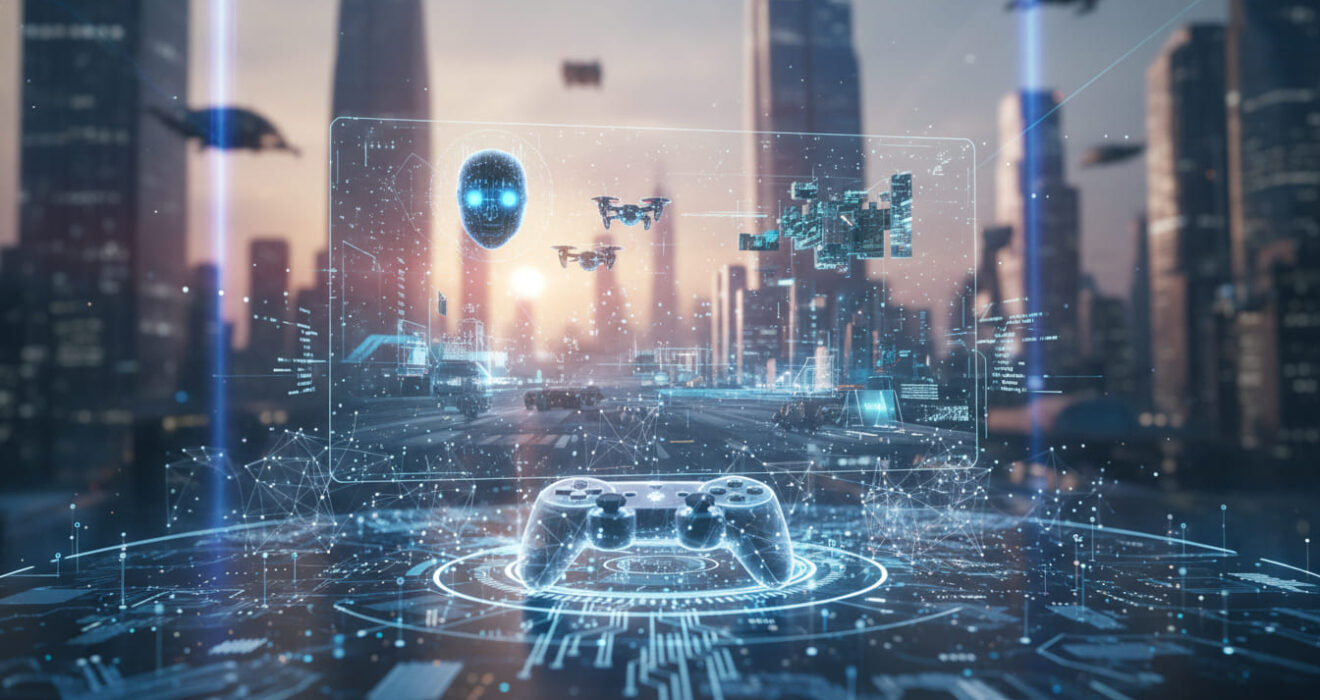
AI in Gaming: The Future of Video Games in 2026
AI in Gaming: The Future of Video Games in 2026
Artificial Intelligence, commonly known as AI, is transforming the gaming industry faster than ever before. In 2026, AI in gaming has become one of the most important technologies shaping the future of video games. From smarter enemies and realistic graphics to personalized gaming experiences, AI is changing how players interact with virtual worlds.
Modern gamers expect immersive gameplay, intelligent characters, and dynamic environments. Game developers are using advanced AI systems to meet these expectations and create more engaging experiences. AI in gaming is not only improving entertainment but also revolutionizing game design, storytelling, and online competition.
As technology continues to evolve, AI is becoming a major force behind innovation in the gaming world. This article explores how AI in gaming is shaping the future of video games in 2026, its benefits, challenges, and what gamers can expect in the years ahead.
What Is AI in Gaming?
AI in gaming refers to the use of artificial intelligence technologies to improve gameplay, create smarter game mechanics, and deliver more realistic virtual experiences. AI systems can control non-player characters, analyze player behavior, generate game environments, and enhance graphics.
In earlier video games, enemy characters followed simple programmed actions. However, in 2026, AI-powered characters can learn from player decisions, adapt strategies, and react intelligently during gameplay.
AI is now used in many gaming areas, including:
- Character behavior
- Game design
- Voice interaction
- Storytelling
- Graphics enhancement
- Player matchmaking
- Real-time decision making
This technology helps create games that feel more natural, interactive, and exciting.
How AI in Gaming Is Changing the Industry
AI in gaming is transforming the gaming industry in several important ways. Developers are creating smarter and more immersive games that provide better experiences for players worldwide.
Smarter Non-Player Characters
One of the biggest improvements in AI in gaming is the development of intelligent non-player characters, also called NPCs. In modern games, NPCs can:
- React to player actions
- Learn from player behavior
- Communicate naturally
- Adapt combat strategies
- Make independent decisions
This creates more realistic gameplay and makes games feel alive.
For example, enemy characters in action games can now work together as a team, hide strategically, and change tactics during battles.
Personalized Gaming Experiences
AI systems can analyze player preferences and customize gameplay experiences. Games can now recommend missions, adjust difficulty levels, and provide personalized content based on player behavior.
This helps both beginners and experienced players enjoy games at their own skill levels.
Personalized gaming also increases player satisfaction because every gaming experience feels unique.
Improved Graphics and Animation
AI in gaming is improving graphics quality significantly. Advanced AI tools help developers create realistic lighting, facial expressions, and detailed environments.
In 2026, many games use AI-powered graphics systems to:
- Improve image quality
- Generate realistic animations
- Create lifelike movements
- Enhance visual effects
These improvements make virtual worlds look more realistic than ever before.
AI and Open World Games
Open world games are becoming more advanced because of AI technology. AI systems can generate dynamic environments that respond to player choices and actions.
Dynamic Game Worlds
In modern open world games, weather, traffic, wildlife, and city environments can change automatically through AI systems. This creates immersive and unpredictable gameplay experiences.
Players may experience:
- Realistic weather patterns
- Intelligent wildlife behavior
- Interactive cities
- Changing environments
- Dynamic story events
These features make games feel more realistic and exciting.
Better Storytelling
AI in gaming is also improving storytelling. Some games now use AI to create adaptive storylines that change based on player decisions.
Instead of following one fixed storyline, AI-powered games can offer multiple story paths and endings. This increases replay value and player engagement.
AI in Online Multiplayer Gaming
Online multiplayer gaming has grown rapidly in recent years, and AI technology is helping improve competitive gaming experiences.
Fair Matchmaking Systems
AI systems analyze player skills and create balanced multiplayer matches. This helps players compete against opponents with similar abilities.
Balanced matchmaking improves:
- Fair competition
- Player satisfaction
- Game balance
- Online community experience
AI Anti-Cheat Systems
Cheating has always been a challenge in online gaming. In 2026, AI-powered anti-cheat systems can detect suspicious player behavior more effectively.
These systems help maintain fair gameplay and protect competitive gaming environments.
AI and Game Development
Game development is becoming faster and more efficient because of artificial intelligence.
Faster Game Creation
AI tools help developers automate tasks such as:
- Environment generation
- Character animation
- Dialogue creation
- Sound design
- Testing and debugging
This reduces development time and allows studios to create larger and more detailed games.
Procedural Content Generation
AI can automatically generate maps, missions, and virtual environments. This process is called procedural generation.
Procedural generation allows developers to create massive game worlds without manually designing every detail.
Popular game genres using procedural generation include:
- Survival games
- Adventure games
- Sandbox games
- Open world RPGs
AI in Mobile Gaming
Mobile gaming continues to dominate the global gaming market, and AI technology is making mobile games smarter and more engaging.
AI in mobile gaming helps:
- Improve graphics performance
- Optimize battery usage
- Personalize gameplay
- Enhance voice commands
- Deliver smarter advertisements
Mobile games in 2026 are more advanced than ever before because of AI integration.
The Role of AI in Esports
Esports has become a major global industry, and AI is playing an important role in competitive gaming.
AI Performance Analysis
Professional esports teams use AI tools to analyze gameplay performance, identify weaknesses, and improve strategies.
AI systems can track:
- Player accuracy
- Reaction times
- Movement patterns
- Team coordination
This data helps players improve their competitive skills.
AI Broadcasting and Commentary
AI-powered systems are also improving esports broadcasting. Some tournaments use AI to generate match highlights, provide statistics, and support live commentary.
This enhances the viewing experience for esports fans worldwide.
Benefits of AI in Gaming
AI in gaming offers many advantages for both developers and players.
More Realistic Gameplay
AI creates smarter game mechanics and realistic interactions that make games feel more immersive.
Better Player Engagement
Personalized experiences and adaptive gameplay keep players interested for longer periods.
Improved Accessibility
AI technologies help make games more accessible for players with disabilities through voice commands, automated assistance, and smart controls.
Faster Innovation
AI allows developers to experiment with new ideas and create advanced gaming experiences more quickly.
Challenges of AI in Gaming
Despite its advantages, AI in gaming also presents some challenges.
High Development Costs
Advanced AI systems require powerful hardware and skilled developers, increasing game production costs.
Privacy Concerns
Some AI systems collect player data to personalize experiences. Developers must ensure user privacy and data protection.
Risk of Overdependence
Too much automation could reduce creativity in game design if developers rely heavily on AI-generated content.
Technical Limitations
Although AI technology is improving rapidly, some systems still struggle with complex decision-making and realistic emotional interactions.
The Future of AI in Gaming Beyond 2026
The future of AI in gaming looks extremely promising. Experts expect AI to continue transforming the gaming industry in the coming years.
Future developments may include:
- Fully AI-generated game worlds
- Hyper-realistic virtual reality experiences
- Advanced voice-controlled gameplay
- Emotionally intelligent NPCs
- Smarter cloud gaming systems
- AI-driven storytelling engines
As AI technology evolves, gaming experiences will become more interactive, personalized, and immersive.
FAQs About AI in Gaming
What is AI in gaming?
AI in gaming refers to artificial intelligence technologies used to improve gameplay, graphics, character behavior, and game development.
How does AI improve video games?
AI improves video games by creating smarter NPCs, realistic graphics, adaptive gameplay, and personalized gaming experiences.
Is AI important for the future of gaming?
Yes, AI is one of the most important technologies shaping the future of gaming because it enhances realism, performance, and player engagement.
Can AI create entire video games?
AI can assist in generating environments, characters, and missions, but human developers still play a major role in creative game design.
What are the benefits of AI in gaming?
Benefits include better gameplay, faster development, improved graphics, smarter opponents, personalized experiences, and enhanced accessibility.
Conclusion
AI in gaming is revolutionizing the future of video games in 2026. From intelligent characters and realistic graphics to adaptive storytelling and advanced multiplayer systems, AI technology is transforming every part of the gaming industry.
Gamers today expect immersive and personalized experiences, and AI helps developers meet these growing demands. Although there are challenges such as development costs and privacy concerns, the benefits of AI in gaming continue to drive innovation across the industry.
As artificial intelligence becomes more advanced, future games will offer even more realistic worlds, smarter gameplay, and exciting new possibilities. AI is not only shaping the future of gaming but also redefining how people experience digital entertainment around the world. for further information to read blogs.