
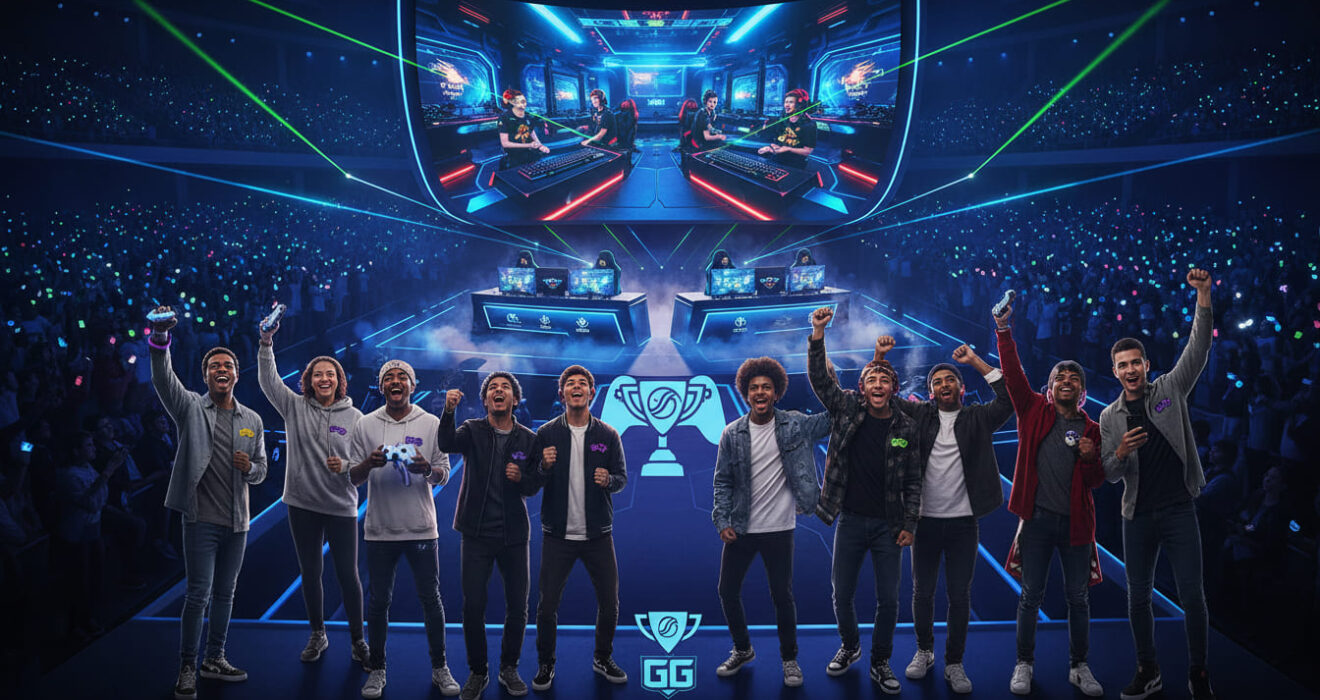
The Connection Between Gaming Culture and Esports
The Connection Between Gaming Culture and Esports
Gaming culture and esports have become deeply connected in today’s digital world, shaping how millions of people play, watch, and interact with video games. In 2026, gaming is no longer just a hobby it is a global culture that influences entertainment, technology, social interaction, and even careers. At the center of this evolution is esports, the competitive side of gaming that has turned casual players into professional athletes and online matches into international tournaments.
The connection between gaming culture and esports is strong because both depend on community, competition, technology, and shared experiences. Gaming culture includes everything from casual gaming, streaming, game communities, and online friendships, while esports represents structured competitive gaming with professional teams, sponsors, and large audiences.
As gaming continues to grow, esports has become one of the fastest-expanding industries in entertainment. Millions of fans now watch esports tournaments just like traditional sports such as football or basketball. This article explores how gaming culture and esports are connected, their growth, impact, future trends, and why they are shaping modern digital life.
Understanding Gaming Culture
Gaming culture refers to the shared lifestyle, behavior, and community built around video games. It includes players, streamers, developers, content creators, and fans who interact through games and online platforms.
Key Elements of Gaming Culture
- Online multiplayer gaming communities
- Game streaming platforms like live broadcasts
- Social interaction through games
- Gaming content creation (videos, memes, reviews)
- Fan communities and forums
- Competitive gaming mindset
- Game-related events and conventions
Gaming culture is not limited to playing games. It also includes watching gameplay, discussing strategies, sharing experiences, and participating in online communities.
Growth of Gaming Culture in 2026
In 2026, gaming culture has expanded due to:
- High-speed internet access
- Mobile gaming popularity
- Streaming platforms
- Social media integration
- Virtual reality gaming
- Cross-platform gaming
As a result, gaming culture has become a global social movement connecting millions of people.
Understanding Esports
Esports, or electronic sports, refers to organized competitive video gaming. Players compete individually or in teams in professional tournaments for prizes, fame, and sponsorships.
Key Features of Esports
- Professional gaming teams
- Competitive tournaments
- Live audiences (online and offline)
- Prize money and sponsorships
- Ranked competitive systems
- Streaming and broadcasting
- International championships
Esports includes popular game genres such as:
- Battle royale games
- First-person shooters
- Multiplayer online battle arenas (MOBA)
- Sports simulation games
- Strategy games
Esports is now considered a professional career path for many skilled players.
The Connection Between Gaming Culture and Esports
Gaming culture and esports are closely connected because esports is built on the foundation of gaming communities. Without gaming culture, esports would not exist in its current form.
1. Community Engagement
Gaming culture creates strong communities where players connect, learn, and compete. These communities are the foundation of esports audiences.
Players who start as casual gamers often become esports fans or even professional players.
2. Competitive Spirit
Gaming culture encourages competition through ranked matches, leaderboards, and online challenges. This competitive mindset naturally leads to esports participation.
3. Streaming and Content Creation
Streaming platforms have played a major role in connecting gaming culture with esports. Players watch professional gamers, learn strategies, and follow tournaments online.
4. Shared Experiences
Both gaming culture and esports rely on shared experiences such as:
- Watching live tournaments
- Playing multiplayer games
- Following gaming influencers
- Participating in online discussions
5. Influence of Technology
Advanced gaming technology supports both industries, including:
- High-performance gaming PCs
- Low-latency internet
- Cloud gaming systems
- Virtual reality and augmented reality
Growth of Esports Within Gaming Culture
Esports has grown from small competitions to global entertainment events. This growth is directly linked to gaming culture expansion.
Major Growth Factors
- Increasing number of gamers worldwide
- Professional gaming organizations
- Sponsorship from major brands
- Streaming platforms like live gaming services
- Social media promotion
- Global tournaments with millions of viewers
In 2026, esports events attract audiences comparable to traditional sports events.
Popular Esports Games Influencing Gaming Culture
Certain games play a major role in connecting gaming culture with esports.
1. Battle Royale Games
These games involve survival-based competition where players fight to be the last one standing.
2. First-Person Shooter (FPS) Games
FPS games focus on shooting skills, teamwork, and strategy in competitive matches.
3. Multiplayer Online Battle Arena (MOBA)
MOBA games involve team-based strategy, coordination, and skill-based gameplay.
4. Sports Simulation Games
These games simulate real sports like football, basketball, and racing.
These genres dominate esports tournaments and shape gaming culture worldwide.
Impact of Gaming Culture on Esports
Gaming culture has a direct impact on the growth and success of esports.
1. Player Development
Gaming culture helps players improve skills through practice, online matches, and community learning.
2. Audience Growth
As gaming culture expands, more people become esports viewers and fans.
3. Content Creation
Gaming influencers and streamers promote esports events and increase popularity.
4. Social Interaction
Gaming culture encourages communication and teamwork, which are essential in esports.
Impact of Esports on Gaming Culture
Esports also influences gaming culture in several ways.
1. Professional Opportunities
Esports creates careers for players, coaches, analysts, and content creators.
2. Inspiration for Gamers
Young gamers are inspired by professional esports players.
3. Increased Competition
Esports raises the competitive standards in online gaming communities.
4. Global Recognition
Esports helps gaming culture gain worldwide respect and recognition.
Technology Behind Gaming Culture and Esports
Technology is the backbone of both gaming culture and esports.
Key Technologies Include:
- High-speed internet connections
- Cloud gaming platforms
- Virtual reality systems
- Artificial intelligence in gaming
- Streaming platforms
- Advanced gaming hardware
These technologies improve gameplay experience and make global competition possible.
Careers in Gaming and Esports
The connection between gaming culture and esports has created new career opportunities.
Popular Careers Include:
- Professional esports player
- Game streamer
- Content creator
- Game developer
- Esports coach
- Tournament organizer
- Gaming analyst
- Marketing and sponsorship manager
Many people now turn their gaming passion into full-time careers.
Challenges in Gaming Culture and Esports
Despite growth, both industries face challenges.
1. Addiction Risks
Excessive gaming can lead to unhealthy habits.
2. Competition Pressure
Professional esports players face high pressure to perform.
3. Online Toxicity
Negative behavior in online communities affects gaming culture.
4. Health Issues
Long gaming sessions may cause physical strain.
5. Financial Barriers
High-end gaming equipment can be expensive.
Future of Gaming Culture and Esports
The future of gaming culture and esports looks extremely promising.
Future Trends Include:
- Growth of virtual reality esports
- AI-powered gaming systems
- More global tournaments
- Increased mobile esports popularity
- Integration of metaverse gaming
- Higher prize pools and sponsorships
Gaming culture will continue to expand, and esports will become even more mainstream.
FAQs About Gaming Culture and Esports
What is gaming culture?
Gaming culture is the community and lifestyle built around video games, including players, streamers, and online communities.
What is esports?
Esports is competitive video gaming where professional players compete in organized tournaments.
How are gaming culture and esports connected?
Gaming culture provides the foundation for esports by creating communities, players, and audiences.
Is esports a real career?
Yes, esports offers careers as professional players, streamers, coaches, and analysts.
What are the most popular esports games?
Popular esports games include FPS games, MOBA games, battle royale games, and sports simulation games.
Will esports continue to grow?
Yes, esports is expected to grow rapidly due to technology, streaming, and global gaming communities.
Conclusion
The connection between gaming culture and esports is one of the most powerful developments in modern entertainment. Gaming culture creates the foundation of community, creativity, and competition, while esports transforms that foundation into professional-level global competition.
In 2026, both industries continue to grow together, driven by technology, streaming platforms, and passionate communities. Gaming is no longer just a hobby—it is a global culture and a competitive sport that influences millions of lives.
As gaming culture expands and esports becomes more professional, their connection will become even stronger, shaping the future of digital entertainment for generations to come. for further information to read blogs.