
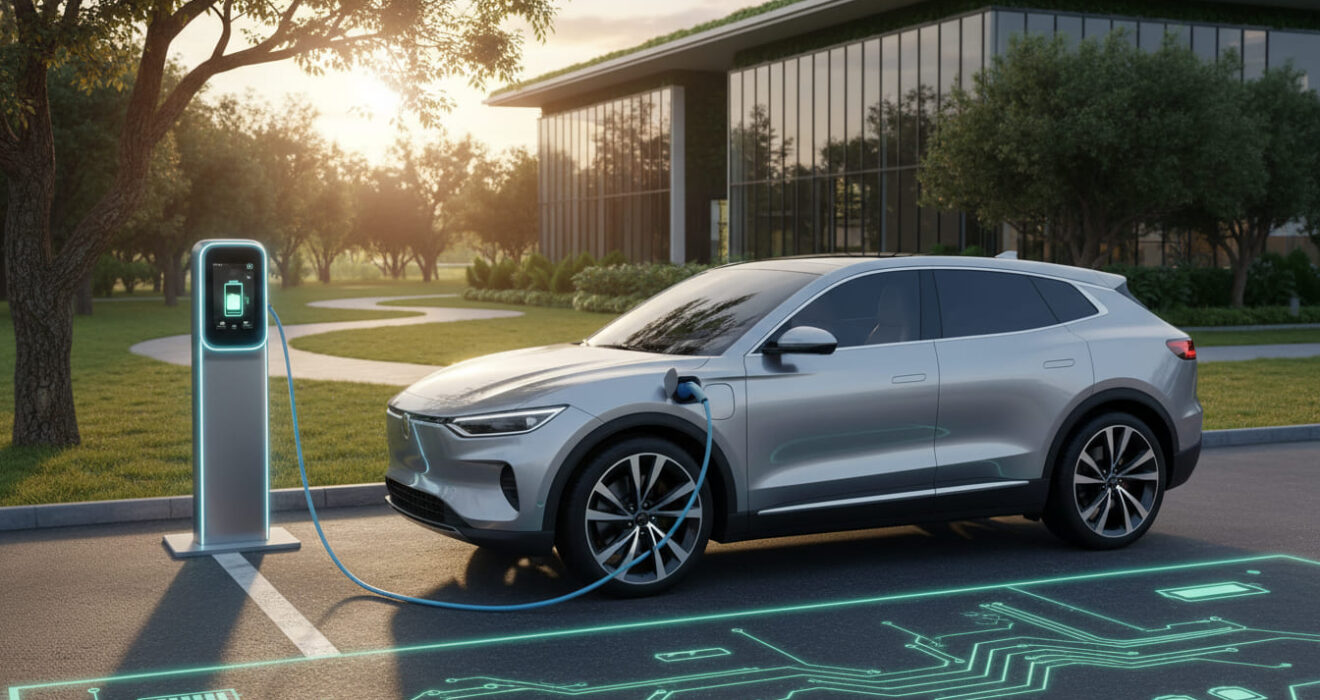
Electric Vehicle Charging Explained for Beginners
Electric Vehicle Charging Explained for Beginners
Electric vehicles are transforming the automotive industry and changing the way people think about transportation. As fuel prices continue to rise and environmental concerns become more serious, many drivers are switching to electric cars for cleaner and more efficient travel. However, beginners often feel confused about electric vehicle charging, charging stations, battery performance, and charging costs. Understanding these concepts is important before purchasing or driving an electric vehicle.
Electric vehicle charging refers to the process of supplying electricity to recharge the battery of an electric car. Unlike traditional vehicles that rely on petrol or diesel fuel, electric cars operate using rechargeable battery systems. Therefore, EV owners must understand how charging systems work to enjoy smooth and stress-free driving experiences.
In recent years, improvements in charging infrastructure and battery technology have made electric vehicle charging easier than ever before. Furthermore, governments and automotive companies are investing heavily in sustainable transportation and renewable energy solutions. As a result, electric vehicles are becoming more practical for everyday drivers around the world.
This complete beginner’s guide explains everything about electric vehicle charging, including charging levels, home charging systems, public charging stations, charging costs, battery maintenance, and future charging technologies.
What Is Electric Vehicle Charging?
Electric vehicle charging is the process of transferring electrical energy into an electric vehicle battery. After the battery stores this energy, the electric motor uses it to power the vehicle.
Traditional vehicles burn fuel inside internal combustion engines. In contrast, electric vehicles use rechargeable lithium-ion batteries for energy storage. Because of this difference, EV owners need charging stations instead of fuel pumps.
Charging an electric vehicle works similarly to charging electronic devices like smartphones or laptops. Nevertheless, EV charging systems are much more powerful and advanced. Modern charging equipment includes safety systems, smart monitoring features, and battery protection technologies.
Most electric vehicles can charge at home, workplaces, shopping centers, hotels, and highway charging stations. Consequently, drivers have multiple options for keeping their batteries charged.
How Electric Vehicle Charging Works
Electric vehicle charging involves several important components working together. These include:
- Charging station
- Charging cable
- Power supply
- Battery management system
- Electric vehicle battery
When the charging cable connects the charger to the vehicle, electricity flows into the battery system. Meanwhile, the battery management system controls the charging speed and protects the battery from overheating or overcharging.
There are two main types of electrical current used for EV charging:
Alternating Current Charging
Alternating current charging, also known as AC charging, is the most common charging method for home and public charging stations. In this system, the vehicle converts AC electricity into DC electricity before storing it inside the battery.
Although AC charging is slower, it works perfectly for overnight charging and regular commuting.
Direct Current Fast Charging
Direct current charging, commonly called DC fast charging, supplies electricity directly to the battery. Because it bypasses the onboard converter, charging becomes significantly faster.
For this reason, DC fast charging stations are commonly installed on highways and busy travel routes.
Types of Electric Vehicle Charging Levels
Electric vehicle charging systems are divided into three main levels. Each charging level offers different charging speeds and power outputs.
Level 1 Charging
Level 1 charging uses a standard household electrical outlet. Since it requires no special installation, beginners often start with this method.
Features of Level 1 Charging
- Uses regular home outlets
- Slow charging speed
- Suitable for overnight charging
- Convenient for short daily drives
Although Level 1 charging is simple, charging times can be lengthy for larger batteries.
Level 2 Charging
Level 2 charging is much faster and more efficient than Level 1 charging. Usually, this system requires a dedicated charging unit installed at home or available at public charging stations.
Features of Level 2 Charging
- Faster charging speeds
- Ideal for daily EV drivers
- Common in homes and workplaces
- Provides better convenience
As electric vehicle ownership grows, many homeowners are installing Level 2 chargers for quicker overnight charging.
DC Fast Charging
DC fast charging provides the quickest charging experience available today.
Features of DC Fast Charging
- Very rapid charging speeds
- Ideal for long-distance travel
- Found at highway charging stations
- Higher power delivery
In many cases, DC fast charging can recharge an EV battery from 20% to 80% within a short period.
Home Charging for Electric Vehicles
Home charging is one of the biggest advantages of owning an electric vehicle. Instead of visiting fuel stations regularly, drivers can charge their vehicles from home.
Benefits of Home Charging
Convenience
Drivers can plug in their vehicles overnight and wake up with a charged battery.
Lower Charging Costs
Electricity often costs less than gasoline or diesel fuel. Therefore, home charging can reduce transportation expenses.
Better Time Management
Home charging saves time because drivers avoid waiting at fuel stations.
Improved Battery Health
Slow overnight charging may help preserve long-term battery performance.
Installing a Home EV Charger
Installing a home EV charger requires proper electrical planning. In most cases, professional electricians install Level 2 charging equipment safely and correctly.
Several factors should be considered before installation:
- Electrical panel capacity
- Charging speed requirements
- Parking space location
- Safety regulations
- Weather protection
Additionally, many smart home chargers allow users to schedule charging sessions during lower electricity rate periods.
Public Charging Stations
Public charging stations are becoming increasingly common in cities, parking garages, shopping malls, hotels, and highways. These stations provide essential charging support for electric vehicle owners.
Public charging infrastructure is expanding rapidly because governments and private companies are investing heavily in sustainable transportation.
Types of Public Charging Stations
Standard Public Chargers
Most public chargers offer Level 2 charging suitable for several hours of parking.
Fast Charging Stations
Fast charging stations use DC charging technology for quicker battery charging during long trips.
Advantages of Public Charging
Public charging offers many benefits for electric vehicle drivers.
- Supports long-distance travel
- Reduces range anxiety
- Expands charging accessibility
- Encourages EV adoption
- Provides convenience during travel
Moreover, smartphone apps and navigation systems now help drivers locate nearby charging stations quickly.
Understanding EV Charging Connectors
Electric vehicles use charging connectors to connect with charging stations. Different countries and manufacturers may use different connector standards.
Common EV Charging Connectors
Type 1 Connector
This connector appears mainly in older electric vehicles.
Type 2 Connector
Many modern EVs use the Type 2 connector because it supports efficient AC charging.
CCS Connector
Combined Charging System connectors support both AC and DC fast charging.
CHAdeMO Connector
Some manufacturers use CHAdeMO connectors for rapid charging systems.
Fortunately, charging connector standardization is improving globally, making public charging more convenient.
Electric Vehicle Battery Technology
The battery is the heart of every electric vehicle. Battery technology directly affects charging speed, vehicle range, and overall performance.
Lithium-Ion Batteries
Most electric vehicles use lithium-ion batteries because they offer several advantages:
- High energy storage capacity
- Long battery lifespan
- Faster charging performance
- Improved driving efficiency
Battery capacity is measured in kilowatt-hours. Generally, larger battery capacities provide longer driving ranges.
Factors Affecting Charging Time
Charging times vary depending on several conditions.
Battery Size
Larger batteries require more electricity and longer charging periods.
Charging Level
Higher charging levels deliver electricity faster.
Charger Output
Powerful chargers reduce charging times significantly.
Weather Conditions
Extreme temperatures can affect charging efficiency and battery performance.
Battery Condition
Older batteries may charge differently compared to new batteries.
Consequently, charging times vary from one vehicle to another.
Electric Vehicle Charging Costs
Charging an electric vehicle is often cheaper than fueling traditional vehicles.
Factors Influencing Charging Costs
Several factors determine charging expenses:
- Electricity prices
- Charging location
- Charging speed
- Time of charging
- Public charging fees
Home charging usually remains the most affordable option for daily charging. On the other hand, fast public charging stations may cost more because of higher power delivery.
Additionally, some EV owners install solar panels to reduce electricity costs further.
Benefits of Electric Vehicle Charging
Electric vehicle charging provides numerous environmental and financial advantages.
Lower Environmental Impact
Electric vehicles produce fewer harmful emissions than gasoline vehicles.
Reduced Fuel Expenses
Electricity costs less than traditional fuels in many regions.
Cleaner Air Quality
Widespread EV adoption can improve air quality in urban areas.
Quiet Driving Experience
Electric motors operate more quietly than combustion engines.
Renewable Energy Support
Electric vehicle charging can integrate with renewable energy systems like solar and wind power.
Because of these advantages, electric vehicles are becoming increasingly popular worldwide.
Challenges of Electric Vehicle Charging
Despite rapid improvements, EV charging still faces certain challenges.
Limited Charging Infrastructure
Some areas still lack sufficient public charging stations.
Charging Speed Concerns
Charging takes longer than filling a fuel tank.
Range Anxiety
Drivers sometimes worry about battery range during long trips.
Initial Installation Costs
Installing home charging systems may require additional investment.
However, governments and automotive companies continue expanding charging infrastructure to address these concerns.
Smart Charging Technology
Smart charging systems are improving electric vehicle charging efficiency and convenience.
Features of Smart Charging
- Mobile app controls
- Remote monitoring
- Scheduled charging
- Energy usage tracking
- Battery optimization
For example, drivers can monitor charging progress using smartphone applications. Furthermore, smart charging systems help reduce electricity costs by scheduling charging during off-peak hours.
Some advanced charging systems can even communicate with electricity grids to balance energy demand.
Renewable Energy and EV Charging
Renewable energy is playing an increasingly important role in electric vehicle charging systems.
Solar power, wind energy, and hydroelectric energy can provide cleaner electricity for charging electric vehicles. Therefore, combining renewable energy with EV charging supports environmental sustainability.
Many homeowners now install solar panels alongside home charging stations. Consequently, they can charge their vehicles using clean energy generated at home.
Governments are also supporting green charging infrastructure powered by renewable electricity sources.
Future of Electric Vehicle Charging
The future of electric vehicle charging looks highly promising as technology continues advancing rapidly.
Faster Charging Technology
Future charging systems may reduce charging times dramatically.
Wireless Charging
Wireless charging technology could eliminate charging cables completely.
Expanded Charging Networks
More charging stations will improve accessibility for EV drivers worldwide.
Better Battery Technology
Improved batteries may offer longer range and enhanced durability.
Smart Energy Integration
Electric vehicles could become part of intelligent energy systems that support renewable electricity grids.
As innovation continues, electric vehicle charging will become more efficient, accessible, and user-friendly.
Tips for Beginner EV Owners
New electric vehicle owners can follow several helpful charging tips.
Charge Consistently
Regular charging helps maintain battery performance.
Avoid Frequent Full Discharges
Keeping some battery charge improves battery health.
Use Certified Chargers
Approved charging equipment ensures safety and reliability.
Plan Long Trips Carefully
Checking charging station locations before traveling reduces stress.
Protect Battery Life
Moderate charging habits may improve long-term battery performance.
Following these tips can improve the overall electric vehicle ownership experience.
Environmental Impact of Electric Vehicles
Electric vehicles contribute to cleaner transportation systems and reduced greenhouse gas emissions.
Unlike traditional vehicles, EVs do not release harmful exhaust emissions during driving. As a result, cities can experience cleaner air and reduced pollution levels.
Additionally, electric vehicle charging powered by renewable energy further reduces environmental impact. Consequently, governments are encouraging EV adoption through incentives and environmental policies.
Sustainable transportation is becoming essential for addressing climate change and protecting future generations.
FAQs
What is electric vehicle charging?
Electric vehicle charging is the process of supplying electricity to recharge an EV battery.
Can electric vehicles charge at home?
Yes, most electric vehicles can charge using home charging systems.
What is the fastest type of EV charging?
DC fast charging is currently the fastest EV charging option.
Is electric vehicle charging expensive?
Charging costs are often lower than gasoline expenses, especially with home charging.
How long does EV charging take?
Charging times depend on battery size, charger type, and charging level.
Are public charging stations increasing?
Yes, charging infrastructure is expanding rapidly worldwide.
Does weather affect EV charging?
Extreme weather conditions may influence charging efficiency and battery performance.
Conclusion
Electric vehicle charging is an essential part of modern sustainable transportation. As more people switch to electric cars, understanding EV charging becomes increasingly important for beginners.
Home charging systems, public charging stations, fast charging technology, and renewable energy integration are making electric vehicles more practical than ever before. Furthermore, improvements in battery technology and charging infrastructure continue to increase convenience for drivers.
Although challenges such as charging speed and infrastructure still exist, ongoing innovation is solving these issues rapidly. Consequently, electric vehicle ownership is becoming easier and more accessible worldwide.
Electric vehicle charging not only supports cleaner transportation but also contributes to environmental sustainability, reduced fuel costs, and improved air quality. Therefore, learning about EV charging helps beginners prepare for the future of modern transportation. for further information to read blogs.