
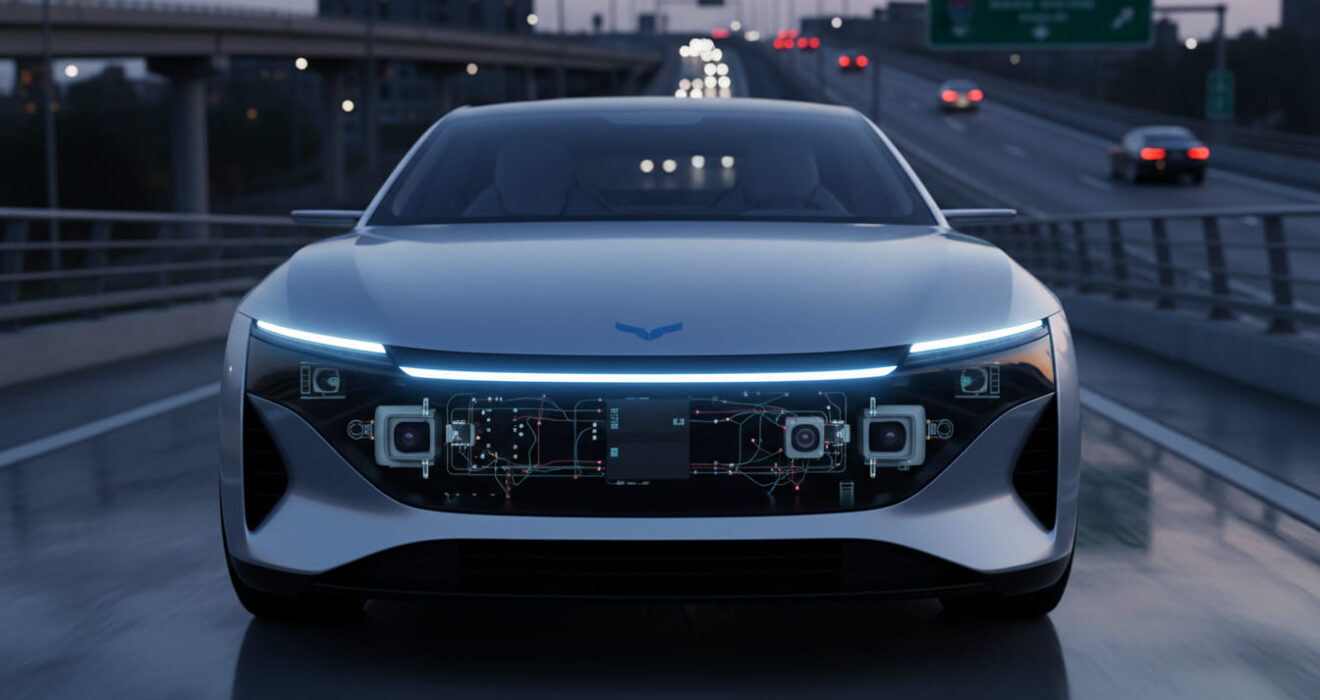
Modern Vehicle Safety Features That Save Lives
Modern Vehicle Safety Features That Save Lives
Modern vehicles are safer today than ever before because automotive companies continue to develop advanced car safety technologies that protect drivers, passengers, and pedestrians. Over the past decade, vehicle safety features have evolved from simple seat belts and airbags to intelligent systems powered by sensors, cameras, radar, and artificial intelligence. These innovations are helping reduce accidents, improve driver awareness, and save thousands of lives every year.
As roads become busier and traffic conditions more challenging, modern vehicle safety features are becoming essential for every driver. Whether someone owns a family SUV, luxury sedan, sports car, or electric vehicle, safety technologies now play a major role in the driving experience. Many of these systems work automatically in the background to prevent crashes before they happen.
Additionally, governments and automotive organizations worldwide are encouraging manufacturers to include advanced safety features in all modern vehicles. As a result, even affordable cars now come equipped with technologies that were once available only in premium luxury models.
This article explores the most important modern vehicle safety features that save lives, explains how they work, and highlights why they are shaping the future of automotive safety.
The Importance of Vehicle Safety Features
Vehicle safety features are designed to reduce the risk of accidents and protect occupants during collisions. These systems can assist drivers by detecting dangers, improving visibility, and responding faster than human reflexes in emergency situations.
Modern road conditions involve distracted driving, speeding, poor weather, and heavy traffic. Because of these challenges, safety technologies help reduce human error, which remains one of the leading causes of accidents worldwide.
Furthermore, modern safety systems improve driver confidence and make long-distance travel safer and less stressful. Families especially benefit from these features because they provide additional protection for children and passengers.
Automotive safety innovations also reduce repair costs, insurance claims, and injury-related expenses. Consequently, investing in vehicles with advanced safety features is both financially and practically beneficial.
Anti-Lock Braking System (ABS)
The Anti-Lock Braking System, commonly known as ABS, is one of the most important safety technologies in modern vehicles. This system prevents wheels from locking during sudden braking.
When drivers brake aggressively, locked wheels can cause vehicles to skid and lose steering control. ABS automatically adjusts brake pressure multiple times per second, allowing drivers to maintain control while stopping.
This technology is especially useful during rainy weather, slippery roads, and emergency situations. Additionally, ABS helps reduce stopping distances in many driving conditions.
Because of its effectiveness, ABS has become a standard feature in most modern cars worldwide.
Electronic Stability Control (ESC)
Electronic Stability Control is another life-saving vehicle safety feature. ESC helps drivers maintain control when a vehicle begins to slide or lose traction.
The system uses sensors to monitor steering direction and wheel movement. If the vehicle starts skidding, ESC automatically applies brakes to individual wheels and adjusts engine power to stabilize the car.
This technology is highly effective during sharp turns, wet roads, and sudden lane changes. Many experts consider ESC one of the most important advancements in automotive safety because it significantly reduces rollover accidents.
Moreover, ESC works silently in the background, often correcting dangerous situations before drivers even notice them.
Airbags and Advanced Airbag Systems
Airbags have saved millions of lives since their introduction in vehicles. Modern cars now include multiple airbags placed throughout the cabin to protect occupants during collisions.
Traditional airbags protected the driver and front passenger. However, modern vehicles now feature side airbags, curtain airbags, knee airbags, and rear-seat airbags.
Advanced airbag systems use sensors to determine crash severity, passenger size, and seating position. This allows airbags to deploy with the appropriate force for maximum protection.
Furthermore, some modern vehicles include pedestrian airbags designed to reduce injuries during external collisions.
Adaptive Cruise Control
Adaptive Cruise Control is an intelligent driving assistance system that automatically maintains a safe distance from vehicles ahead.
Unlike traditional cruise control, this modern technology uses radar and cameras to monitor traffic. If another vehicle slows down, the system automatically reduces speed. Once traffic clears, the car resumes its original speed.
This feature is especially helpful during highway driving and long road trips because it reduces driver fatigue.
Additionally, adaptive cruise control improves traffic flow and lowers the risk of rear-end collisions caused by distracted driving.
Automatic Emergency Braking (AEB)
Automatic Emergency Braking is one of the most important modern vehicle safety features available today. The system detects potential collisions and automatically applies the brakes if the driver fails to react in time.
Using sensors, radar, and cameras, AEB continuously monitors traffic conditions. If the system predicts an imminent crash, it warns the driver. If no action is taken, the vehicle automatically brakes to reduce impact severity or avoid the collision entirely.
This technology is extremely effective in city traffic where sudden stops are common. Furthermore, many vehicles now include pedestrian and cyclist detection for improved urban safety.
As a result, automatic emergency braking is becoming mandatory in many countries.
Lane Departure Warning and Lane Keeping Assist
Lane Departure Warning systems help drivers stay safely within their lane. Cameras monitor road markings and alert drivers if the vehicle begins drifting unintentionally.
Lane Keeping Assist goes a step further by automatically adjusting steering to guide the vehicle back into the lane.
These technologies are highly beneficial during long highway trips where fatigue or distractions may cause drivers to lose focus.
Moreover, lane assistance systems reduce the likelihood of side collisions and dangerous lane departure accidents.
Blind Spot Monitoring
Blind Spot Monitoring systems improve driver awareness by detecting vehicles located in difficult-to-see areas beside the car.
Sensors monitor adjacent lanes and alert drivers through warning lights, sounds, or steering wheel vibrations when another vehicle enters the blind spot.
This feature is especially useful in heavy traffic and during highway lane changes.
Additionally, some advanced systems can actively prevent unsafe lane changes by gently steering the vehicle back into its lane.
Rearview Cameras and Parking Sensors
Rearview cameras and parking sensors have become essential safety features in modern vehicles. These systems help drivers avoid obstacles while reversing or parking.
The rearview camera displays a live video feed behind the vehicle, improving visibility and reducing blind spots. Parking sensors provide audio alerts when the car gets too close to obstacles.
These technologies are particularly useful in crowded parking areas and urban environments.
Furthermore, rearview cameras help protect pedestrians and children who may be difficult to see behind larger vehicles.
Driver Attention Monitoring
Driver Attention Monitoring systems detect signs of drowsiness or distracted driving. These systems analyze steering patterns, braking behavior, and eye movements to determine whether the driver is losing focus.
If fatigue or distraction is detected, the vehicle provides visual or audio warnings encouraging the driver to take a break.
This technology is becoming increasingly important because driver fatigue is a major cause of highway accidents.
Additionally, some luxury vehicles now include advanced systems capable of detecting medical emergencies and stopping the vehicle safely.
Tire Pressure Monitoring System (TPMS)
Proper tire pressure is essential for safe driving. The Tire Pressure Monitoring System alerts drivers when tire pressure drops below safe levels.
Underinflated tires can increase stopping distances, reduce fuel efficiency, and raise the risk of tire blowouts.
By warning drivers early, TPMS helps prevent dangerous driving conditions and improves overall vehicle performance.
Moreover, maintaining correct tire pressure extends tire lifespan and reduces maintenance costs.
Night Vision Technology
Night Vision systems improve visibility during nighttime driving by using infrared cameras to detect pedestrians, animals, and obstacles beyond headlight range.
The system displays highlighted objects on the vehicle’s dashboard screen, giving drivers additional reaction time.
This technology is especially useful on dark rural roads where visibility is limited.
Although currently more common in luxury vehicles, night vision systems may become more affordable in the future.
360-Degree Camera Systems
Modern vehicles increasingly use 360-degree camera systems to provide a complete view around the car.
Multiple cameras combine images to create a bird’s-eye perspective displayed on the infotainment screen. This feature helps drivers maneuver safely in tight spaces.
Additionally, these systems reduce the risk of collisions with nearby objects, pedestrians, and other vehicles.
As urban parking spaces become smaller, 360-degree camera systems continue to grow in popularity.
Pedestrian Detection Systems
Pedestrian Detection technology uses cameras and radar to identify people crossing roads or walking near vehicles.
If the system detects a possible collision, it warns the driver and may automatically apply the brakes.
This feature is particularly valuable in busy cities where pedestrian traffic is high.
Furthermore, some advanced systems can also detect cyclists and animals for enhanced road safety.
The Role of Artificial Intelligence in Vehicle Safety
Artificial intelligence is transforming modern automotive safety systems. AI allows vehicles to analyze road conditions, recognize traffic patterns, and make real-time decisions faster than human drivers.
Self-driving technology, advanced driver assistance systems, and predictive safety tools all rely heavily on artificial intelligence.
As AI continues to improve, future vehicles may become capable of preventing most accidents entirely.
Additionally, connected vehicle technology will allow cars to communicate with each other and with traffic infrastructure for even safer driving experiences.
Benefits of Modern Vehicle Safety Features
Modern vehicle safety technologies provide numerous benefits for drivers and passengers. These systems reduce accident risks, improve confidence, and enhance overall driving comfort.
They also help lower insurance costs because vehicles with advanced safety features are often involved in fewer accidents.
Furthermore, families gain peace of mind knowing that their vehicles provide additional protection during daily commutes and long road trips.
Most importantly, these technologies save lives by preventing crashes and minimizing injuries during accidents.
FAQs
What are the most important vehicle safety features?
Some of the most important safety features include airbags, ABS, electronic stability control, automatic emergency braking, and lane keeping assist.
Do modern safety features really prevent accidents?
Yes, many advanced safety systems significantly reduce accident risks by assisting drivers and responding faster during emergencies.
Are safety features available in affordable cars?
Yes, many modern affordable vehicles now include important safety technologies such as ABS, rearview cameras, and automatic emergency braking.
What is the safest type of modern vehicle?
SUVs, sedans, and electric vehicles can all be very safe if they include advanced driver assistance and crash protection systems.
Can vehicle safety systems work in bad weather?
Most modern systems are designed to function in rain and moderate weather conditions, although extreme weather may reduce effectiveness.
Conclusion
Modern vehicle safety features are revolutionizing the automotive industry by making roads safer for everyone. Technologies such as automatic emergency braking, adaptive cruise control, blind spot monitoring, and electronic stability control are helping reduce accidents and save countless lives.
As automotive technology continues to advance, vehicles are becoming smarter, safer, and more capable of preventing dangerous situations before they occur. Artificial intelligence, connected vehicle systems, and future autonomous driving technologies will further improve road safety in the coming years.
For drivers, investing in a vehicle with advanced safety features is no longer just a luxury it is an important step toward safer and more confident driving. Whether commuting daily, traveling with family, or driving long distances, modern vehicle safety systems provide protection, convenience, and peace of mind for every journey. for further information to read blogs.