
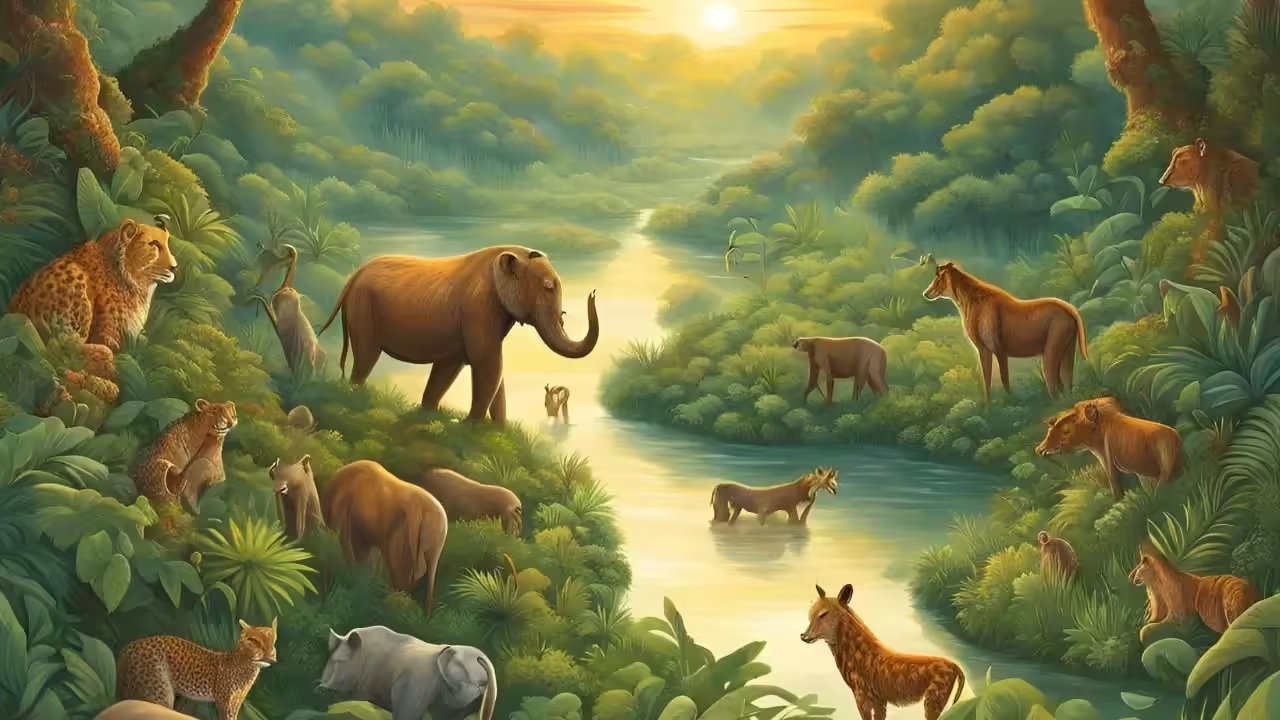
Animals: Importance, Types, and Role in Nature
Animals: Importance, Types, and Role in Nature
Animals are one of the most important parts of the natural world. They live in forests, oceans, deserts, mountains, and even alongside humans in cities and villages. From the smallest insects to the largest mammals, animals play a vital role in maintaining the balance of nature and supporting ecosystems around the world.
The diversity of animals is truly remarkable. Scientists estimate that millions of animal species exist on Earth, each contributing to the environment in unique ways. Some animals help pollinate plants, while others control pest populations, recycle nutrients, and maintain healthy ecosystems.
Understanding the importance of animals, the different types of animals, and their role in nature helps us appreciate their value and encourages us to protect wildlife and natural habitats. In this article, we will explore the major categories of animals, their significance in ecosystems, and why conserving animal species is essential for the future of our planet.
Importance of Animals in Nature
Animals are essential for maintaining ecological balance and supporting life on Earth. Their presence in different ecosystems helps keep nature functioning smoothly.
1. Maintaining Ecosystem Balance
One of the most important roles of animals in nature is maintaining the balance of ecosystems. Every animal species plays a specific role in the food chain.
For example:
Predators control the population of herbivores.
Herbivores prevent plants from overgrowing.
Decomposers break down dead organic matter.
This balance ensures that no species becomes too dominant and that ecosystems remain stable.
2. Pollination and Plant Growth
Many animals contribute to plant reproduction through pollination. Bees, butterflies, birds, and bats carry pollen from one flower to another, allowing plants to produce fruits and seeds.
Without animal pollinators, many crops and wild plants would struggle to survive. This would affect food production and biodiversity worldwide.
3. Seed Dispersal
Animals help spread plant seeds across large distances. Birds, monkeys, elephants, and other animals eat fruits and later drop or excrete seeds in different locations.
This natural process helps plants grow in new areas and supports the expansion of forests and natural vegetation.
4. Nutrient Recycling
Animals contribute to nutrient recycling in ecosystems. When animals die or produce waste, decomposers such as insects, fungi, and bacteria break down the organic matter.
This process returns nutrients to the soil, helping plants grow and maintaining soil fertility.
5. Supporting Human Life
Animals also play an important role in human life. They provide food, clothing, transportation, and companionship.
For example:
Livestock animals provide milk, meat, and eggs.
Working animals assist in farming and transportation.
Pets provide emotional support and companionship.
Because of their importance, humans have depended on animals for thousands of years.
Types of Animals
Animals can be classified into different categories based on their physical characteristics, habitats, and biological structure. The two main groups are vertebrates and invertebrates.
1. Vertebrates
Vertebrates are animals that have a backbone or spinal column. They are usually more complex and have well-developed organ systems.
Mammals
Mammals are warm-blooded animals that give birth to live young and feed them with milk.
Examples include:
Lions
Elephants
Dogs
Whales
Humans
Mammals are known for their intelligence, strong parental care, and adaptability.
Birds
Birds are animals that have feathers, wings, and the ability to lay eggs. Most birds can fly, although some species such as penguins and ostriches cannot.
Birds play an important role in seed dispersal and pest control.
Fish
Fish are aquatic animals that live in water and breathe through gills. They are found in oceans, rivers, lakes, and ponds.
Fish are an important source of food for humans and other animals.
Reptiles
Reptiles are cold-blooded animals that usually have dry, scaly skin.
Examples include:
Snakes
Lizards
Crocodiles
Turtles
Most reptiles lay eggs and live in warm environments.
Amphibians
Amphibians are animals that can live both in water and on land. They usually start life in water and later develop the ability to live on land.
Examples include frogs, salamanders, and toads.
Amphibians are important indicators of environmental health because they are sensitive to pollution and climate changes.
2. Invertebrates
Invertebrates are animals that do not have a backbone. They make up more than 95 percent of all animal species on Earth.
Insects
Insects are the largest group of animals. They include species such as ants, bees, butterflies, and beetles.
Many insects help pollinate plants and decompose organic matter.
Mollusks
Mollusks include animals such as snails, octopuses, clams, and squids. Many mollusks live in oceans and freshwater environments.
Arthropods
Arthropods include spiders, crabs, and lobsters. They have jointed legs and hard outer shells called exoskeletons.
Worms
Worms are simple animals that live in soil or water. Earthworms play an important role in improving soil fertility.
Role of Animals in the Food Chain
Animals are key components of the food chain, which describes how energy flows through ecosystems.
The food chain usually includes three main groups:
Producers
Plants and algae produce energy through photosynthesis.
Consumers
Animals that eat plants or other animals are called consumers. These include:
Herbivores (plant eaters)
Carnivores (meat eaters)
Omnivores (eat both plants and animals)
Decomposers
Decomposers break down dead plants and animals and return nutrients to the soil.
Without animals, the food chain would collapse, and ecosystems would not survive.
Role of Animals in Biodiversity
Animals contribute to biodiversity, which refers to the variety of life on Earth.
High biodiversity helps ecosystems remain stable and resilient. Different animal species perform unique ecological functions, such as:
Pollination
Pest control
Soil improvement
Nutrient recycling
Protecting animal biodiversity is essential for maintaining healthy ecosystems and ensuring environmental sustainability.
Threats to Animal Life
Unfortunately, many animal species face serious threats due to human activities.
Habitat Destruction
Deforestation, urban expansion, and agriculture destroy natural habitats, forcing animals to migrate or face extinction.
Climate Change
Rising temperatures and changing weather patterns affect animal habitats and food sources.
Pollution
Air, water, and soil pollution harm animals and disrupt ecosystems.
Illegal Wildlife Trade
Many animals are hunted or captured illegally for their skins, horns, or as exotic pets.
Protecting animals requires strong conservation efforts and responsible human behavior.
Animal Conservation and Protection
Conserving animal species is essential for maintaining ecological balance and protecting biodiversity.
Some important conservation efforts include:
Establishing national parks and wildlife reserves
Protecting endangered species
Reducing pollution and habitat destruction
Promoting environmental education
Supporting sustainable development
Governments, organizations, and individuals all play a role in protecting animals and preserving nature.
Frequently Asked Questions (FAQs)
1. Why are animals important in nature?
Animals are important because they maintain ecosystem balance, support plant growth, and contribute to biodiversity. They also play key roles in food chains and nutrient cycles.
2. What are the main types of animals?
Animals are mainly classified into vertebrates and invertebrates. Vertebrates include mammals, birds, fish, reptiles, and amphibians, while invertebrates include insects, worms, and mollusks.
3. How do animals help the environment?
Animals help the environment through pollination, seed dispersal, pest control, and nutrient recycling. These processes help ecosystems function properly.
4. What threatens animal populations?
Major threats to animals include habitat destruction, climate change, pollution, illegal hunting, and wildlife trade.
5. How can humans help protect animals?
Humans can protect animals by conserving natural habitats, reducing pollution, supporting wildlife conservation programs, and spreading awareness about environmental protection.
Conclusion
Animals are an essential part of the natural world and play a critical role in maintaining ecological balance. From supporting plant growth and pollination to controlling populations and recycling nutrients, animals contribute to healthy ecosystems in countless ways.
Understanding the importance of animals, their types, and their role in nature helps us recognize the need to protect wildlife and preserve biodiversity. As human activities continue to impact the environment, it becomes increasingly important to adopt sustainable practices and support conservation efforts. for further information to read blogs.