
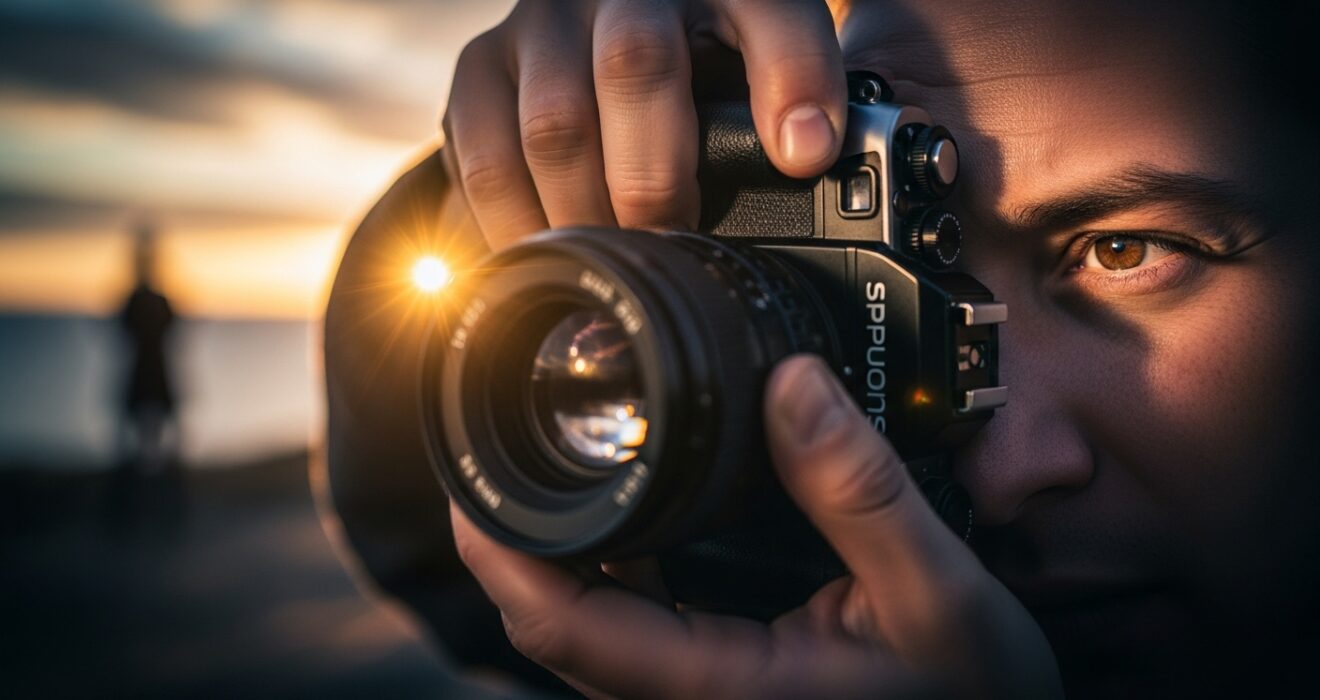
Art photography: Capturing Vision & Emotion
Art photography transcends mere documentation; it is a profound medium through which artists convey ideas, emotions, and personal interpretations of the world. Unlike commercial or journalistic photography, its primary purpose is not to sell a product or report an event. Instead, art photography aims to evoke a response, provoke thought, or simply offer an aesthetic experience. Consequently, it often pushes boundaries, challenging viewers to see familiar subjects in new and unconventional ways. Indeed, understanding this distinction is crucial for anyone looking to delve into this captivating field.
What is Art photography? Defining a Creative Medium
Defining art photography can be complex, as its nature is inherently subjective and expansive. Fundamentally, it involves using the photographic medium to create images considered works of fine art. This means the photographer’s intent is paramount; the image serves as a vehicle for personal expression, conceptual exploration, or aesthetic pursuit. Therefore, the artistic vision takes precedence over strict technical perfection or literal representation.
Beyond Documentation: The Purpose of Art Photography
The core purpose of art photography extends far beyond simply recording reality. Photographers in this genre often seek to explore philosophical questions, societal issues, or the depths of human emotion. For instance, a landscape photograph might not just show a beautiful vista, but rather convey feelings of solitude, awe, or environmental concern. Similarly, a portrait could delve into the subject’s inner world, revealing vulnerabilities or strengths. Ultimately, the goal is to create a dialogue between the artwork and the viewer, inviting contemplation and personal reflection.
Distinguishing Art Photography from Commercial Work
While both commercial and art photography utilize cameras and lenses, their objectives diverge significantly. Commercial photography serves a client’s specific needs, typically to promote a product, service, or brand. Its success is measured by its effectiveness in achieving marketing goals. Conversely, art photography is driven by the artist’s personal vision and creative impulse. There are no external briefs or marketing objectives to fulfill. Thus, the freedom to experiment with form, content, and technique is much greater in the realm of fine art. Furthermore, the audience for commercial work is often broad, whereas art photography may appeal to a more niche audience, including collectors, galleries, and art enthusiasts.
A Brief History of Art photography: From Pictorialism to Postmodernism
The journey of art photography is rich and varied, mirroring the broader evolution of art itself. From its nascent stages, photographers grappled with establishing photography as a legitimate art form, rather than merely a scientific or technical process. This struggle shaped many early movements and continues to influence contemporary practices.
Early Pioneers and Their Vision
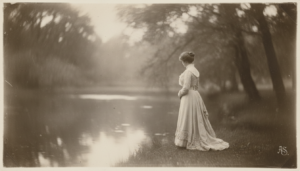
In the late 19th and early 20th centuries, the Pictorialist movement emerged as a significant force. Photographers like Alfred Stieglitz, Edward Steichen, and Gertrude Käsebier sought to emulate painting, using soft focus, manipulated negatives, and atmospheric effects to imbue their images with artistic sensibility. They believed photography could convey emotion and beauty, challenging the prevailing view that it was a purely mechanical process. Consequently, their efforts laid foundational groundwork for photography’s acceptance into the art world. Their work often featured romanticized landscapes, allegorical scenes, and expressive portraits, emphasizing mood over sharp detail.
The Modernist Movement and Straight Photography
Following Pictorialism, a counter-movement known as
Conclusion
Art photography is a dynamic and evolving field that offers boundless opportunities for creative expression. It challenges perceptions, evokes emotions, and contributes significantly to the broader world of art. By understanding its history, embracing diverse techniques, and cultivating a unique artistic vision, photographers can create impactful and resonant work. Ultimately, the power of art photography lies in its ability to transform the ordinary into the extraordinary, inviting viewers into a deeper engagement with both the image and the ideas it represents. Therefore, continued exploration and experimentation remain key to its enduring appeal and relevance.
Frequently Asked Questions (FAQ)
Q1: What is the main difference between art photography and commercial photography?
A1: The primary distinction lies in intent. Art photography is driven by the artist’s personal vision, expression, and aesthetic goals, aiming to evoke emotion or thought. Commercial photography, however, serves a client’s marketing objectives, focusing on promoting products or services.
Q2: Do I need expensive equipment to create art photography?
A2: Not necessarily. While professional equipment can offer more control and higher fidelity, the artistic vision and conceptual strength are far more crucial than the gear itself. Many renowned art photographers have created iconic works with relatively simple cameras. Focus on developing your eye and understanding principles of composition, light, and storytelling.
Q3: How can I develop my unique style in art photography?
A3: Developing a unique style involves a combination of self-reflection, experimentation, and consistent practice. Explore different genres, techniques, and subjects. Analyze the work of artists you admire, but always strive to infuse your own perspective and experiences. Reflect on what truly interests you and what messages you want to convey; this introspection will naturally lead to a more distinctive artistic voice.