Digital Art Trends: Shaping the Future of Creativity
The landscape of modern creativity is shifting rapidly. Digital art trends reflect the intersection of human imagination and technological innovation. Today, artists have access to tools that were once considered science fiction. Consequently, the boundaries between reality and digital creation are blurring. In addition, the way we consume and value art is undergoing a massive transformation. This evolution is driven by both software advancements and cultural shifts. Therefore, staying updated on these changes is essential for any professional creator.
The Influence of Artificial Intelligence on Digital Art Trends
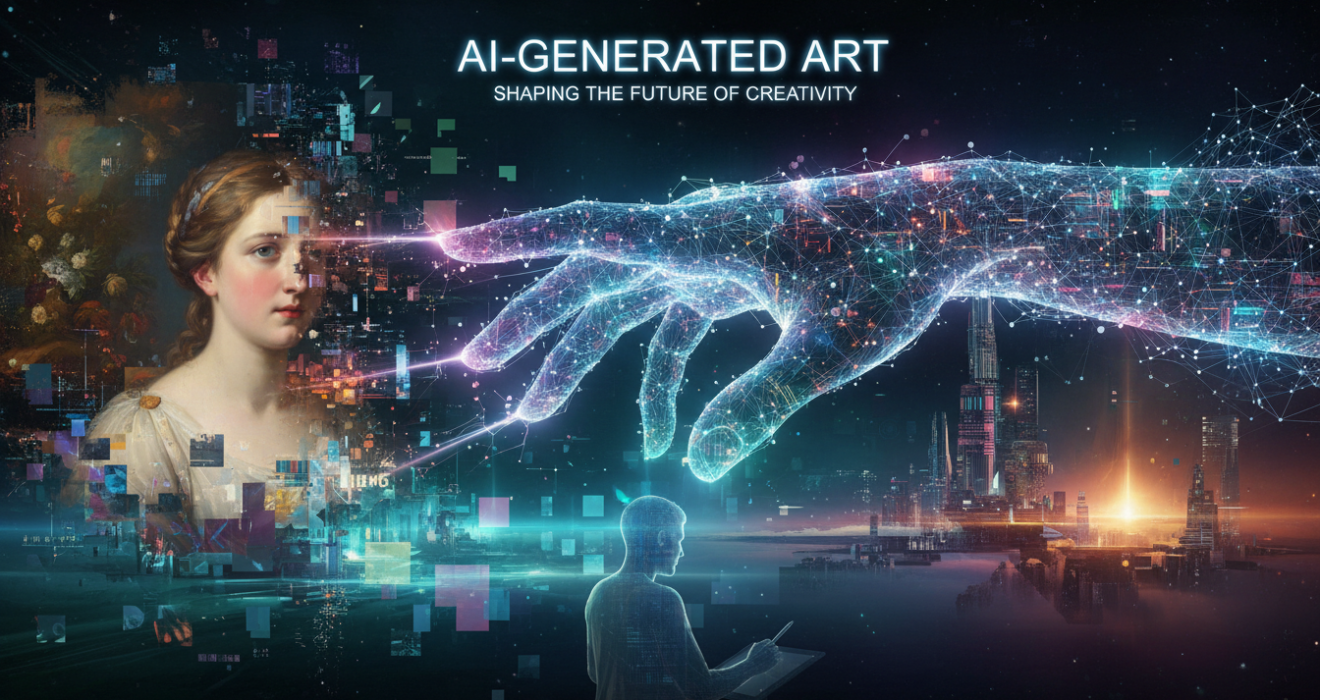
Artificial intelligence is perhaps the most significant factor driving current digital art trends. Tools such as Midjourney and Stable Diffusion have democratized the creation of complex imagery. Therefore, even individuals without traditional training can generate stunning visuals. However, this shift has sparked intense debate within the creative community. Many professional illustrators worry about copyright and the devaluation of manual skill. Consequently, the industry is seeking a balance between automation and human touch.
Furthermore, AI is not just about generating images from scratch. It also assists in enhancing professional workflows. For example, AI-powered upscaling and denoising are now standard in professional pipelines. Thus, the technology acts as a powerful assistant rather than just a replacement. Artists who embrace these digital art trends often find themselves more productive. Specifically, generative fill tools allow for rapid iterations during the conceptual phase. In addition, AI can help in color grading and texture generation. This allows artists to focus more on the narrative and composition of their work. Ultimately, the synergy between human intent and machine execution is defining a new era of expression.
The Ethics of Generative Algorithms
As AI becomes more prevalent, ethical considerations are moving to the forefront. Specifically, the training data used for these models is a point of contention. Many artists argue that their work was used without consent. Consequently, new platforms are emerging that prioritize ethical data sourcing. Furthermore, the concept of authorship is being redefined in the digital age. Therefore, legal frameworks are struggling to keep pace with technological speed. In contrast, some creators view AI as a collaborative partner. They believe it opens doors to entirely new forms of surrealism. Regardless of the stance, AI remains a dominant force in digital art trends today.
The Expansion of Virtual and Augmented Reality
Immersive technology is redefining how we experience art. Virtual Reality (VR) allows creators to build three-dimensional worlds that viewers can enter. Specifically, platforms like Tilt Brush enable artists to paint in a 360-degree space. Consequently, the canvas is no longer a flat surface. In addition, Augmented Reality (AR) is bringing digital art into the physical world. For instance, mobile apps can overlay digital sculptures onto city streets. This trend has transformed marketing and public installations alike.

Furthermore, galleries are increasingly using AR to provide deeper context for their exhibits. Therefore, viewers can interact with the art in real-time. This interactivity is a key component of modern digital art trends. It bridges the gap between the viewer and the creator. Moreover, spatial computing is making these experiences more seamless than ever. As hardware becomes lighter and more affordable, immersive art will become mainstream. Consequently, we can expect to see more interactive storytelling in the near future. Thus, the digital and physical realms are becoming increasingly intertwined.
Spatial Design and 3D Sculpting
Within the VR space, 3D sculpting has become more intuitive. Instead of using a mouse and keyboard, artists use their hands to mold digital clay. Consequently, the process feels more organic and tactile. Furthermore, this method allows for a better understanding of scale and proportion. Therefore, it is becoming a favorite tool for character designers in the gaming industry. In addition, these spatial tools are being used for architectural visualization. This allows clients to walk through a building before it is even constructed. Notably, these digital art trends are saving time and reducing costs in professional environments.
The Resurgence of Retro and Glitch Aesthetics
While technology moves forward, many artists are looking back. Retro aesthetics, such as pixel art and vaporwave, are experiencing a massive revival. This trend is driven by nostalgia for the 80s and 90s. Specifically, the “glitch art” movement celebrates the beauty of digital errors. Consequently, artists intentionally introduce artifacts and distorted textures into their work. Furthermore, this style contrasts sharply with the polished look of modern CGI. Therefore, it offers a unique, raw energy that appeals to younger generations.
In addition, these digital art trends are highly visible in music videos and social media branding. Many brands use retro filters to create a sense of authenticity. Moreover, pixel art has moved beyond video games into high-end digital illustration. This proves that technical limitations can often lead to creative breakthroughs. Similarly, the use of limited color palettes is a growing trend. This minimalist approach focuses on form and silhouette rather than complex shading. Consequently, the result is often more iconic and memorable. Thus, the past continues to inform the future of digital design.
3D Art and the Quest for Hyper-Realism
The power of modern hardware has pushed 3D art to new heights. Hyper-realism is a major focus for many digital creators today. Specifically, advancements in ray tracing allow for incredibly realistic lighting and reflections. Consequently, digital environments can look indistinguishable from photographs. Moreover, software like Unreal Engine 5 has made high-fidelity rendering accessible to independent creators. Therefore, we see a rise in high-quality indie games and short films.
In addition, procedural generation is being used to create vast, detailed landscapes. These digital art trends are essential for the growth of the metaverse and virtual cinema. For instance, digital humans are now capable of expressing complex emotions. This has huge implications for the film and advertising industries. Furthermore, the use of photogrammetry allows artists to scan real-world objects into 3D models. Consequently, the level of detail in digital scenes is unprecedented. Thus, the quest for realism continues to push the boundaries of what is possible.
The Role of Blockchain and Digital Ownership
Despite market fluctuations, blockchain remains a core part of digital art trends. Non-fungible tokens (NFTs) have introduced the concept of digital scarcity. Consequently, digital artists can now sell their work as unique assets. Furthermore, smart contracts allow for automatic royalty payments on secondary sales. Therefore, artists can maintain a sustainable income over time. However, the environmental impact of certain blockchains remains a concern.
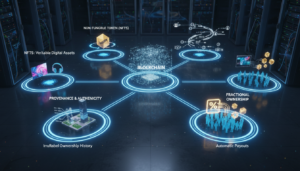
In response, many creators are moving to “green” platforms like Tezos or Polygon. Thus, the conversation around digital art trends is increasingly focused on sustainability. Moreover, blockchain technology provides a transparent way to track provenance. This is crucial in an era where digital files can be easily copied. In addition, decentralized autonomous organizations (DAOs) are funding new artistic projects. Consequently, the community has more power over the direction of the art world. Therefore, the financial and social structures of art are being rebuilt on the blockchain.
Minimalist Design and Functional Art
In a world of visual noise, minimalism offers a refreshing change. This trend emphasizes clean lines, limited color palettes, and negative space. Specifically, digital illustrators are drawing inspiration from mid-century modern design. Consequently, their work feels timeless and sophisticated. Furthermore, this approach is highly effective for user interface (UI) design. Therefore, functional art is becoming just as important as purely decorative pieces.
In addition, minimalist digital art trends are popular in corporate branding and web design. A clean aesthetic often translates to better usability. Moreover, it allows the core message to stand out without distraction. Specifically, the use of bold typography and flat icons is a staple of this style. Consequently, the design feels modern and professional. Thus, minimalism remains a powerful tool for visual communication in the digital age.
Collaborative Platforms and Community Growth
Digital art is no longer a solitary pursuit. Online communities on Discord and Twitch have made collaboration easier than ever. Consequently, artists from different parts of the world can work on a single project simultaneously. Furthermore, social media platforms allow for instant feedback and growth. Therefore, the “community-driven” model is a major aspect of current digital art trends. Specifically, open-source projects and shared asset libraries are empowering new creators.
Thus, the barriers to entry are lower than they have ever been. Artists can share their process in real-time through live streaming. This transparency builds a deeper connection with the audience. In addition, collaborative challenges like “Inktober” or “Daily Render” encourage consistent practice. Consequently, the overall skill level of the community is rising rapidly. Moreover, these platforms provide a sense of belonging for isolated creators. Therefore, the social aspect of digital art is just as important as the technical side.
Conclusion
In summary, digital art trends are being shaped by a unique blend of technological innovation and cultural nostalgia. From the disruptive power of artificial intelligence to the immersive possibilities of VR and AR, the tools available to creators are more diverse than ever. While challenges regarding ethics and sustainability remain, the overall trajectory of the industry is one of growth and democratization. Furthermore, the rise of collaborative communities and blockchain-based ownership ensures that artists have more control over their careers. As we look forward, the integration of these trends will continue to push the boundaries of human expression. Ultimately, the future of digital art lies in the hands of those who are willing to experiment, adapt, and innovate in this ever-changing landscape.
Frequently Asked Questions (FAQ)
How is AI changing the job market for digital artists?
AI is currently acting as a double-edged sword. While it automates repetitive tasks and speeds up the conceptual phase, it also creates competition for entry-level illustration roles. Consequently, artists are encouraged to focus on high-level creative direction and unique storytelling, which machines cannot yet replicate.
Are NFTs still a relevant part of digital art trends?
Yes, although the initial hype has subsided, the underlying technology remains highly relevant. Blockchain provides a secure method for verifying ownership and ensuring artists receive royalties. Therefore, many professional creators continue to use NFTs as a way to monetize their digital portfolios in a decentralized manner.
What software is best for keeping up with 3D art trends?
Currently, Blender and Unreal Engine 5 are the leading tools for 3D creators. Blender offers a comprehensive, open-source suite for modeling and animation, while Unreal Engine 5 provides industry-leading real-time rendering capabilities. Consequently, mastering these tools is essential for anyone looking to enter the field of high-end digital art.