
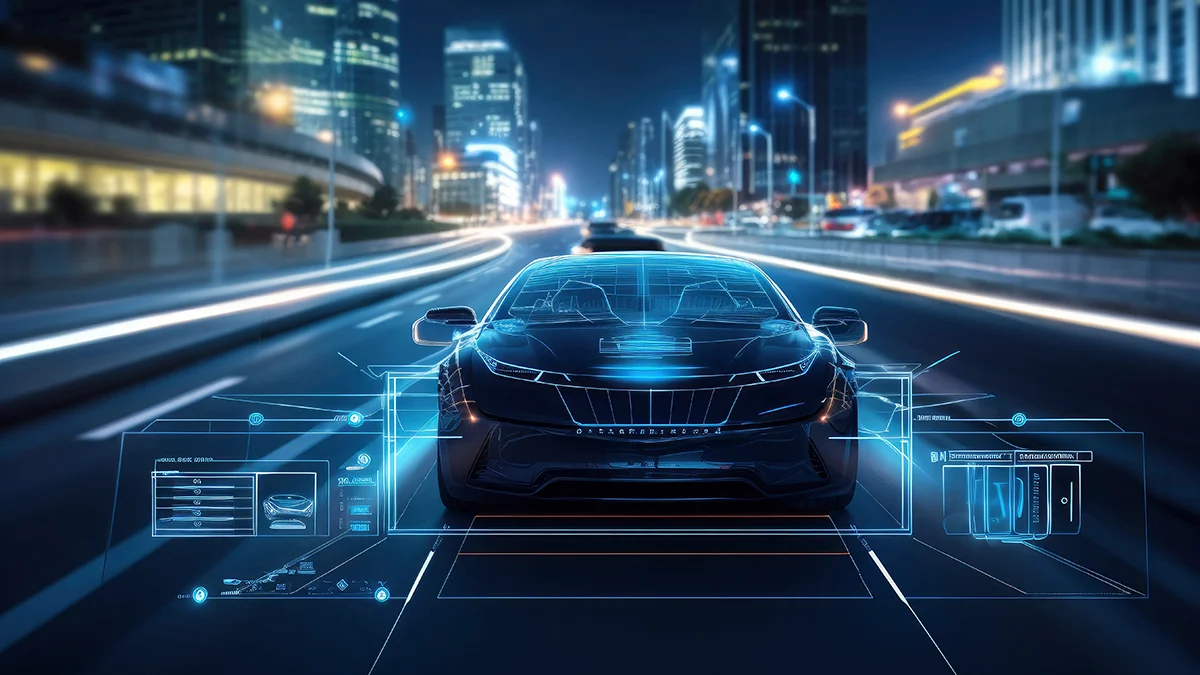
Electric Cars: The Future of Sustainable Transportation
Electric Cars: The Future of Sustainable Transportation
Electric cars (EVs) are transforming the way we think about transportation. As concerns over climate change, air pollution, and fossil fuel dependence grow, electric vehicles have emerged as a clean, sustainable alternative to traditional gasoline-powered cars. Unlike conventional vehicles, EVs run on electricity stored in batteries, producing zero tailpipe emissions and reducing greenhouse gases that contribute to global warming.
The rise of electric cars is not just a technological shift—it represents a movement toward sustainable transportation. Governments, companies, and consumers worldwide are embracing EVs to reduce environmental impact, improve energy efficiency, and support a cleaner future. Leading automakers like Tesla, Inc., Nissan, and BMW have developed advanced EVs, while traditional manufacturers such as Ford Motor Company and General Motors are rapidly expanding their electric vehicle lineups.
In this article, we will explore the benefits of electric cars, their technology, challenges, market trends, and why they are essential for a sustainable future. We will also provide calculations to illustrate energy savings and cost efficiency, as well as FAQs to answer common questions about EVs.
What Are Electric Cars?
Electric cars are vehicles powered entirely or partially by electricity stored in rechargeable batteries. They differ from traditional internal combustion engine (ICE) cars, which rely on gasoline or diesel fuel.
Types of Electric Vehicles
Battery Electric Vehicles (BEVs): Fully electric cars with no gasoline engine. Example: Tesla Model 3.
Plug-in Hybrid Electric Vehicles (PHEVs): Combine a gasoline engine with an electric motor. Example: Toyota Prius Prime.
Hybrid Electric Vehicles (HEVs): Primarily gasoline-powered but include an electric motor for efficiency. Example: Honda Insight.
EVs are equipped with electric motors, regenerative braking systems, and advanced battery management systems to optimize energy efficiency.
Benefits of Electric Cars
Electric cars offer numerous advantages, making them increasingly attractive to consumers and governments worldwide.
1. Environmental Benefits
The most significant advantage of electric cars is their low environmental impact:
Zero tailpipe emissions: EVs do not release carbon dioxide (CO₂), nitrogen oxides (NOx), or particulate matter, reducing air pollution.
Reduced greenhouse gases: EVs powered by renewable energy sources, such as solar or wind, significantly lower carbon footprints.
Calculation Example:
Average gasoline car emits ~404 g CO₂ per mile. Driving 12,000 miles/year:
404 g/mile×12,000 miles=4,848,000 g CO₂/year≈4.85 tons/year404 \text{ g/mile} \times 12,000 \text{ miles} = 4,848,000 \text{ g CO₂/year} \approx 4.85 \text{ tons/year}
An electric car powered by renewable energy can cut nearly all of this emission.
2. Lower Operating Costs
Electric cars are cheaper to operate than gasoline vehicles:
Electricity vs. gasoline: EVs cost less per mile to run.
Maintenance savings: Fewer moving parts reduce maintenance costs (no oil changes, fewer brake replacements).
Example Calculation:
Assume EV consumes 30 kWh/100 miles; electricity cost $0.13/kWh:
30 kWh×$0.13=$3.90/100 miles30 \text{ kWh} \times \$0.13 = \$3.90/100 \text{ miles}
Gasoline car with 25 MPG, fuel $4/gallon:
100 miles/25 MPG=4 gallons×$4=$16/100 miles100 \text{ miles} / 25 \text{ MPG} = 4 \text{ gallons} \times \$4 = \$16/100 \text{ miles}
Savings: $16 – $3.90 = $12.10 per 100 miles (~75% cheaper).
3. Energy Efficiency
Electric motors convert over 85% of electrical energy into motion, compared to ~25–30% efficiency of gasoline engines. This makes EVs highly energy-efficient and environmentally friendly.
4. Reduced Noise Pollution
Electric cars are quieter than traditional vehicles, especially at low speeds, reducing urban noise pollution.
5. Incentives and Tax Benefits
Many governments offer incentives for EV purchases, such as:
Tax credits (e.g., $7,500 in the U.S.)
Reduced registration fees
Access to carpool lanes
Discounts on electricity or charging infrastructure
These benefits make EVs financially attractive to consumers.
Popular Electric Cars on the Market
Several electric cars are now widely available, offering different ranges, styles, and price points.
| Model | Type | Range (miles) | Price (USD) | Manufacturer |
|---|---|---|---|---|
| Tesla Model 3 | BEV | 272–358 | 43,000 | Tesla, Inc. |
| Nissan Leaf | BEV | 149–226 | 28,000 | Nissan |
| Chevrolet Bolt EV | BEV | 259 | 31,000 | General Motors |
| Ford Mustang Mach-E | BEV | 247–314 | 44,000 | Ford Motor Company |
| BMW i4 | BEV | 245–301 | 55,000 | BMW |
Technology Behind Electric Cars
Electric vehicles rely on several advanced technologies:
1. Batteries
Modern EVs use lithium-ion batteries, providing high energy density and long life. Battery capacity determines the vehicle’s range.
2. Regenerative Braking
EVs recover energy during braking and store it in the battery, increasing efficiency and extending driving range.
3. Electric Motors
Electric motors provide instant torque, smooth acceleration, and higher energy efficiency compared to internal combustion engines.
4. Charging Infrastructure
Charging options include:
Level 1: Standard home outlet, slow charging (4–5 mph).
Level 2: Dedicated EV charger, faster charging (20–30 mph).
DC Fast Charging: Rapid charging stations, 80% charge in 30–45 minutes.
Challenges Facing Electric Cars
Despite their advantages, EVs face certain challenges:
1. Limited Range
Battery capacity limits driving distance. While high-end models offer 300+ miles, lower-cost EVs may only reach 150–200 miles per charge.
2. Charging Infrastructure
Availability of charging stations varies by region. Expanding infrastructure is crucial for widespread adoption.
3. Initial Cost
EVs often have higher upfront costs compared to gasoline cars, though savings over time offset this.
4. Battery Disposal and Recycling
Used batteries require careful disposal or recycling to avoid environmental harm.
The Future of Electric Cars
Electric cars are expected to dominate the future of transportation:
Global EV sales projected to exceed 30 million units by 2030.
Battery technology is improving, reducing cost and increasing range.
Governments worldwide are setting targets to phase out gasoline vehicles.
Advances in renewable energy will further increase the sustainability of EVs by powering them with clean electricity.
FAQs About Electric Cars
1. How far can an electric car go on a single charge?
Most modern EVs travel 150–350 miles on a full charge. High-end models like Tesla can reach over 350 miles.
2. How long does it take to charge an electric car?
Level 1: 8–20 hours
Level 2: 4–8 hours
DC Fast Charging: 30–45 minutes to 80%
3. Are electric cars cheaper to maintain?
Yes. EVs have fewer moving parts, no oil changes, and lower wear on brakes, reducing maintenance costs.
4. Are EVs environmentally friendly?
Yes. They produce zero tailpipe emissions, and when charged with renewable energy, they drastically reduce carbon footprints.
5. Can electric cars replace gasoline cars completely?
With advances in battery technology and charging infrastructure, EVs are on track to replace most gasoline vehicles over the next few decades.
Calculation Example: Cost Savings Over 5 Years
Assume driving 12,000 miles/year:
Gas car: 25 MPG, $4/gallon → $1,920/year in fuel
EV: 30 kWh/100 miles, $0.13/kWh → $468/year in electricity
5-year fuel savings:
$1,920−$468=$1,452 saved in 5 years\$1,920 – \$468 = \$1,452 \text{ saved in 5 years}
Including lower maintenance (~$500–$1,000 saved), total 5-year savings ~$2,000–$2,500 per EV.
Conclusion
Electric cars are more than just vehicles they represent a shift toward sustainable transportation. With zero emissions, lower operating costs, and advanced technology, EVs address many environmental and economic challenges of traditional gasoline vehicles.
While challenges remain such as range limitations and charging infrastructure rapid technological progress, supportive government policies, and increased consumer awareness are accelerating EV adoption worldwide. for further information to read blogs.