
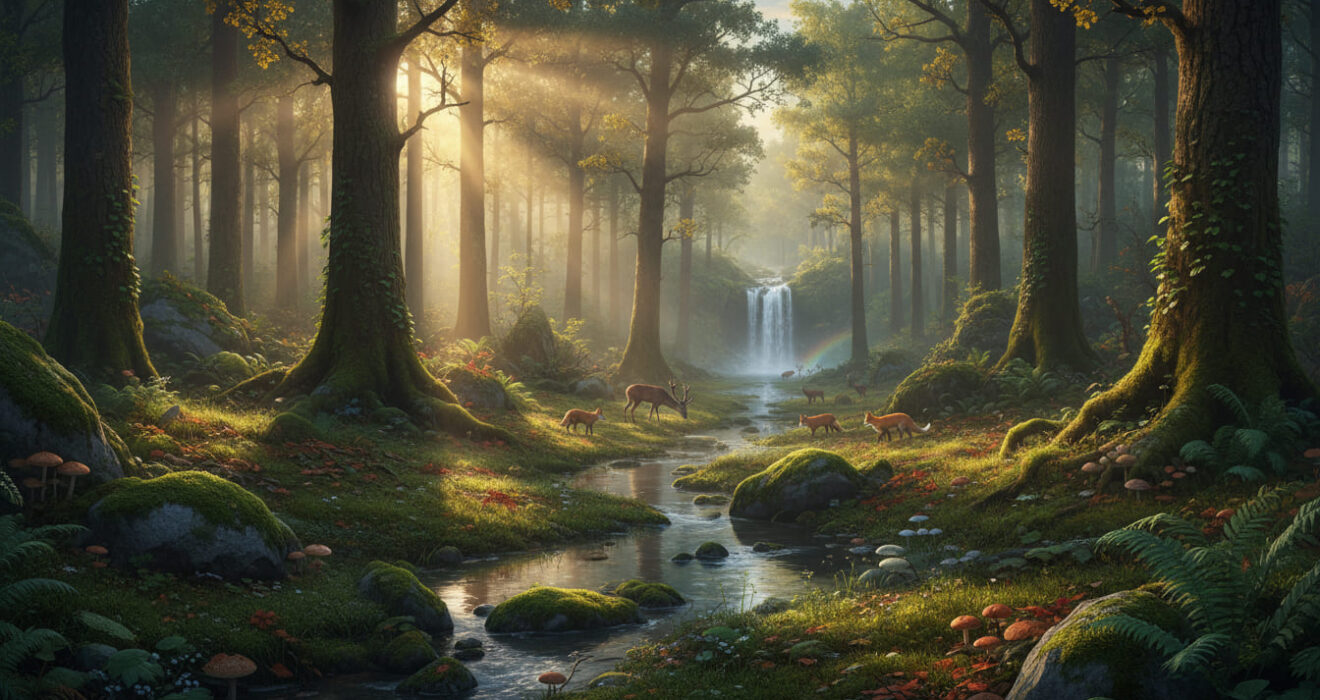
Forests: Nature’s Green Treasure
Forests: Nature’s Green Treasure
Forests are one of the most valuable natural resources on Earth. Often referred to as nature’s green treasure, they play a vital role in maintaining ecological balance, supporting biodiversity, and sustaining life. From providing oxygen to regulating climate, forests are essential for both the environment and human survival.
In today’s rapidly changing world, the importance of forests has become even more significant. With increasing deforestation, climate change, and environmental degradation, protecting and conserving forests is no longer an option—it is a necessity. This article explores the importance of forests, their benefits, types, and how we can contribute to forest conservation.
What Are Forests?
Forests are large areas of land covered with trees, plants, and wildlife. They form complex ecosystems that support a wide range of life forms. Forests can be found in different regions of the world, from tropical rainforests to cold boreal forests.
They are not just collections of trees; forests are living systems that interact with air, water, soil, and living organisms to create a balanced environment.
Types of Forests
Understanding the different types of forests helps us appreciate their diversity and importance.
1. Tropical Forests
Tropical forests are found near the equator and are known for their high biodiversity. These forests receive heavy rainfall and are home to a wide variety of plants and animals.
2. Temperate Forests
Temperate forests exist in regions with moderate climates. They experience four seasons and contain both deciduous and evergreen trees.
3. Boreal Forests (Taiga)
Boreal forests are located in colder regions and consist mainly of coniferous trees. They play a crucial role in carbon storage.
Importance of Forests
1. Oxygen Production
Forests act as the lungs of the Earth. Through photosynthesis, trees absorb carbon dioxide and release oxygen, making the air breathable.
2. Climate Regulation
Forests help regulate global and local climates. They absorb greenhouse gases and reduce the impact of climate change.
3. Biodiversity Conservation
Forests provide habitat for millions of species, including animals, birds, insects, and plants. They are essential for maintaining biodiversity.
4. Water Cycle Maintenance
Forests play a key role in the water cycle by absorbing rainfall and releasing moisture into the atmosphere.
5. Soil Protection
Tree roots hold soil together, preventing erosion and maintaining soil fertility.
6. Livelihood Support
Millions of people depend on forests for food, shelter, medicine, and income.
Benefits of Forests for Humans
Health Benefits
Spending time in forests reduces stress, improves mood, and enhances mental well-being. This is often referred to as “nature therapy.”
Economic Benefits
Forests provide timber, fruits, herbs, and other resources that contribute to economies worldwide.
Recreation and Tourism
Forests offer opportunities for hiking, camping, and eco-tourism, attracting nature lovers and travelers.
Forest Ecosystems and Wildlife
Forests are home to a vast range of wildlife species. From large mammals to tiny insects, each organism plays a role in maintaining the ecosystem.
Food Chains and Balance
Animals, plants, and microorganisms are connected through food chains. Any disturbance in forests can disrupt this balance.
Endangered Species
Many endangered species depend on forests for survival. Protecting forests helps preserve these species.
Deforestation: A Growing Threat
What is Deforestation?
Deforestation refers to the large-scale cutting down of trees for agriculture, urban development, or industrial use.
Causes of Deforestation
Agricultural expansion
Logging
Urbanization
Mining
Effects of Deforestation
Loss of biodiversity
Climate change
Soil erosion
Disruption of water cycles
Forest Conservation: Protecting Nature’s Treasure
1. Afforestation and Reforestation
Planting new trees and restoring degraded forests helps rebuild ecosystems.
2. Sustainable Practices
Using forest resources responsibly ensures their availability for future generations.
3. Awareness and Education
Educating people about the importance of forests encourages conservation efforts.
4. Government Policies
Strong environmental laws and regulations can help protect forests from exploitation.
Role of Individuals in Forest Protection
Every individual can contribute to forest conservation in simple ways:
Plant trees in your community
Reduce paper usage
Recycle and reuse products
Support eco-friendly products
Spread awareness about environmental protection
Forests and Climate Change
Forests are powerful tools in the fight against climate change. They act as carbon sinks, absorbing carbon dioxide from the atmosphere.
Carbon Storage
Trees store carbon in their trunks, branches, and roots, reducing greenhouse gases.
Climate Stability
Healthy forests help maintain temperature and rainfall patterns.
Interesting Facts About Forests
Forests cover about 31% of the Earth’s land area
Tropical forests contain over half of the world’s species
A single tree can produce enough oxygen for two people
Forests help reduce noise pollution
Frequently Asked Questions (FAQs)
1. Why are forests called nature’s green treasure?
Forests are called nature’s green treasure because they provide essential resources, support life, and maintain ecological balance.
2. How do forests help the environment?
Forests improve air quality, regulate climate, support biodiversity, and protect soil and water resources.
3. What are the main causes of deforestation?
The main causes include agriculture, logging, urbanization, and industrial activities.
4. How can we protect forests?
We can protect forests by planting trees, reducing waste, supporting conservation efforts, and spreading awareness.
5. What is the role of forests in climate change?
Forests absorb carbon dioxide and help reduce global warming, making them essential in combating climate change.
Conclusion
Forests truly are nature’s green treasure, offering countless benefits to the planet and its inhabitants. They support life, regulate climate, and provide resources that sustain human existence. However, the growing threat of deforestation highlights the urgent need for conservation.
Protecting forests is a shared responsibility. Governments, organizations, and individuals must work together to ensure that these vital ecosystems are preserved for future generations. By adopting sustainable practices and spreading awareness, we can safeguard forests and maintain the balance of nature. for further information to read blogs.