
Gamer Lifestyle: Inside the World of Modern Gamers
Gamer Lifestyle: Inside the World of Modern Gaming Culture
The gamer lifestyle has evolved from a niche hobby into a global phenomenon. What was once considered a pastime for a small group of enthusiasts has become a major part of modern culture, influencing entertainment, technology, social connections, and even careers. Today, millions of people worldwide identify as gamers, dedicating significant time and resources to playing, streaming, and engaging with video games.
The gamer lifestyle encompasses much more than simply playing games. It includes social interaction within gaming communities, participation in esports tournaments, following gaming news, upgrading gaming setups, and sharing experiences on social media. For many, gaming is a way of life—a source of entertainment, creativity, and personal expression.
In this article, we explore the gamer lifestyle, discussing its key components, trends, impact on society, and tips for balancing gaming with everyday life. We also include FAQs to help readers understand the modern gaming world.
What is the Gamer Lifestyle?
The gamer lifestyle refers to the habits, behaviors, and culture surrounding individuals who are passionate about video games. Unlike casual players who play occasionally, gamers who embrace this lifestyle integrate gaming into multiple aspects of their daily routines. This includes playing games, streaming or watching gameplay, discussing game strategies, and participating in gaming communities.
Key aspects of the gamer lifestyle include:
Regular Gameplay – Spending hours daily or weekly playing games on consoles, PCs, or mobile devices.
Community Engagement – Joining online forums, Discord groups, or social media platforms dedicated to gaming.
Streaming and Content Creation – Creating content on platforms like Twitch or YouTube to share gameplay with others.
Esports Participation – Competing in professional or amateur esports tournaments.
Gaming Tech and Setup – Investing in high-performance PCs, gaming consoles, accessories, and ergonomic setups.
The gamer lifestyle is not just a hobby—it’s a culture that influences fashion, entertainment, technology, and even social identity.
Key Elements of the Gamer Lifestyle
1. Gaming Platforms and Devices
A cornerstone of the gamer lifestyle is the platform or device used for gaming. Modern gamers often have multiple devices, including:
PCs: Popular for competitive gaming and games requiring high processing power.
Consoles: PlayStation, Xbox, and Nintendo Switch remain central to console-based gamers.
Mobile Devices: Smartphones and tablets allow casual and on-the-go gaming.
Virtual Reality (VR): VR headsets are growing in popularity, offering immersive experiences.
The choice of platform influences the type of games a gamer plays and their interaction with the gaming community.
2. Esports and Competitive Gaming
Esports has become a defining feature of the gamer lifestyle. Millions of gamers compete in tournaments for games like League of Legends, Call of Duty, Fortnite, and Dota 2. Esports competitions are no longer niche events—they fill stadiums, attract sponsorships, and are streamed globally.
Competitive gaming has created a professional path for dedicated gamers. Many gamers now pursue careers as esports athletes, streamers, or coaches. The rise of esports highlights how gaming has transformed from a pastime into a serious profession.
3. Streaming and Content Creation
Content creation is another critical aspect of the gamer lifestyle. Platforms like Twitch, YouTube Gaming, and Facebook Gaming allow gamers to broadcast gameplay to audiences worldwide. Streamers not only showcase their skills but also build communities, interact with fans, and generate revenue through subscriptions, sponsorships, and donations.
Streaming is a form of social interaction that complements gaming. Many streamers incorporate tutorials, challenges, and live commentary to engage audiences. For professional content creators, this has become a full-time career within the gamer lifestyle.
4. Gaming Communities
The gamer lifestyle thrives on community engagement. Gamers connect through online platforms, forums, social media groups, and multiplayer games. Communities provide spaces to:
Discuss game strategies and tips.
Share fan art, mods, and in-game achievements.
Organize tournaments and events.
Support mental health and social interaction for gamers.
These communities foster social bonds and make gaming a shared cultural experience, rather than a solitary activity.
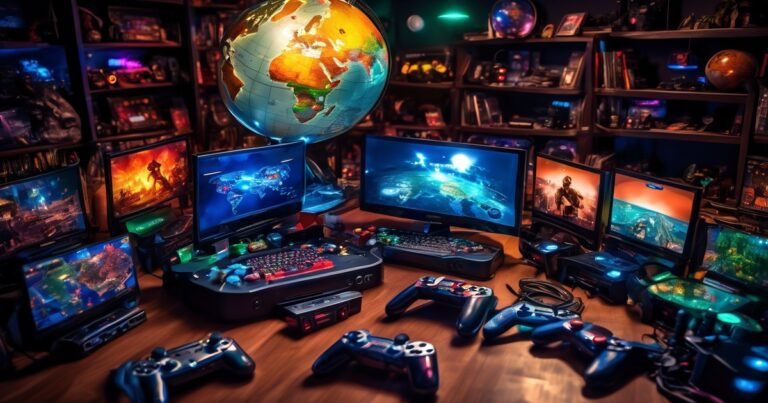
5. Gaming Tech and Setup
Gamers invest in advanced technology to enhance performance and experience. A typical gamer lifestyle setup may include:
High-performance PC or gaming console.
Multi-monitor setups for multitasking and immersive gameplay.
Mechanical keyboards and high-DPI gaming mice.
Headsets with clear audio for communication and sound immersion.
Gaming chairs and desks designed for long hours of comfort.
Upgrading gaming tech is not just a hobby—it reflects the dedication and passion inherent in the gamer lifestyle.
Trends in the Gamer Lifestyle
The gamer lifestyle is constantly evolving with trends in gaming technology, culture, and entertainment. Some current trends include:
1. Cross-Platform Gaming
Players are increasingly able to play games across different platforms, breaking barriers between console, PC, and mobile gamers.
2. Cloud Gaming
Cloud-based gaming services, like Google Stadia and Xbox Cloud Gaming, allow players to stream games without high-end hardware, making gaming more accessible.
3. Social Gaming
Games that incorporate social interaction, such as Among Us or Minecraft, allow players to socialize while playing, reinforcing community aspects.
4. Mobile Esports
Mobile gaming is booming, with competitive tournaments for games like PUBG Mobile and Mobile Legends reaching global audiences.
5. Streaming and Influencer Culture
Gamers increasingly monetize their lifestyle through content creation, sponsorships, and online influence, merging gaming with modern entrepreneurship.
Benefits of the Gamer Lifestyle
While often criticized as sedentary, the gamer lifestyle has multiple benefits:
Cognitive Skills: Strategy games enhance problem-solving, planning, and decision-making.
Hand-Eye Coordination: Action and rhythm games improve reflexes and coordination.
Social Interaction: Multiplayer games and online communities foster friendships.
Stress Relief: Gaming can provide relaxation and escape from daily stress.
Creativity: Games involving world-building, design, or storytelling stimulate imagination.
Balanced gaming within the gamer lifestyle promotes both mental and social well-being.
Challenges in the Gamer Lifestyle
Despite its benefits, the gamer lifestyle presents challenges:
Excessive Screen Time: Long hours of gaming can lead to eye strain and reduced physical activity.
Time Management: Balancing gaming with work, studies, and social life can be difficult.
Sleep Disruption: Late-night gaming can affect sleep patterns.
Addiction Risks: Excessive gaming may lead to behavioral issues for some individuals.
Awareness of these challenges allows gamers to maintain a healthy balance between gaming and life responsibilities.
Tips for a Healthy Gamer Lifestyle
To enjoy gaming responsibly while embracing the gamer lifestyle, consider these tips:
Set Time Limits: Allocate specific gaming hours to avoid overuse.
Take Breaks: Stand, stretch, and rest eyes every hour.
Exercise Regularly: Physical activity complements long gaming sessions.
Maintain Ergonomics: Use proper chairs, desks, and monitors.
Stay Social: Balance online gaming with offline interactions.
Monitor Mental Health: Be aware of signs of stress or burnout.
Following these practices ensures that the gamer lifestyle remains enjoyable and sustainable.
The Impact of the Gamer Lifestyle on Society
The gamer lifestyle has influenced broader society in multiple ways:
Economic Impact: Gaming generates billions in revenue through games, tournaments, and merchandise.
Pop Culture Influence: Games inspire movies, music, fashion, and memes.
Education: Gamification and educational games are part of modern learning strategies.
Technology Innovation: Gaming drives advancements in AI, graphics, and virtual reality.
Community Building: Online and offline gaming communities create social connections across cultures.
Gaming is no longer just entertainment it’s a cultural and economic force.
FAQs About Gamer Lifestyle
1. What is the gamer lifestyle?
The gamer lifestyle is a culture where gaming is a central activity, influencing daily routines, social life, and personal identity.
2. Can gaming be a career?
Yes. Professional esports players, streamers, and content creators make a living through gaming.
3. How can I balance gaming with other responsibilities?
Set time limits, take breaks, exercise, and maintain social interactions outside of gaming.
4. What are the benefits of the gamer lifestyle?
Gaming improves cognitive skills, hand-eye coordination, creativity, and provides social connections.
5. What equipment is essential for the gamer lifestyle?
A gaming PC or console, high-quality monitors, controllers, headphones, and ergonomic furniture are recommended.
Conclusion
The gamer lifestyle is much more than playing video games—it is a culture, a career path, and a global phenomenon. From competitive esports to immersive streaming, and from online communities to advanced gaming setups, the gamer lifestyle influences modern society, entertainment, and technology.
While challenges such as excessive screen time exist, the benefits of cognitive development, social interaction, and creative expression make gaming a valuable part of contemporary life. By embracing a balanced gamer lifestyle, players can enjoy their passion responsibly while connecting with a global community. for further information to read blogs.