
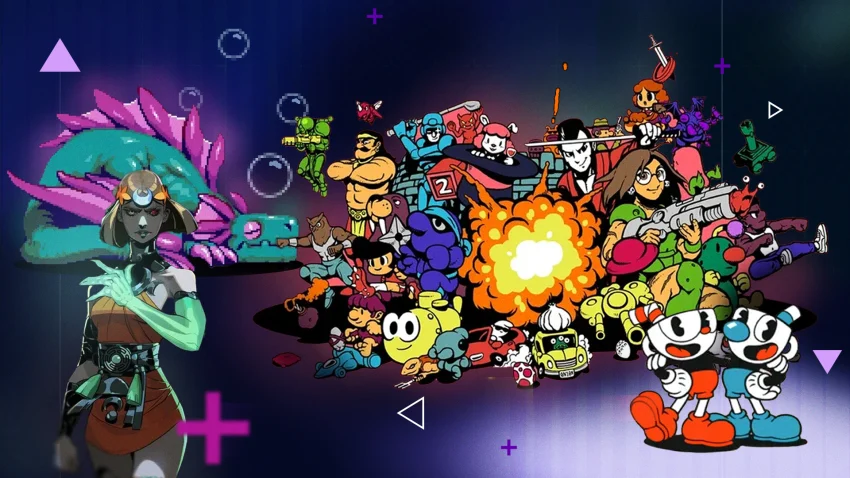
Indie Games: Creativity and Innovation in the Gaming World
Indie Games: Creativity and Innovation in the Gaming World
The gaming world is no longer dominated solely by massive studios and blockbuster titles. In recent years, indie games games developed by independent studios or solo developers—have carved out a unique and powerful place in the industry. Unlike mainstream games, which often focus on high-end graphics and large-scale marketing, indie games prioritize creativity, innovation, and storytelling.
Indie games offer players unique experiences that break traditional gaming conventions. From experimental mechanics to deeply personal narratives, these games showcase the creativity and dedication of small teams and passionate developers. They often explore niche genres, bring forward fresh ideas, and provide gaming experiences that big studios might consider too risky.
In this article, we will explore what makes indie games special, the benefits they offer to players and developers, their role in modern gaming, and practical tips for discovering and enjoying them. We will also answer frequently asked questions and provide insights on how indie games are shaping the future of the gaming industry.
Understanding Indie Games
Indie games are video games created by independent developers or small teams without the financial backing of large publishers. This independence gives developers creative freedom, allowing them to take risks and experiment with new game mechanics, art styles, and narratives.
Unlike mainstream games, which may focus on broad appeal and monetization strategies, indie games prioritize innovation, artistic expression, and player experience. Many indie titles have achieved commercial success while maintaining their unique identity, such as Hollow Knight, Celeste, and Undertale.
Indie games can range from small mobile titles to complex PC or console experiences. Despite limited budgets, many indie games achieve critical acclaim for their storytelling, gameplay mechanics, and visual creativity.
The Importance of Creativity in Indie Games
One of the defining characteristics of indie games is creativity. Independent developers often explore concepts that mainstream studios might consider too niche or experimental.
Unique Storytelling
Indie games frequently push the boundaries of narrative design. Titles like Night in the Woods and Journey focus on personal stories, emotional depth, and meaningful choices, offering players experiences that stay with them long after they finish the game.
Experimental Gameplay
Indie developers are not bound by conventional game design. They experiment with mechanics, control systems, and gameplay loops to create fresh experiences. Games like Baba Is You use logic and puzzle-solving in unconventional ways, challenging players’ expectations.
Artistic Innovation
Indie games often feature distinctive visual styles, from pixel art and hand-drawn graphics to surreal and abstract aesthetics. This artistic freedom allows developers to craft memorable worlds that stand out in a crowded gaming market.
By combining these elements, indie games provide experiences that mainstream titles cannot always replicate, giving players a sense of novelty and creativity.
The Role of Innovation in Indie Gaming
Innovation is a hallmark of the indie game industry. Independent developers can experiment without the pressure of mass-market appeal, often leading to groundbreaking mechanics and concepts.
Gameplay Mechanics
Indie games frequently introduce new gameplay ideas. For example, Papers, Please simulates the role of an immigration officer with moral choices that directly impact gameplay, while Katana ZERO blends action and narrative in a unique time-manipulation system.
Technology and Tools
Modern development tools like Unity, Unreal Engine, and Godot have lowered the barrier to entry, enabling small teams to create professional-quality games. This democratization of game development has fueled a surge of creativity and innovation in indie games.
Community and Crowdfunding
Crowdfunding platforms such as Kickstarter and Patreon allow indie developers to fund projects directly with player support. This model gives developers freedom to innovate while building communities around their games.
Benefits of Indie Games for Players
Indie games offer several advantages for gamers who seek more than just mainstream entertainment.
Fresh Experiences
Indie games provide experiences that are often more personal, innovative, and unconventional than traditional AAA titles. Players can explore experimental mechanics, niche genres, and creative narratives.
Accessibility
Many indie games are affordable or even free, making them accessible to a wide audience. Additionally, indie developers often release games on multiple platforms, including PC, consoles, and mobile devices.
Community Engagement
Indie games frequently foster close-knit communities. Developers interact with players, gather feedback, and implement changes, creating a collaborative and responsive gaming environment.
Supporting Creativity
By purchasing and playing indie games, players directly support creativity and innovation in the gaming industry. This support allows small teams to continue producing unique and meaningful experiences.
Examples of Successful Indie Games
Some indie games have achieved both critical and commercial success, demonstrating the power of creativity and innovation.
Hollow Knight A challenging metroid vania game with hand-drawn art and deep lore.
Celeste A platformer that combines precise gameplay with a narrative about mental health.
Undertale A role-playing game with unique combat mechanics and an emotionally resonant story.
Stardew Valley A farming simulator that emphasizes player choice and community engagement.
Baba Is You A puzzle game that redefines rules-based gameplay and logic mechanics.
These games highlight the diverse possibilities offered by indie development, from storytelling to gameplay innovation.
How Indie Games Are Developed
Developing an indie game involves several stages, often with smaller teams than AAA titles.
Concept and Design
The development process begins with an idea. Developers design gameplay mechanics, narrative structures, and artistic styles. Creativity is central during this stage, as developers are free to experiment.
Prototyping and Testing
Developers create prototypes to test gameplay mechanics. Player feedback during this stage can influence changes and improvements.
Development Tools
Indie developers often use engines like Unity, Unreal Engine, or Godot, along with art and sound tools, to build the game efficiently.
Launch and Distribution
Many indie games are distributed digitally via platforms like Steam, Epic Games Store, GOG, or console stores. Some developers also use crowdfunding or early access programs to finance development and engage the community.
Challenges Faced by Indie Developers
While indie games are celebrated for creativity and innovation, independent developers face several challenges:
Limited Budgets Funding small projects can be difficult.
Marketing and Visibility Standing out in a crowded market is a constant challenge.
Technical Limitations Small teams may lack specialized skills in areas like coding, art, or sound design.
Time Constraints Balancing development, testing, and community engagement can be overwhelming for small teams.
Despite these challenges, passion and creativity often drive indie developers to overcome obstacles and produce exceptional games.
Tips for Discovering Indie Games
For players interested in exploring indie games, here are some tips:
Follow Indie Game Platforms: Steam, itch.io, and GOG feature extensive indie game catalogs.
Watch Indie Game Streams: Twitch and YouTube highlight new and innovative indie games.
Check Crowdfunding Sites: Kickstarter often showcases exciting upcoming projects.
Join Gaming Communities: Reddit, Discord, and forums often have indie game discussions.
Look for Awards: The Independent Games Festival (IGF) and other awards highlight top indie titles.
FAQs
What is an indie game?
An indie game is a video game developed by independent developers or small studios without the financial backing of large publishers, often emphasizing creativity and innovation.
How are indie games different from mainstream games?
Indie games prioritize creativity, experimental gameplay, and unique storytelling, whereas mainstream games often focus on large-scale production, graphics, and broad market appeal.
Can indie games be as good as AAA games?
Yes. Many indie games, like Hollow Knight and Celeste, have achieved critical acclaim and commercial success despite smaller budgets.
Are indie games expensive?
Most indie games are affordable, and some are even free-to-play. They are often priced lower than AAA titles while offering unique and high-quality experiences.
How can I support indie developers?
Players can support indie developers by purchasing their games, sharing reviews, contributing to crowdfunding campaigns, and engaging with the community.
The Future of Indie Games
The indie game industry continues to grow, fueled by technological advances, digital distribution, and community support. The future of indie games looks promising, with opportunities for:
Virtual Reality (VR) and Augmented Reality (AR) Indie Games
Cross-platform indie releases
Innovative narrative-driven games
Collaborative indie projects
Greater global reach through digital distribution
Indie games will continue to push the boundaries of creativity and innovation, shaping the gaming world for years to come.
Conclusion
Indie games represent the heart of creativity and innovation in the gaming industry. By embracing unique storytelling, experimental gameplay, and artistic freedom, independent developers offer experiences that stand out in a crowded market.
For players, indie games provide fresh, meaningful, and engaging experiences that support creativity and experimentation. For developers, indie gaming is a platform to express ideas freely and challenge traditional game development norms.
As technology advances and digital distribution grows, indie games will continue to flourish, offering diverse experiences that redefine the way we play, think, and engage with games. Supporting indie games is not just about entertainment it is about nurturing innovation and helping the gaming world evolve in exciting new directions. for further information to read blog.