
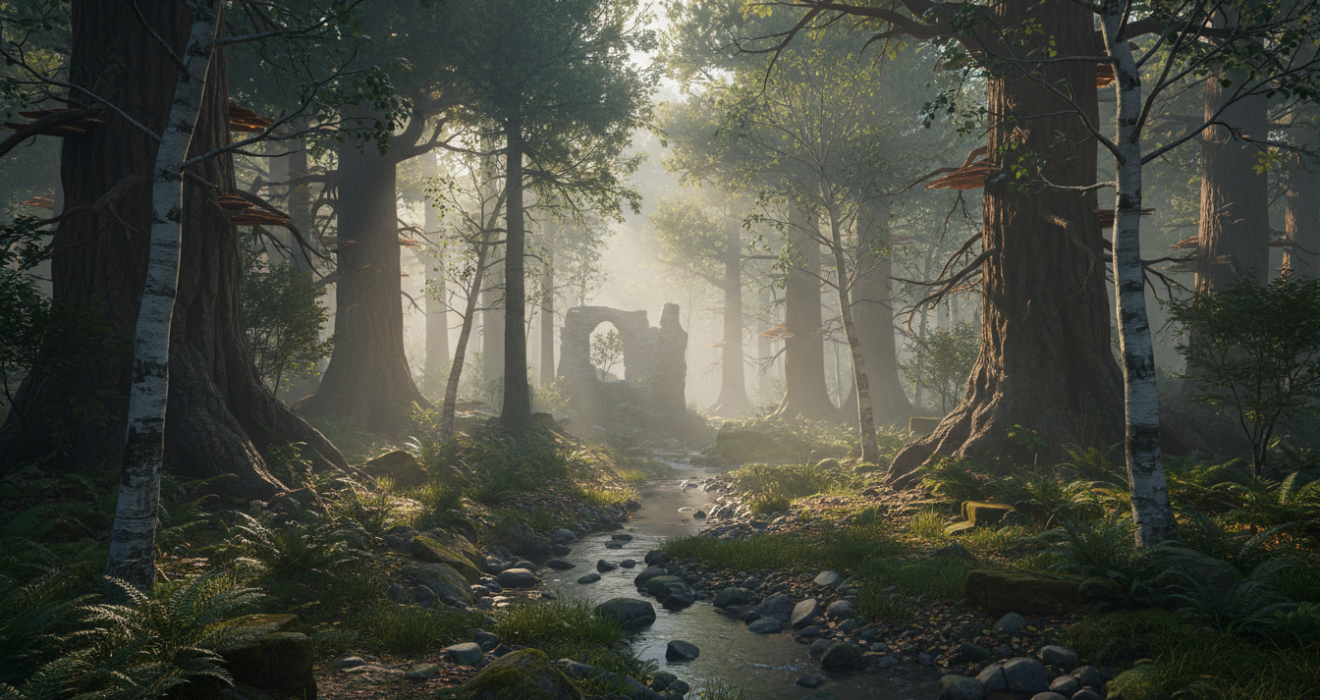
Nature Forests: Unlocking the Ancient Secrets of Wild Woodlands
Nature Forests: Unlocking the Ancient Secrets of Wild Woodlands
There is a specific, resonant silence that can only be found deep within nature forests. It is not an absence of sound, but rather an absence of noise. Having spent decades documenting ecosystems from the dense, moss-draped temperate rainforests of the Pacific Northwest to the humid, vibrating canopies of the Amazon, I have come to understand that these environments are not merely collections of trees. They are, essentially, living, breathing entities. Furthermore, the interplay between soil, flora, and fauna creates a complex biological narrative that science is only just beginning to translate.
Consequently, the allure of these wild spaces goes beyond aesthetics. Modern research suggests that our connection to nature forests is evolutionary, a tether to our origins that, when severed, impacts our physical and mental well-being. However, these ecosystems are under threat. In this comprehensive guide, we will explore the intricate biology of these woodlands, their profound impact on human health, and the urgent need for their preservation.
Executive Summary: The Vital Statistics of Nature Forests
Before diving into the depths of the undergrowth, it is beneficial to understand the scale and significance of these ecosystems. The table below outlines key data regarding global forest cover and its function.
| Metric | Data Point | Implication |
|---|---|---|
| Global Coverage | ~31% of Land Area | Critical for carbon sequestration and climate regulation. |
| Biodiversity | Houses 80% of Amphibians | Essential habitat for terrestrial species survival. |
| Economic Value | $33 Trillion (Estimated) | Provides timber, medicine, and ecosystem services. |
| Deforestation Rate | 10 Million Hectares/Year | Urgent need for conservation strategies. |
The Biological Complexity of Natural Woodlands
When we step into nature forests, we are stepping onto a battlefield and a cooperative alliance simultaneously. The ground beneath our feet is arguably more alive than the canopy above. Specifically, the concept of the “Wood Wide Web,” or the underground mycorrhizal network, has revolutionized our understanding of forest biology. Through this symbiotic relationship, fungi connect trees by their root systems, allowing them to share resources. For instance, older “mother trees” can pump sugar and nutrients to saplings growing in the shade, ensuring the survival of the next generation.
Moreover, this communication network allows trees to send distress signals. If a tree is attacked by beetles, it can chemically signal its neighbors to raise their tannin levels—a natural defense mechanism. Therefore, a nature forest acts as a super-organism rather than a collection of isolated individuals. In my own fieldwork, I have observed stumps of felled trees that remain green and alive for decades, fed entirely by the surrounding root network of their neighbors, a testament to this communal survival strategy.
Soil Composition and Carbon Storage
The floor of nature forests is a masterclass in recycling. Dead organic matter—leaves, fallen logs, and animal remains—decomposes to form humus, a nutrient-rich layer that feeds the forest. Significantly, this soil is a massive carbon sink. While trees store carbon in their biomass, forest soils store vast amounts of organic carbon. Disturring these soils through deforestation not only removes the trees but releases this stored carbon back into the atmosphere, accelerating climate change. Thus, the protection of these grounds is paramount.
Psychological Benefits of Immersion in Nature Forests
Beyond the biological mechanics, there is the undeniable human element. Why do we feel better after a walk in the woods? The Japanese practice of Shinrin-yoku, or “forest bathing,” provides scientific backing for this intuitive feeling. Studies indicate that trees release phytoncides, antimicrobial organic compounds, which, when inhaled by humans, lower cortisol levels and boost the immune system.
For a deeper dive into the physiological effects of forest environments, reliable data can be found through the National Center for Biotechnology Information (NCBI), which hosts numerous studies linking time spent in woodlands to reduced hypertension and improved mental health. Consequently, integrating visits to nature forests into our routine is not just a leisure activity; it is a preventative health measure.
From Stress to Serenity
During a recent expedition in the boreal forests of Scandinavia, the contrast between the frenetic pace of digital life and the stoic rhythm of the woods was palpable. The sensory inputs—the scent of pine, the crunch of needles, the visual fractal patterns of leaves—engage the parasympathetic nervous system. Furthermore, this “soft fascination” allows the prefrontal cortex to rest and recover from cognitive fatigue. In addition, exposure to nature forests has been linked to improved creativity and problem-solving skills.
If you are seeking inspiration or simply a digital detox, finding a local trail is essential. For those looking to browse more content on connecting with the outdoors, I highly recommend exploring the resources at Bliss Lifes Nature Category, which offers excellent guides on embracing a nature-centric lifestyle.
Global Diversity of Forest Ecosystems
Not all nature forests are created equal. The diversity of these ecosystems is dictated by latitude, rainfall, and soil type. Understanding these differences is crucial for appreciating the global tapestry of woodlands.
1. The Tropical Rainforests
Located near the equator, these are the lungs of the planet. They are characterized by high rainfall and consistent temperatures. Notably, while they cover less than 10% of Earth’s surface, they harbor more than half of the world’s plant and animal species. The Amazon and the Congo Basin are prime examples. However, the soil here is surprisingly nutrient-poor, as the rapid decomposition rate means nutrients are almost immediately reabsorbed by plants.
2. The Temperate Broadleaf Forests
These nature forests experience four distinct seasons. Found in Eastern North America, Europe, and parts of Asia, these woodlands are defined by deciduous trees that shed their leaves annually. This seasonal shedding creates a thick, nutrient-rich leaf litter. Consequently, the soil here is often more fertile than in tropical regions.
3. The Boreal Forests (Taiga)
Stretching across the high latitudes of Canada, Russia, and Scandinavia, the Taiga is the largest land biome. It is dominated by coniferous evergreens adapted to long, harsh winters. Interestingly, because of the cold, decomposition is slow, leading to deep accumulations of peat and organic matter. These forests are vital for global carbon storage.
Conservation Challenges Facing Our Green Canopies
Despite their value, nature forests face unprecedented threats. The primary antagonist is habitat conversion—clearing land for agriculture, specifically soy, palm oil, and cattle ranching. This is not merely an environmental issue; it is a humanitarian one, as millions of indigenous people rely on these lands for their survival.
Moreover, climate change creates a feedback loop. As temperatures rise, forests become drier and more susceptible to wildfires. We have seen this devastating cycle play out in Australia and California. To understand the global efforts being made to protect these heritage sites, one should look to organizations like UNESCO World Heritage Forests, which monitors and protects the most significant forest regions on Earth.
The Problem of Fragmentation
Even when forests are not entirely destroyed, they are often fragmented by roads and development. This “edge effect” disrupts wildlife corridors, making it difficult for animals to migrate, hunt, and breed. Furthermore, fragmented forests are less resilient to storms and disease. Therefore, conservation strategies must focus not just on saving individual trees, but on preserving contiguous tracts of land.
Practical Guide to Exploring Nature Forests
Exploring these wild environments requires preparation and respect. As someone who has navigated both marked trails and trackless wilderness, I can attest that the forest is indifferent to human frailty. Safety and ethics must be prioritized.
- Navigation: Never rely solely on a smartphone. Batteries die. Always carry a physical map and compass, and know how to use them.
- Gear: In nature forests, weather can change rapidly. Layering is key. Merino wool is superior to cotton as it retains warmth even when wet.
- Leave No Trace: This is the golden rule. Pack out everything you pack in. Do not disturb wildlife or remove plants.
- Hydration: Water sources in the wild may look clean but can harbor parasites like Giardia. Always use a filter or purifier.
Additionally, for those interested in supporting global conservation efforts while exploring, organizations like the World Wildlife Fund (WWF) offer resources on how to visit these regions responsibly without contributing to their degradation.
The Future of Our Green Canopies
The future of nature forests hangs in a delicate balance. We are currently in the UN Decade on Ecosystem Restoration, a global rallying cry to heal our planet. However, reforestation is complex. Planting monocultures of fast-growing timber trees does not create a forest; it creates a plantation. True restoration requires recreating the biodiversity and structural complexity of the original ecosystem.
Technological advancements are aiding this fight. Satellite imagery and AI are now used to track illegal logging in real-time. Drones are being employed to plant seeds in hard-to-reach areas. Yet, technology alone cannot save the trees. It requires a shift in human consciousness—a recognition that we are part of the biosphere, not separate from it.
Reforestation vs. Afforestation
It is important to distinguish between these two terms. Reforestation is replanting trees in an area that was recently deforested. Afforestation is planting trees in an area that was not previously forested (like a grassland). While both can sequester carbon, afforestation can sometimes damage existing ecosystems if not done carefully. Therefore, our primary focus must be on protecting existing old-growth nature forests, as their carbon-storing capacity and biodiversity are irreplaceable.
Conclusion
In conclusion, the majesty of nature forests is not something we can afford to take for granted. From the microscopic fungal highways beneath the soil to the towering canopies that scrub our air, these ecosystems are the life support systems of our planet. My journey through these woods has taught me humility and resilience, lessons that are available to anyone willing to step off the pavement.
As we move forward, the integration of conservation science, sustainable economics, and a renewed spiritual connection to nature is essential. Whether you are a policymaker, a hiker, or simply someone who enjoys the shade of a tree, you have a role to play. I urge you to visit Bliss Lifes for more insights on integrating the wisdom of nature into your daily life. Let us ensure that the whisper of the wind through the leaves remains a sound heard by generations to come.
Frequently Asked Questions (FAQ)
What is the difference between a nature forest and a plantation?
A nature forest is a complex, biodiverse ecosystem with various tree species, ages, and a rich understory. A plantation is typically a monoculture (one species) grown for timber, lacking the biodiversity and ecological resilience of a wild forest.
How do nature forests impact climate change?
Forests act as carbon sinks, absorbing carbon dioxide from the atmosphere and storing it in wood, leaves, and soil. Consequently, preserving them is one of the most effective ways to mitigate global warming.
Is it safe to drink water from a stream in a forest?
Generally, no. Even clear water in remote nature forests can contain bacteria, viruses, or parasites. Always treat water with a filter, chemical tablets, or by boiling it before consumption.
What are the mental health benefits of forests?
Spending time in forests reduces cortisol (stress) levels, lowers blood pressure, improves mood, and enhances focus. This phenomenon is often referred to as “forest bathing” or Shinrin-yoku.
How can I help conserve nature forests?
You can support conservation organizations, choose sustainably sourced paper and wood products (FSC certified), reduce your carbon footprint, and practice “Leave No Trace” principles when visiting woodlands.