
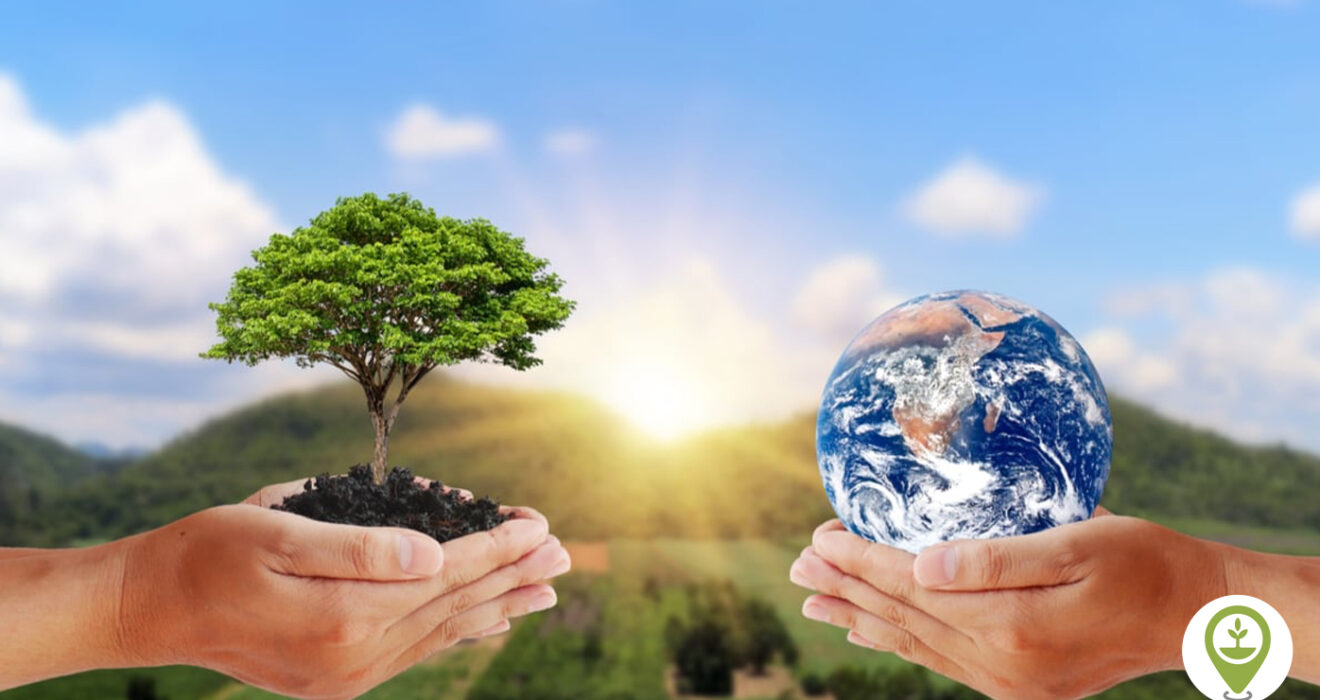
Protecting Nature: Why Conservation Matters for Our Future
Protecting Nature: Why Conservation Matters for Our Future
Nature is the foundation of life on Earth. From the air we breathe to the water we drink and the food we eat, every aspect of human survival depends on the natural environment. Forests, oceans, rivers, mountains, and wildlife form a delicate balance that supports life for billions of species, including humans. However, in recent decades, human activities such as deforestation, pollution, climate change, and overconsumption have placed immense pressure on the planet.
Protecting nature has become one of the most important global challenges of our time. Environmental conservation is no longer just an option—it is a necessity for ensuring a healthy and sustainable future. If natural ecosystems continue to decline, the consequences could affect food security, biodiversity, climate stability, and overall human well-being.
One of the most effective ways to protect nature is through nature conservation, which focuses on preserving natural habitats, protecting wildlife, and using natural resources responsibly. Organizations like the World Wildlife Fund and the United Nations Environment Programme work globally to raise awareness and promote sustainable practices that help safeguard the environment.
In this article, we will explore why protecting nature is essential, the benefits of conservation, the threats facing the natural world, and practical ways individuals and communities can contribute to protecting our planet.
Understanding Nature Conservation
Nature conservation refers to the protection, preservation, and responsible management of natural resources and ecosystems. The main goal is to maintain biodiversity and ensure that natural environments remain healthy for future generations.
Conservation efforts focus on protecting ecosystems such as:
Forests
Oceans and seas
Rivers and wetlands
Mountains and grasslands
Wildlife habitats
Healthy ecosystems support countless species and provide essential services such as clean water, fertile soil, and climate regulation.
Conservation also encourages sustainable development, which means meeting current needs without harming the ability of future generations to meet their own needs.
The Importance of Protecting Nature
Protecting nature is crucial for many reasons. The natural world supports life, maintains environmental balance, and contributes to human well-being.
1. Preserving Biodiversity
Biodiversity refers to the variety of living organisms on Earth, including plants, animals, and microorganisms. Each species plays a unique role in maintaining ecosystem balance.
For example, pollinators like bees help plants reproduce, while predators control animal populations. If species disappear, ecosystems can become unstable.
Many animals such as the African Elephant and the Giant Panda depend on conservation programs to survive. Protecting natural habitats ensures that these species continue to thrive.
2. Maintaining Clean Air and Water
Forests, wetlands, and oceans play an important role in purifying the environment.
Trees absorb carbon dioxide and release oxygen.
Wetlands filter pollutants from water.
Oceans regulate the Earth’s climate.
Without these natural systems, air and water quality would decline significantly. Conservation helps maintain these vital ecological functions.
3. Combating Climate Change
Climate change is one of the greatest environmental threats facing humanity today. Rising temperatures, extreme weather events, and melting glaciers are affecting ecosystems around the world.
Forests are particularly important in combating climate change because they store large amounts of carbon. Protecting forests and planting trees helps reduce greenhouse gases in the atmosphere.
Global initiatives such as the Paris Agreement aim to address climate change and encourage countries to reduce emissions while protecting natural ecosystems.
4. Supporting Human Health and Well-Being
Nature provides many resources that support human health, including medicinal plants, clean water, and nutritious food.
Many modern medicines are derived from natural sources. Protecting biodiversity ensures that scientists can continue discovering new treatments and cures.
In addition, spending time in nature has been shown to reduce stress, improve mental health, and enhance overall quality of life.
5. Sustaining Food Systems
Agriculture depends heavily on natural ecosystems. Healthy soil, clean water, and pollinators are essential for producing crops.
However, environmental degradation can reduce crop yields and threaten food security. Protecting nature helps maintain the natural processes that support sustainable agriculture.
Major Threats to Nature
Despite its importance, nature faces many serious threats caused by human activity.
Deforestation
Deforestation occurs when forests are cleared for agriculture, urban development, or logging. This destroys wildlife habitats and contributes to climate change.
Tropical rainforests are particularly vulnerable. These forests are home to some of the richest biodiversity on the planet.
Pollution
Pollution affects land, water, and air. Plastic waste in oceans harms marine animals, while industrial emissions contribute to air pollution and climate change.
Reducing pollution through responsible waste management and sustainable production is essential for protecting the environment.
Habitat Loss
Urban expansion and infrastructure development often destroy natural habitats. When animals lose their homes, they struggle to survive and reproduce.
Habitat loss is one of the leading causes of species extinction worldwide.
Overexploitation of Natural Resources
Overfishing, excessive hunting, and unsustainable resource extraction can severely damage ecosystems.
Sustainable resource management ensures that natural resources are used responsibly without depleting them.
Practical Ways to Protect Nature
While governments and organizations play an important role in conservation, individuals can also make a significant difference.
Reduce Waste
Reducing waste helps decrease pollution and conserve natural resources. Simple actions include recycling, composting, and avoiding single-use plastics.
Conserve Energy
Using less energy reduces greenhouse gas emissions. People can conserve energy by turning off unused lights, using energy-efficient appliances, and choosing renewable energy sources.
Support Sustainable Products
Purchasing environmentally friendly products encourages companies to adopt sustainable practices.
Look for products that use recycled materials or environmentally responsible production methods.
Plant Trees
Trees are essential for maintaining ecological balance. Planting trees helps absorb carbon dioxide, improve air quality, and provide habitats for wildlife.
Community tree-planting initiatives can have a powerful positive impact on the environment.
Educate and Raise Awareness
Environmental education plays a vital role in conservation. By learning about environmental issues and sharing knowledge with others, people can inspire positive change.
Schools, communities, and organizations can all contribute to raising awareness about protecting nature.
The Role of Governments and Organizations
Governments and international organizations are essential in creating policies that protect natural resources.
Protected areas such as national parks and wildlife reserves help preserve ecosystems and wildlife.
Organizations like the World Wildlife Fund work to protect endangered species and conserve habitats around the world. Similarly, the United Nations Environment Programme promotes environmental sustainability through global initiatives and research.
International cooperation is also crucial because environmental challenges often cross national borders.
The Future of Nature Conservation
The future of the planet depends on how effectively humanity addresses environmental challenges today. Advances in technology, scientific research, and sustainable practices offer hope for a more balanced relationship between humans and nature.
Renewable energy, sustainable agriculture, and eco-friendly innovations are helping reduce environmental impact. However, lasting change requires collective action from individuals, communities, governments, and businesses.
Protecting nature is not only about saving wildlife—it is about ensuring the survival and well-being of future generations.
Frequently Asked Questions (FAQs)
What does protecting nature mean?
Protecting nature involves preserving natural ecosystems, conserving wildlife, and using natural resources responsibly to maintain environmental balance.
Why is nature conservation important?
Nature conservation helps protect biodiversity, maintain clean air and water, combat climate change, and support human health and food systems.
How can individuals help protect nature?
Individuals can protect nature by reducing waste, conserving energy, planting trees, supporting sustainable products, and raising environmental awareness.
What are the biggest threats to nature?
Major threats include deforestation, pollution, climate change, habitat loss, and overexploitation of natural resources.
Which organizations work to protect nature?
Organizations such as the World Wildlife Fund and the United Nations Environment Programme work globally to promote conservation and environmental protection.
Conclusion
Protecting nature is one of the most important responsibilities facing humanity today. The natural world provides the resources and ecosystems that sustain life on Earth. Without healthy forests, clean water, and diverse wildlife, the balance of life would be severely disrupted.
Conservation efforts are essential for preserving biodiversity, combating climate change, and ensuring that future generations inherit a healthy and thriving planet. Governments, organizations, and individuals must all work together to protect natural environments and promote sustainable practices. for further information to read blogs.