
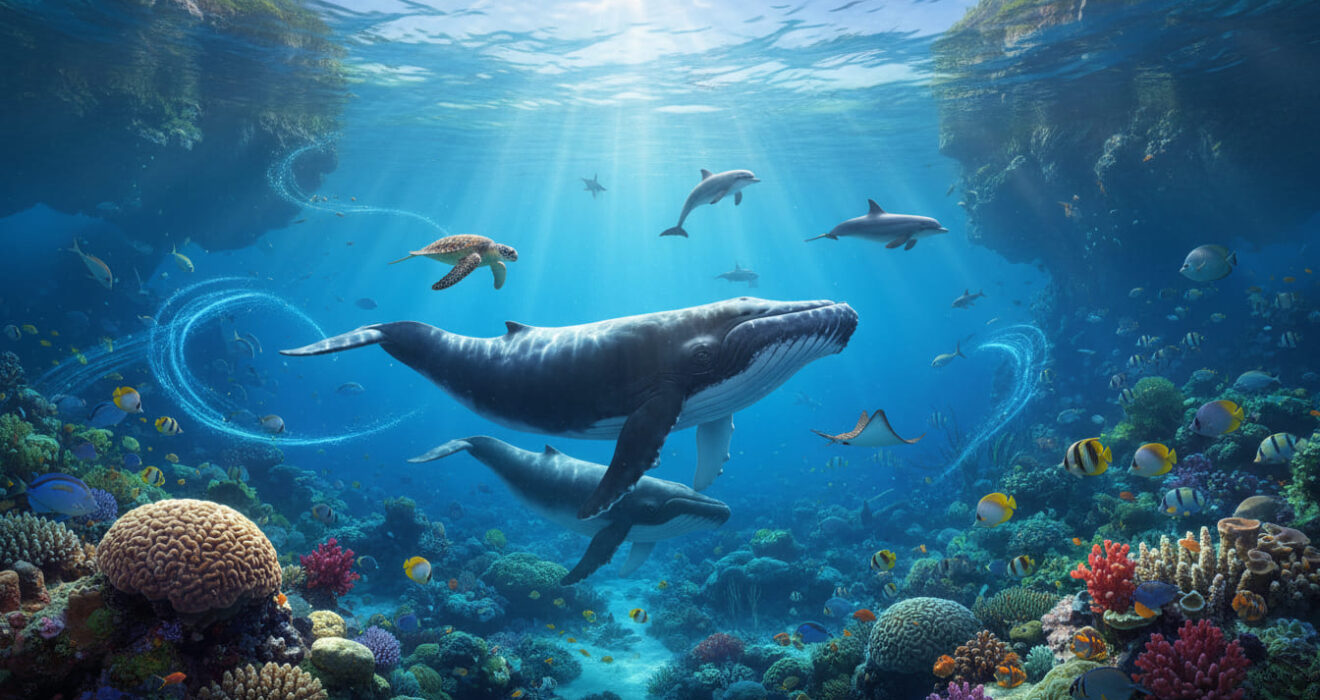
The Beauty of Ocean Life: A Complete Guide
The Beauty of Ocean Life: A Complete Guide
The ocean covers more than 70% of our planet, yet much of it remains unexplored. Beneath the surface lies a breathtaking world filled with vibrant ecosystems, fascinating creatures, and delicate natural balance. Ocean life is not only beautiful but also essential for sustaining life on Earth.
From colorful coral reefs to mysterious deep-sea creatures, marine life plays a vital role in regulating climate, producing oxygen, and supporting biodiversity. In this complete guide, we will explore the beauty of ocean life, understand its importance, and learn how we can protect these incredible ecosystems.
What Is Ocean Life?
Ocean life, also known as marine life, includes all living organisms found in saltwater environments such as seas and oceans. This includes:
- Fish and sharks
- Coral reefs
- Marine mammals like whales and dolphins
- Tiny organisms like plankton
These organisms form complex ecosystems that are interconnected and vital for the planet’s health.
The Diversity of Marine Life
One of the most fascinating aspects of ocean life is its incredible diversity. Scientists estimate that millions of species live in the ocean, many of which are still undiscovered.
Coral Reefs: The Rainforests of the Ocean
Coral reefs are among the most vibrant ecosystems on Earth. They support thousands of species and are often referred to as the “rainforests of the sea.”
- Provide shelter for marine animals
- Protect coastlines from erosion
- Support fishing industries
Marine Mammals: Giants of the Sea
Marine mammals like whales, dolphins, and seals are some of the most intelligent and majestic creatures in the ocean.
- Whales communicate using complex sounds
- Dolphins are known for their intelligence
- Seals adapt to both land and water environments
These animals highlight the emotional and intellectual depth of marine ecosystems.
Deep-Sea Creatures: Mysteries of the Ocean
The deep ocean is one of the least explored areas on Earth. It is home to unique creatures that have adapted to extreme conditions.
- Bioluminescent fish that glow in the dark
- Giant squids living in deep waters
- Creatures surviving under immense pressure
These mysterious beings add to the wonder of deep-sea ocean life.
Importance of Ocean Life
The beauty of ocean life is not just visual—it is essential for life on Earth.
Oxygen Production
Oceans produce more than half of the world’s oxygen through tiny organisms called phytoplankton.
Climate Regulation
Oceans absorb carbon dioxide and help regulate global temperatures, making them crucial in fighting climate change.
Food Source
Millions of people depend on seafood as their primary source of protein.
Medical Discoveries
Marine organisms are used in developing medicines, including treatments for cancer and other diseases.
Ocean Ecosystems Explained
Ocean ecosystems are complex and interconnected. Each part plays a role in maintaining balance.
Coastal Ecosystems
- Mangroves
- Seagrass beds
- Estuaries
These areas serve as nurseries for marine life.
Open Ocean
The open ocean is vast and home to large species like sharks and whales.
Deep Ocean
This dark and mysterious zone contains unique species adapted to extreme conditions.
The Visual Beauty of Ocean Life
The ocean is a visual masterpiece filled with stunning sights:
- Colorful coral reefs
- Schools of fish moving in harmony
- Crystal-clear blue waters
This natural beauty attracts photographers, divers, and nature lovers from around the world.
Ocean Life and Mental Health
Spending time near the ocean has proven psychological benefits:
- Reduces stress and anxiety
- Improves mood and relaxation
- Enhances creativity
The calming effect of waves and the beauty of marine life make oceans a natural therapy source.
Threats to Ocean Life
Despite its beauty, ocean life is under serious threat.
Pollution
Plastic waste and chemicals are harming marine ecosystems.
Climate Change
Rising temperatures are causing coral bleaching and habitat loss.
Overfishing
Excessive fishing disrupts the balance of marine ecosystems.
Habitat Destruction
Coastal development is destroying natural habitats.
How to Protect Ocean Life
Protecting ocean life is a shared responsibility.
Simple Steps You Can Take:
- Reduce plastic usage
- Support sustainable seafood
- Participate in beach cleanups
- Spread awareness about marine conservation
Every small action contributes to preserving the beauty of marine life.
Future of Ocean Life
The future of ocean life depends on our actions today. With increased awareness and conservation efforts, we can protect marine ecosystems for future generations.
Positive Developments:
- Marine protected areas
- Sustainable fishing practices
- Global environmental campaigns
These efforts offer hope for preserving the oceans.
FAQs
1. What is ocean life?
Ocean life refers to all living organisms found in oceans, including fish, plants, and marine mammals.
2. Why is ocean life important?
Ocean life supports oxygen production, regulates climate, and provides food and medicine.
3. What are the main threats to ocean life?
Pollution, climate change, overfishing, and habitat destruction are major threats.
4. How can we protect marine life?
By reducing plastic use, supporting conservation efforts, and spreading awareness.
5. What is the most diverse ocean ecosystem?
Coral reefs are considered the most diverse marine ecosystems.
Conclusion
The ocean is a world of unmatched beauty, filled with diverse ecosystems and incredible creatures. Ocean life is not only visually stunning but also essential for maintaining the balance of our planet.
From vibrant coral reefs to mysterious deep-sea species, the wonders of marine life remind us of the importance of protecting our natural world. However, increasing environmental threats put this beauty at risk.
By taking small but meaningful steps, we can help preserve the oceans and ensure that future generations continue to experience the magic of ocean life. The responsibility lies with all of us to protect and cherish this incredible part of our planet. for further information to read blogs.