
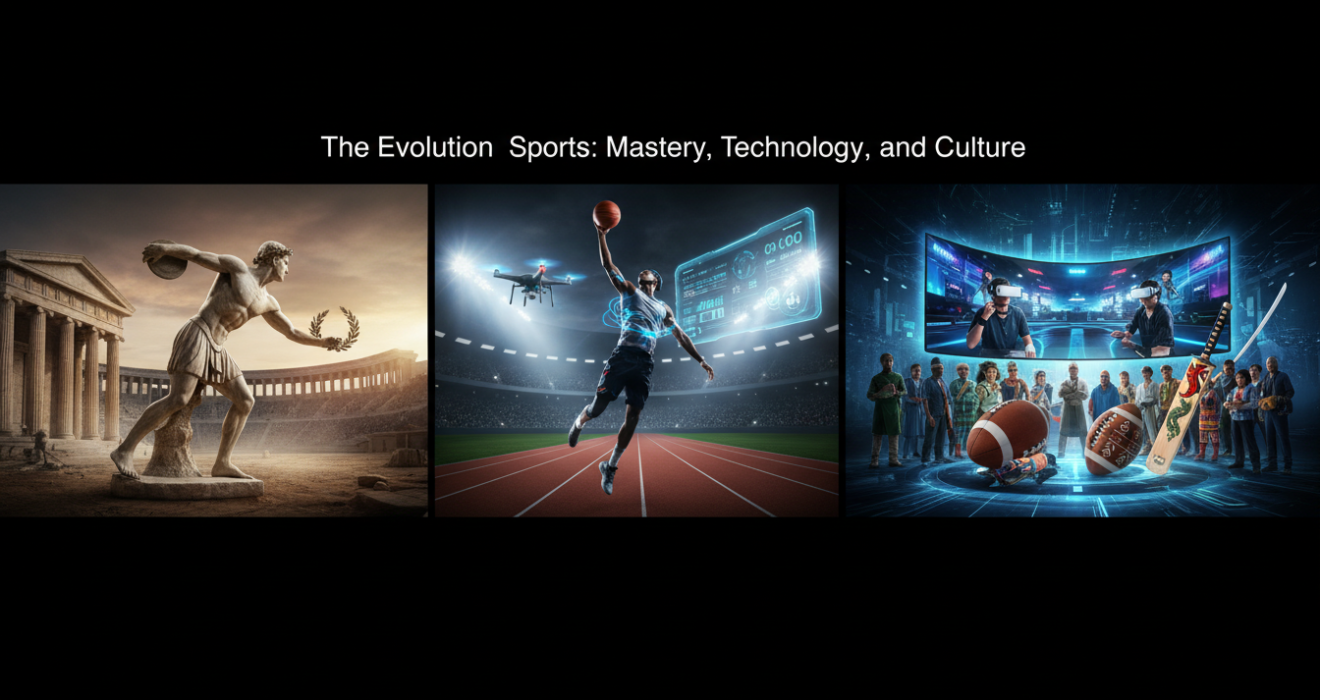
The Evolution of Sports: Mastery, Technology, and Culture
There is a specific, undeniable electricity that hums through the air just before the start of a major athletic event. In my twenty years working as a performance analyst and sports historian, I have stood on the sidelines of Olympic tracks and sat in the quiet corners of locker rooms, witnessing the raw convergence of human potential and disciplined preparation. Sports are not merely games; they are a reflection of our societal evolution, a testament to our physical limits, and a universal language that transcends borders. Furthermore, the industry has transformed from simple pastimes into a complex global ecosystem involving high-stakes finance, cutting-edge technology, and rigorous scientific study.
Consequently, understanding the modern landscape of athletics requires a deep dive into the mechanics of performance, the psychology of competition, and the cultural infrastructure that supports it all. Whether you are an elite athlete or a weekend warrior, the principles governing sports remain consistently fascinating. In this comprehensive guide, we will explore the multifaceted world of athletics, examining how history, technology, and psychology intertwine to create the spectacles we cherish today.
Executive Summary: The State of Modern Sports
Before we delve into the intricate details of athletic evolution and training, it is beneficial to outline the core components that define the current landscape. The following table provides a snapshot of the key pillars driving the industry today.
| Core Pillar | Description | Key Trend |
|---|---|---|
| Athletic Performance | The biomechanical and physiological execution of movement. | Shift toward data-driven training and recovery optimization. |
| Sports Technology | Integration of digital tools in officiating and training. | Rise of VAR, wearable biometrics, and AI analytics. |
| Global Economics | The financial ecosystem of leagues, sponsorships, and media. | Expansion of streaming rights and athlete branding. |
| Fan Engagement | The relationship between teams, athletes, and spectators. | Interactive experiences and the gamification of viewing. |
| Psychology | Mental resilience and cognitive strategies in competition. | Focus on mental health awareness and ‘flow state’ induction. |
The Historical Evolution of Sports and Games
To truly appreciate the present, we must first look to the past. The history of sports is as old as humanity itself. Ancient civilizations utilized physical competition not just for entertainment, but as preparation for war and a method of honoring deities. For instance, the ancient Olympics in Greece were fundamentally religious festivals where physical prowess was an offering to Zeus. However, the nature of these events has shifted dramatically over millennia.
From Ancient Rituals to Organized Athletics
In the beginning, rules were scarce, and violence was often unchecked. The Mesoamerican ballgame, specifically, often ended in ritual sacrifice, a stark contrast to modern fair play standards. Nevertheless, these early contests established the fundamental concept of organized competition. Moreover, they highlighted the human desire to witness excellence. As societies evolved, so did their games. The Romans industrialized the spectacle with gladiatorial combat, introducing the concept of professional athletes and managed venues, akin to our modern stadiums.
Subsequently, the 19th century marked a pivotal turning point. The industrial revolution brought about increased leisure time and the standardization of rules. It was during this era that governing bodies were formed to regulate sports like football (soccer), rugby, and cricket. This codification allowed for international competition, eventually leading to the resurrection of the Olympic Games in 1896. Therefore, the structure we recognize today—leagues, referees, and standardized equipment—is a relatively modern invention born from a desire for fairness and measurability.
The Globalization of Modern Sports
In the 20th century, radio and television transformed local matches into global events. Suddenly, a fan in Tokyo could support a team in Manchester. This globalization has led to a cross-pollination of styles and talents. In addition, it has turned athletes into global icons. The export of American basketball and the import of European soccer into the US market demonstrate how sports act as cultural bridges. For a deeper understanding of how these international bodies govern fair play today, one can look at organizations like the International Olympic Committee, which continues to oversee the pinnacle of global athletic cooperation.
The Psychology of Competitive Athletics
While physical prowess is essential, my experience working with elite competitors has taught me that the mind is the true differentiator. The psychology of sports is a burgeoning field that seeks to unlock the mental barriers preventing peak performance. It is often said that at the highest level, the game is 90% mental. Consequently, understanding cognitive functions is paramount for success.
Mastering Mental Toughness
Mental toughness is the ability to persevere through difficult circumstances. Athletes must manage pressure, overcome failure, and maintain focus amidst distractions. Techniques such as visualization and positive self-talk are standard practice. Furthermore, the ability to compartmentalize—to put aside a mistake instantly and focus on the next play—is what separates champions from amateurs. This resilience is not innate; rather, it is a skill developed through rigorous mental conditioning.
Achieving the Flow State in Sports
Have you ever watched an athlete perform seemingly impossible feats with effortless grace? This is often referred to as being “in the zone” or achieving a “flow state.” In this psychological state, the person is fully immersed in the activity. Time seems to slow down, and decision-making becomes instinctive. Achieving flow requires a perfect balance between the challenge level and the athlete’s skill level. If the challenge is too high, anxiety sets in; if it is too low, boredom arises. Therefore, coaches design training regimens specifically to induce this state, optimizing the environment for peak sports performance.
Modern Training Methodologies in Sports
Gone are the days when training simply meant running laps until exhaustion. Today, preparation is a precise science. Periodization, the systematic planning of athletic or physical training, is the gold standard. It involves dividing the training year into specific phases: macrocycles, mesocycles, and microcycles. This ensures that athletes peak exactly when it matters most—during the championships.
The Role of Nutrition and Recovery
Training provides the stimulus for growth, but recovery is where the growth actually occurs. Without adequate sleep and nutrition, the body breaks down. Modern athletes treat their nutrition as fuel, carefully balancing macronutrients to support energy expenditure. In addition, recovery modalities such as cryotherapy, massage, and compression therapy are now commonplace. For enthusiasts looking to dive deeper into specific disciplines and gear that aid in this process, resources like Bliss Lifes offer extensive guides where you can explore various sport categories and equipment recommendations. Proper gear and knowledge are foundational to any training program.
Strength and Conditioning Innovations
Strength training has evolved beyond heavy lifting. Functional movement screening allows trainers to identify asymmetries and weakness before they lead to injury. Consequently, longevity in sports has increased. We now see athletes performing at elite levels well into their late 30s and early 40s. This is a direct result of smarter, science-backed conditioning protocols that prioritize joint health and mobility alongside raw power.
Technology’s Role in Athletic Performance
Technology has infiltrated every aspect of the game. From the shoes on an athlete’s feet to the cameras capturing the action, innovation is driving the industry forward. The margin for error in professional sports is minuscule; thus, teams are willing to invest millions in any technology that provides a competitive edge.
Wearables and Data Analytics
Wearable technology has revolutionized how we monitor workload. GPS trackers worn by players during practice measure distance run, sprint speed, and heart rate variability. Coaches analyze this data to prevent overtraining. If a player’s metrics show signs of fatigue, they can be rested before a soft-tissue injury occurs. Furthermore, this data informs tactical decisions. Advanced analytics can predict opponent tendencies, allowing teams to adjust their strategies in real-time. This “Moneyball” approach has moved beyond baseball and is now standard in basketball, soccer, and even tennis.
VAR and Officiating in Sports
Perhaps the most controversial technological addition is the Video Assistant Referee (VAR) and similar replay systems. The goal is objective fairness. However, the implementation has sparked debate regarding the flow of the game. While it eliminates egregious human error, some argue it removes the dramatic spontaneity of the match. Nevertheless, as the technology refines, its integration becomes more seamless. Precision is the ultimate goal. For example, the National Institutes of Health has published studies on how tracking metabolic data—another form of technological monitoring—can significantly influence how we understand human limits, further bridging the gap between health science and athletic application.
The Economic Impact of Global Sports
It is impossible to discuss this topic without acknowledging the massive economic engine driving it. The sports market is valued in the hundreds of billions of dollars. This revenue comes from a mix of ticket sales, merchandise, and, most significantly, media rights. The hunger for live content has made broadcasting contracts the most lucrative assets in the entertainment world.
Sponsorships and Media Rights
Brands recognize the emotional connection fans have with their teams. Consequently, sponsorship deals have exploded in value. Jersey patches, stadium naming rights, and exclusive partnerships are standard. Moreover, the shift to digital streaming has opened new revenue streams. Fans can now pay for micro-transactions, such as watching the final quarter of a game or purchasing digital collectibles (NFTs). This financial influx allows for better facilities and higher athlete salaries, but it also raises questions about the commercialization of the game.
Infrastructure and Tourism
Hosting major events like the World Cup or the Super Bowl can transform a city’s economy. Infrastructure projects, including new stadiums and transportation networks, are often fast-tracked. However, the long-term economic benefits are debated. While there is a short-term spike in tourism and spending, the maintenance of “white elephant” stadiums can be a burden. Therefore, modern bids for major sports events often focus on sustainability and the use of existing venues.
Youth Development and Grassroots Sports
While the professionals get the spotlight, the foundation of the industry lies in youth development. Grassroots sports are essential for fostering the next generation of talent and promoting public health. In my years coaching youth, I have observed that early specialization is becoming a contentious issue. Parents and coaches often push children to focus on a single activity too early, which can lead to burnout and overuse injuries.
Long-Term Athlete Development (LTAD)
The LTAD model suggests a more holistic approach. It encourages children to sample multiple activities to develop a broad range of motor skills. Specialization should only occur in the later teenage years. This approach produces more well-rounded athletes and keeps participation fun. Furthermore, sports at the youth level teach invaluable life skills such as teamwork, discipline, and emotional regulation.
Inclusivity and Access Challenges
Unfortunately, access to quality coaching and facilities is not equal. Socioeconomic barriers often prevent talented children from lower-income backgrounds from participating in expensive activities like ice hockey or tennis. Addressing this gap is crucial for the future. Programs that subsidize costs and provide equipment are vital. Additionally, the push for gender equality has led to a surge in participation among young girls, a trend that must be supported by equitable funding and media coverage.
The Future of Spectator Sports
As we look toward 2026 and beyond, the way we consume athletics is changing. The traditional model of sitting on a couch for three hours is being challenged by shorter attention spans and second-screen experiences. The future of sports is interactive, immersive, and increasingly digital.
Esports Convergence
Esports can no longer be ignored. The competitive gaming industry rivals traditional leagues in terms of viewership numbers among younger demographics. We are seeing a convergence where traditional teams own esports franchises. Furthermore, the physical and digital worlds are blending; for example, Formula 1 drivers use simulators that are nearly identical to the games fans play at home. This blurring of lines creates new opportunities for engagement.
Fan Engagement and Gamification
Fans want to be part of the action. Fantasy leagues and sports betting have deepened the investment spectators have in individual games. In addition, Augmented Reality (AR) promises to overlay real-time stats onto the field of play for fans in the stadium. Imagine pointing your phone at a player and instantly seeing their sprint speed and heart rate. This level of immersion is the next frontier. According to business insights from Forbes SportsMoney, the integration of betting and real-time data is projected to double the valuation of fan engagement platforms over the next decade.
Key Health Benefits of Participation
Beyond the professional sphere, participation in sports offers profound health benefits for the general population. It is a potent antidote to the sedentary lifestyle that plagues modern society. Regular activity reduces the risk of chronic diseases such as diabetes, heart disease, and obesity.
Moreover, the social aspect cannot be overstated. Team activities provide a sense of community and belonging, which is essential for mental well-being. The release of endorphins during exercise acts as a natural mood elevator. In my professional opinion, prescribing physical activity should be as common as prescribing medication for mental health management. The discipline required to train also translates into better productivity in professional and academic settings.
Conclusion
The world of sports is a vast, dynamic ecosystem that touches almost every aspect of human life. From the primal adrenaline of competition to the sophisticated algorithms of performance analysis, it is a field that constantly evolves. We have journeyed through the history of ancient games, dissected the psychology of the flow state, and examined the high-tech future of training.
Furthermore, we have seen how athletics drive global economics and shape culture. As we move forward, the challenge will be to balance tradition with innovation—preserving the spirit of the game while embracing the tools that make it faster, safer, and more accessible. Whether you are a fan cheering from the stands, an athlete pushing your limits, or a strategist analyzing the data, sports offer a unique reflection of the human spirit’s drive to excel. The game, as they say, must go on, and it is undoubtedly getting better with every play.
Frequently Asked Questions (FAQ)
1. How has technology changed modern sports?
Technology has revolutionized athletics through data analytics, wearable biometrics, and advanced equipment. It aids in injury prevention, enhances training precision via periodization, and assists officiating with systems like VAR.
2. What is the most popular sport in the world?
Soccer (Association Football) is widely considered the most popular, with an estimated 3.5 to 4 billion fans globally. Its simplicity and minimal equipment requirements make it accessible to diverse populations.
3. Why is mental psychology important in athletics?
At elite levels, physical skills are often comparable. Psychology differentiates winners through mental toughness, focus, and the ability to enter a “flow state.” Managing pressure is crucial for consistent performance.
4. How do sports impact the global economy?
The industry generates hundreds of billions annually through media rights, ticket sales, merchandise, and tourism. Major events like the Olympics can boost local infrastructure, though they also come with significant financial risks.
5. What is the difference between aerobic and anaerobic training?
Aerobic training (e.g., long-distance running) relies on oxygen for energy and builds endurance. Anaerobic training (e.g., sprinting, weightlifting) breaks down glucose without oxygen for short bursts of power and strength.
6. How can I get started with a new sport as an adult?
Start by identifying your interests and fitness goals. Look for local recreational leagues or beginner classes. It is important to consult a physician before starting new intense physical activities and to invest in proper gear to prevent injury.