
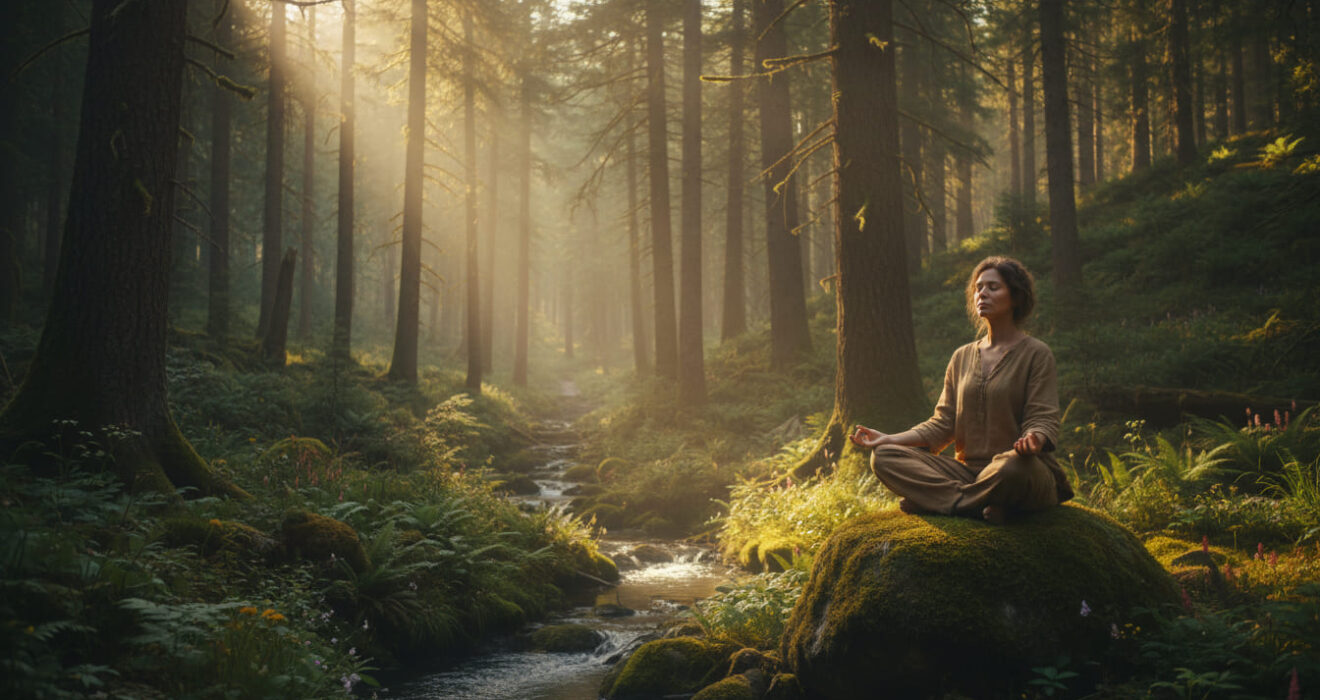
The Power of Forest Bathing for Mind and Body
The Power of Forest Bathing for Mind and Body
In our fast-paced, technology-driven world, stress and anxiety have become common challenges for millions. Many are seeking natural ways to rejuvenate their minds and bodies, and one practice gaining global attention is forest bathing. Originating in Japan as Shinrin-yoku, forest bathing is the practice of immersing oneself in nature, breathing in fresh air, and engaging all senses to experience the calming power of forests.
Studies show that spending time in forests can reduce stress, improve mood, and boost overall wellness, making forest bathing a natural therapy for mental and physical health. Unlike hiking or rigorous exercise, forest bathing encourages mindful relaxation and gentle immersion in nature’s atmosphere.
In this article, we explore the power of forest bathing for mind and body, its benefits, techniques, scientific backing, and practical tips to integrate this practice into daily life.
What is Forest Bathing?
Forest bathing is not simply walking in the woods—it is an intentional, mindful practice of being present in nature. The goal is to connect with the forest environment through all senses: sight, sound, smell, touch, and sometimes taste.
Key Features:
Mindful observation of trees, plants, and wildlife
Deep breathing of fresh, natural air
Gentle walking or sitting quietly
Engaging with natural textures, sounds, and scents
By slowing down and focusing on the environment, forest bathing allows the mind to relax while the body benefits from fresh air, phytoncides (plant chemicals), and natural scenery.
Mental Health Benefits of Forest Bathing
The modern world has increased mental stress, making practices like forest bathing essential for emotional well-being.
Stress Reduction
Spending time in forests lowers cortisol levels (stress hormones), helping the mind relax naturally.
Anxiety and Depression Relief
Nature exposure has been linked to reduced anxiety and depressive symptoms, improving mood and overall mental health.
Cognitive Boost
Forest bathing can enhance focus, creativity, and decision-making by reducing mental fatigue.
Mindfulness and Presence
Being in nature encourages mindfulness, helping individuals live in the present moment and appreciate surroundings.
Physical Health Benefits of Forest Bathing
Forest bathing is also beneficial for the body, providing subtle but powerful physiological effects.
Cardiovascular Health
Studies show forest exposure can lower blood pressure, heart rate, and reduce cardiovascular stress.
Improved Immunity
Phytoncides, chemicals emitted by trees, enhance immune system function by increasing natural killer cell activity.
Better Sleep
Spending time outdoors and reducing mental stress helps improve sleep quality and regulation.
Respiratory Benefits
Breathing fresh forest air improves lung function and oxygen circulation.
Gentle Exercise
Even slow walking during forest bathing improves circulation, joint mobility, and overall energy levels.
How Forest Bathing Works
Forest bathing combines mindfulness, sensory engagement, and gentle activity to create a holistic wellness experience.
Step 1: Choose a Forest or Natural Area
Select a safe, quiet forest or park that allows for immersion without distractions.
Step 2: Engage Your Senses
Notice the colors of leaves, textures of bark, sounds of birds, and scents of flowers. Avoid electronic devices to enhance focus.
Step 3: Breathe Deeply
Slow, intentional breathing helps absorb oxygen and natural chemicals like phytoncides.
Step 4: Move Slowly
Walk at a relaxed pace or sit quietly, observing nature. The goal is connection, not exercise.
Step 5: Reflect and Relax
Take a few minutes to meditate, journal, or simply rest in nature’s presence.
Scientific Research on Forest Bathing
Multiple studies highlight the effectiveness of forest bathing for mind and body health:
Cortisol Reduction: Forest exposure reduces stress hormone levels by 12–16%.
Blood Pressure Improvement: Spending time in nature lowers systolic and diastolic blood pressure.
Enhanced Immunity: Natural compounds from trees increase natural killer cell activity, supporting the immune system.
Mental Health Benefits: Participants report improved mood, decreased anxiety, and enhanced relaxation after regular forest bathing sessions.
Techniques to Enhance Forest Bathing
1. Mindful Walking
Focus on each step and the sensations in your body as you move through the forest.
2. Sensory Engagement
Touch leaves, listen to birds, smell flowers, and observe patterns in nature.
3. Meditation in Nature
Sit quietly under a tree or near a stream to meditate and focus on your breath.
4. Journaling and Reflection
Write down feelings, observations, or insights inspired by the forest environment.
5. Digital Detox
Turn off devices to fully engage with your surroundings and reduce mental distractions.
Tips for Beginners
Start with short sessions (20–30 minutes) and gradually increase.
Choose peaceful, safe areas with minimal human traffic.
Wear comfortable clothing and shoes suitable for nature trails.
Bring water and optional snacks, but avoid electronics.
Focus on being present rather than covering distance.
SEO Keywords Used Naturally
This article uses balanced keywords to improve search visibility:
forest bathing
benefits of forest bathing
mind and body wellness
nature therapy
stress relief in nature
Shinrin-yoku
forest meditation
connect with nature
natural healing
mindful nature practice
Global Popularity of Forest Bathing
Originating in Japan, forest bathing has spread worldwide, including:
United States: Wellness retreats and national parks offer guided forest bathing experiences.
Europe: Forest therapy walks are integrated into mental health programs.
Asia: South Korea, China, and Taiwan have national forest therapy initiatives.
Many wellness centers now offer forest bathing retreats, combining mindfulness, yoga, and natural immersion.
Frequently Asked Questions (FAQs)
1. What is forest bathing?
Forest bathing is a mindful practice of immersing yourself in forests to relax and rejuvenate your mind and body.
2. How often should I practice forest bathing?
Even short weekly sessions (20–60 minutes) can provide measurable mental and physical health benefits.
3. Is forest bathing the same as hiking?
No. Hiking focuses on exercise or exploration, while forest bathing emphasizes mindfulness and sensory immersion.
4. Can children and seniors practice forest bathing?
Yes. It is gentle and suitable for all ages, promoting relaxation and well-being.
5. Do I need a forest to practice it?
Forests provide the best environment, but any green natural area, park, or garden can be used.
Conclusion
The power of forest bathing for mind and body lies in its simplicity and accessibility. By immersing ourselves in nature, we reduce stress, improve physical health, and reconnect with the natural world. This gentle, mindful practice offers a holistic approach to wellness, supporting both emotional and physical balance.
Whether you are seeking stress relief, mental clarity, or a boost to your immune system, forest bathing provides a natural solution. By taking time to connect with forests, parks, or green spaces, you can unlock the profound benefits of nature therapy and create lasting positive changes in your health.
In a modern world dominated by screens, forest bathing reminds us of the healing and restorative power of simply being present in nature. for further information to read blogs.