
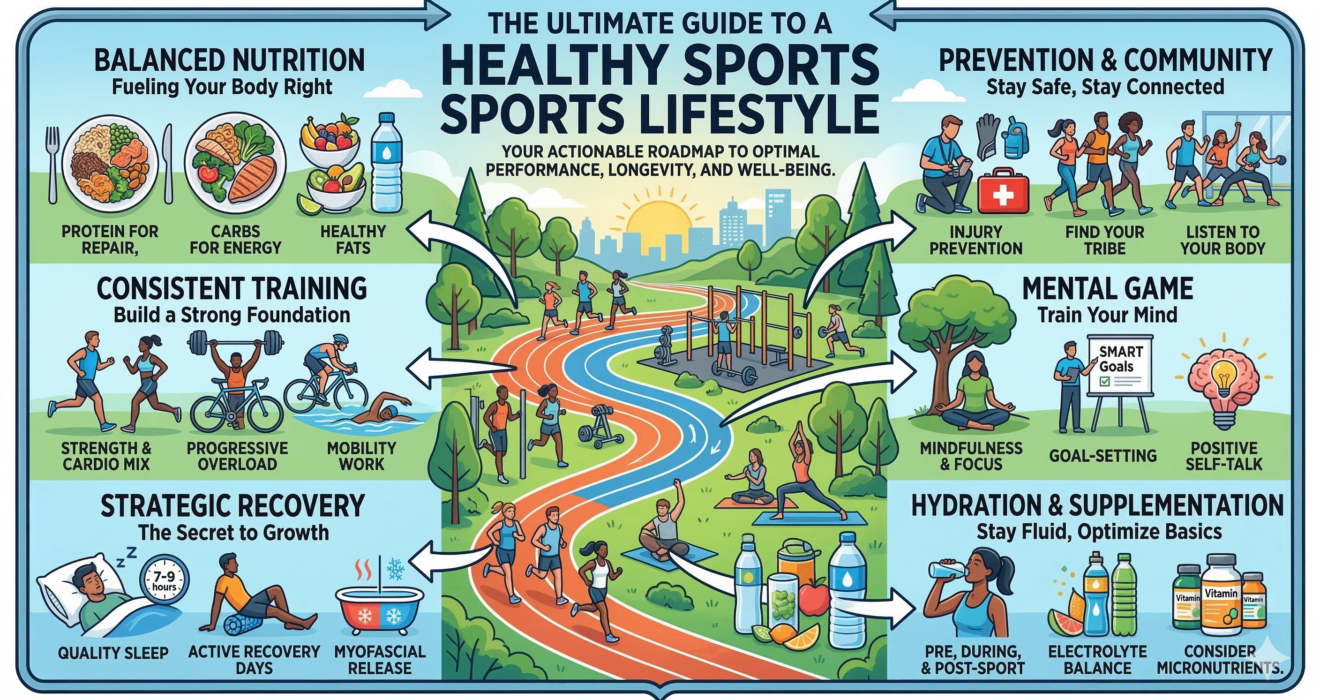
The Ultimate Guide to a Healthy Sports Lifestyle
The Ultimate Guide to a Healthy Sports Lifestyle
A healthy sports lifestyle is more than just playing games or exercising occasionally. It is a way of living that combines physical activity, balanced nutrition, mental discipline, and healthy habits to improve overall well-being. In today’s fast-paced world, many people spend long hours sitting at desks or using digital devices, which can negatively affect both physical and mental health. Adopting a sports lifestyle can help counter these effects by keeping the body active and the mind refreshed.
A sports lifestyle encourages individuals to participate in physical activities regularly, whether through organized sports, workouts, or recreational activities such as jogging, cycling, or swimming. People who follow a sports lifestyle often experience improved fitness, stronger muscles, better endurance, and increased energy levels.
Beyond physical benefits, sports also help develop important life skills such as discipline, teamwork, leadership, and perseverance. Whether you are a professional athlete or someone who simply enjoys staying active, embracing a healthy sports lifestyle can transform your daily routine and improve your quality of life.
This ultimate guide will explore the importance of a healthy sports lifestyle, the benefits it provides, practical ways to adopt it, and tips to maintain long-term fitness and well-being.
What Is a Healthy Sports Lifestyle?
A healthy sports lifestyle refers to a routine that includes regular physical activity, balanced nutrition, proper rest, and a positive mindset. It focuses on maintaining overall health through consistent movement and healthy habits.
People who follow a sports lifestyle usually:
Engage in regular exercise or sports activities
Eat nutritious and balanced meals
Maintain proper sleep routines
Stay mentally motivated and disciplined
Avoid unhealthy habits such as excessive junk food or inactivity
This lifestyle does not require becoming a professional athlete. Anyone can adopt it by simply making physical activity a regular part of daily life.
Benefits of a Healthy Sports Lifestyle
1. Improved Physical Health
One of the most important benefits of a sports lifestyle is better physical health. Regular sports activities help strengthen muscles, improve cardiovascular health, and increase overall body endurance.
Physical activity can help:
Improve heart health
Strengthen bones and muscles
Maintain healthy body weight
Boost immunity
Improve flexibility and balance
People who stay active are also less likely to suffer from lifestyle-related diseases such as obesity, diabetes, and high blood pressure.
2. Better Mental Health
Sports are not only beneficial for the body but also for the mind. Physical activity releases chemicals in the brain that help reduce stress, anxiety, and depression.
Participating in sports can:
Improve mood
Reduce stress levels
Increase confidence
Enhance focus and concentration
Promote a positive mindset
Many people use sports as a way to relax and escape daily stress, making it an important part of mental wellness.
3. Increased Energy and Productivity
A healthy sports lifestyle boosts energy levels and improves daily productivity. When the body becomes stronger and more active, daily tasks become easier to perform.
Regular exercise improves blood circulation and oxygen flow, which helps the brain function more efficiently. As a result, individuals feel more energetic and motivated throughout the day.
4. Development of Discipline and Confidence
Sports teach valuable life lessons such as discipline, patience, and perseverance. Athletes must follow training schedules, maintain healthy habits, and work consistently toward their goals.
This discipline often translates into other areas of life such as work, studies, and personal development.
Sports also build confidence by helping individuals achieve personal fitness goals and overcome challenges.
5. Social Connection and Teamwork
Sports bring people together and encourage teamwork and social interaction. Playing team sports helps individuals build friendships, improve communication skills, and develop leadership qualities.
Being part of a sports community can also increase motivation and encourage consistency in maintaining an active lifestyle.
Key Elements of a Healthy Sports Lifestyle
1. Regular Physical Activity
Regular physical activity is the foundation of a sports lifestyle. It is recommended to engage in at least 30–60 minutes of physical activity most days of the week.
Some popular sports and activities include:
Running or jogging
Football
Basketball
Swimming
Cycling
Tennis
Gym workouts
Choosing an activity you enjoy makes it easier to stay consistent and motivated.
2. Balanced Nutrition
Nutrition plays a critical role in supporting an active lifestyle. A balanced diet provides the body with the energy and nutrients needed for physical performance and recovery.
A healthy sports diet typically includes:
Lean proteins for muscle growth
Complex carbohydrates for energy
Healthy fats for overall health
Fruits and vegetables for vitamins and minerals
Adequate water for hydration
Avoiding excessive processed foods and sugary drinks is also important for maintaining optimal health.
3. Proper Hydration
Hydration is essential for maintaining physical performance. When the body loses fluids through sweat, it must be replenished to prevent dehydration.
Drinking enough water helps:
Maintain body temperature
Improve endurance
Prevent fatigue
Support muscle function
Athletes and active individuals should drink water before, during, and after physical activities.
4. Adequate Rest and Recovery
Rest is just as important as exercise in a healthy sports lifestyle. During rest, the body repairs muscles and restores energy levels.
Key recovery practices include:
Getting 7–9 hours of sleep each night
Taking rest days between intense workouts
Stretching after exercise
Practicing relaxation techniques
Proper recovery prevents injuries and ensures long-term fitness.
5. Mental Strength and Motivation
Maintaining a sports lifestyle requires motivation and a positive mindset. Setting realistic goals and tracking progress can help individuals stay focused and committed.
Some motivational strategies include:
Setting achievable fitness goals
Celebrating small victories
Training with friends or teams
Following inspiring athletes
Consistency and determination are key to maintaining a long-term sports lifestyle.
Tips for Starting a Healthy Sports Lifestyle
Starting a sports lifestyle does not require drastic changes. Small and consistent steps can lead to significant improvements over time.
Start Slowly
Beginners should start with light activities such as walking, stretching, or short workouts. Gradually increasing intensity helps the body adapt without causing injuries.
Choose Activities You Enjoy
Enjoyment is essential for consistency. Whether it is football, cycling, yoga, or dancing, choosing a favorite activity makes exercise more enjoyable.
Create a Routine
Scheduling regular workout sessions helps build discipline and consistency.
Track Your Progress
Monitoring improvements in strength, endurance, or fitness levels can boost motivation and encourage continued effort.
Stay Consistent
Consistency is the most important factor in maintaining a healthy sports lifestyle.
Common Challenges and How to Overcome Them
Lack of Time
Many people struggle to find time for exercise. However, even short workouts of 20–30 minutes can provide significant health benefits.
Lack of Motivation
Setting goals and exercising with friends can increase motivation and accountability.
Risk of Injuries
Proper warm-ups, stretching, and using correct techniques can help reduce the risk of injuries.
Long-Term Benefits of a Sports Lifestyle
Maintaining a sports lifestyle over time leads to numerous long-term benefits, including:
Longer life expectancy
Better heart health
Stronger bones and muscles
Improved mental well-being
Higher quality of life
People who remain active throughout their lives often maintain greater independence and mobility as they age.
Frequently Asked Questions (FAQs)
1. What is a sports lifestyle?
A sports lifestyle is a way of living that includes regular physical activity, healthy eating habits, proper rest, and mental discipline to maintain overall health and fitness.
2. How often should I exercise to maintain a sports lifestyle?
Most health experts recommend at least 150 minutes of moderate physical activity per week or around 30 minutes of exercise most days.
3. Can beginners adopt a sports lifestyle?
Yes, anyone can adopt a sports lifestyle. Beginners should start with simple exercises and gradually increase intensity over time.
4. What foods support a healthy sports lifestyle?
Foods rich in protein, complex carbohydrates, healthy fats, fruits, and vegetables help support energy levels and muscle recovery.
5. Why is rest important in a sports lifestyle?
Rest allows the body to recover, repair muscles, and prevent injuries, making it an essential part of maintaining long-term fitness.
Conclusion
A healthy sports lifestyle is one of the most effective ways to improve both physical and mental well-being. By incorporating regular physical activity, balanced nutrition, proper hydration, and adequate rest into daily routines, individuals can significantly enhance their overall quality of life.
Sports teach discipline, build confidence, and promote social connections while improving fitness and health. Whether through organized sports or simple daily exercises, adopting an active lifestyle can lead to lasting benefits. for further information to read blogs.