
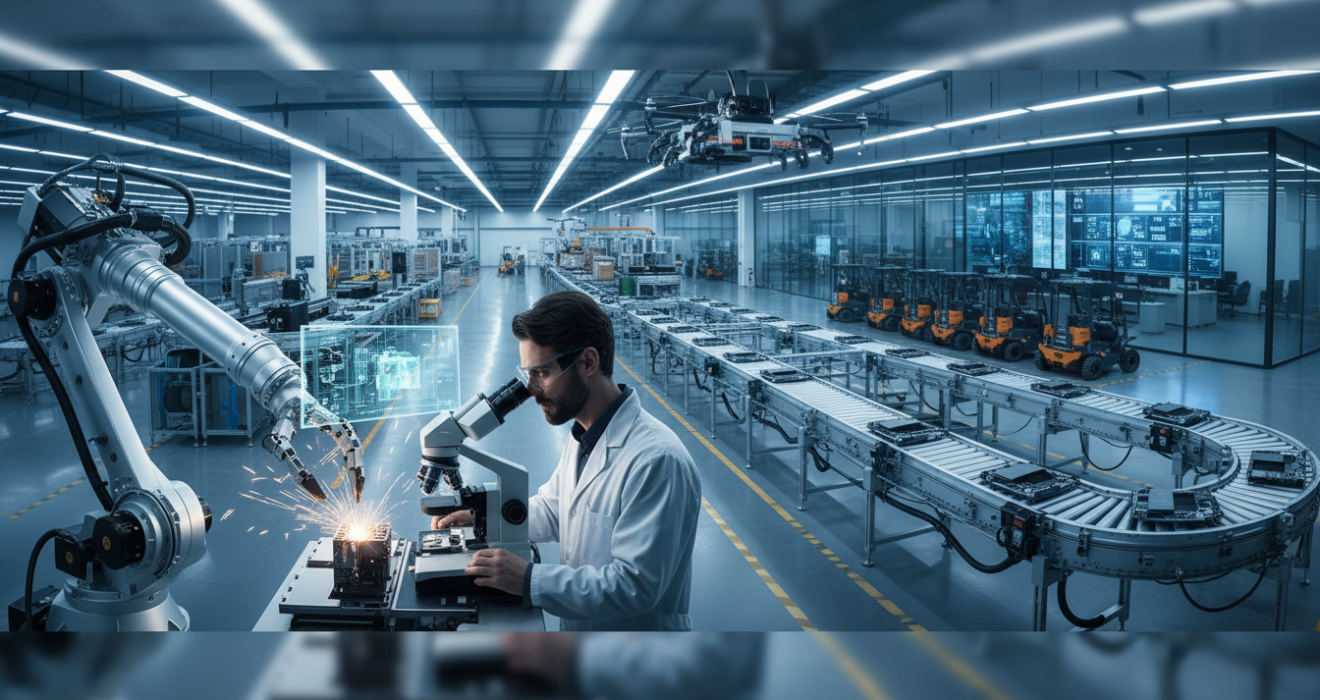
What is Technology: Understanding Its Core Concepts
Technology is an omnipresent force, fundamentally shaping human existence. From the simplest tools to the most complex digital systems, it represents the application of scientific knowledge for practical purposes. Indeed, it encompasses everything from the wheel to artificial intelligence, constantly evolving and redefining possibilities. This article delves into the essence of what is technology, exploring its definitions, historical progression, diverse forms, profound societal impacts, and future trajectory.
What is Technology? A Fundamental Definition
At its core, technology refers to the collection of techniques, skills, methods, and processes used in the production of goods or services or in the accomplishment of objectives, such as scientific investigation. Essentially, it is human innovation designed to solve problems, extend capabilities, and improve efficiency. Therefore, technology is not merely about gadgets; rather, it’s about the systematic application of knowledge to achieve practical outcomes. It bridges the gap between scientific discovery and its real-world utility, transforming theoretical understanding into tangible solutions. Consequently, understanding technology requires appreciating its multifaceted nature and its role as a driver of progress.
The Etymology and Evolution of the Term
The word “technology” originates from the Greek words techne*, meaning “art, skill, craft,” and *logia, meaning “study of” or “science of.” Initially, the term pertained primarily to industrial arts. However, its meaning expanded significantly during the 20th century. Today, it encompasses a vast array of human-made innovations, intellectual constructs, and methodologies. This evolution reflects humanity’s continuous quest for advancement and our growing reliance on sophisticated systems. Thus, the definition of technology itself has adapted to cover an ever-widening scope of human endeavor and invention.
The Core Characteristics of Technology
Several defining characteristics help us comprehend the true nature of technology. These attributes distinguish technological advancements from mere accidental discoveries or natural phenomena. Furthermore, they highlight the intentionality and systematic approach inherent in technological development.
Purpose-Driven Innovation
Every piece of technology serves a specific purpose. Humans create it to address a need, solve a problem, or improve an existing condition. For instance, early humans developed tools for hunting and gathering, while modern engineers design software to enhance communication. Consequently, this problem-solving orientation is a fundamental aspect of all technological progress. It underscores the human desire to overcome limitations and achieve greater efficiency.
Application of Knowledge
Technology inherently involves the application of scientific, engineering, and mathematical knowledge. It translates theoretical understanding into practical applications. Therefore, advancements in science often pave the way for new technologies. Conversely, technological breakthroughs can also drive scientific research. This symbiotic relationship between science and technology is crucial for sustained innovation.
Tools, Systems, and Processes
Technology manifests in various forms: physical tools (e.g., hammers, computers), complex systems (e.g., the internet, power grids), and refined processes (e.g., manufacturing assembly lines, algorithms). It is not solely about hardware; software, methodologies, and organizational structures are equally vital components. Ultimately, these interconnected elements work together to deliver desired functionalities and outcomes.
A Brief History of Technology: From Stone Tools to AI
The history of technology is intrinsically linked to the history of humanity. From the earliest hominids shaping stone to contemporary societies grappling with artificial intelligence, technological progress has consistently defined human eras. Indeed, understanding what is technology requires appreciating its long, transformative journey.

Early Human Technologies
The earliest technologies include simple tools like sharpened stones, fire control, and rudimentary shelters. These innovations were crucial for survival, enabling early humans to hunt more effectively, cook food, and protect themselves from the elements. Moreover, these foundational technologies laid the groundwork for more complex developments, proving that even basic tools can profoundly alter human capabilities.
The Agricultural Revolution
Around 10,000 BCE, the development of agricultural techniques such as irrigation, plows, and crop rotation dramatically transformed human societies. This period, known as the Agricultural Revolution, allowed for settled communities, food surpluses, and the rise of civilizations. Consequently, it freed a significant portion of the population from subsistence living, enabling specialization and further innovation.
The Industrial Revolutions
The 18th and 19th centuries witnessed the first Industrial Revolution, driven by steam power, mechanization, and factory systems. This was followed by the second, characterized by electricity, mass production, and steel. These revolutions fundamentally reshaped economies, labor, and urban life. Furthermore, they introduced unprecedented levels of production and global trade, forever altering human society.
The Digital Age and Beyond
The latter half of the 20th century ushered in the Digital Age, marked by the invention of computers, the internet, and mobile devices. This era revolutionized information, communication, and connectivity. Currently, we are experiencing rapid advancements in artificial intelligence, biotechnology, and sustainable energy, promising yet another wave of transformative change. Therefore, the pace of technological evolution continues to accelerate, presenting both opportunities and challenges.
Diverse Forms and Types of Technology
Technology is not a monolithic entity; rather, it manifests in countless specialized forms. Each type addresses distinct needs and operates within specific domains. Consequently, recognizing these different categories helps in understanding the breadth of what is technology in the modern world.
Information Technology (IT)
Information Technology (IT) involves the use of computers, storage, networking, and other physical devices, infrastructure, and processes to create, process, store, secure, and exchange all forms of electronic data. It underpins virtually every modern industry. For example, business operations, communication, and data analysis heavily rely on IT infrastructure. Therefore, IT is essential for the digital economy.
Communication Technology
Communication technology facilitates the transmission of information over distances. This includes telephones, radio, television, and most notably, the internet and mobile networks. These technologies have collapsed geographical barriers, enabling instant global communication. Moreover, they have profoundly impacted social interaction, business, and education.
Medical Technology
Medical technology encompasses all tools, devices, procedures, and systems used in healthcare to diagnose, treat, and prevent illness. Examples range from MRI scanners and surgical robots to pharmaceuticals and telemedicine platforms. Ultimately, these innovations extend lives, improve quality of life, and enhance diagnostic accuracy.
Green Technology
Green technology, or environmental technology, focuses on developing sustainable solutions to environmental problems. This includes renewable energy sources (solar, wind), waste management systems, and eco-friendly manufacturing processes. It aims to minimize human impact on the planet and promote resource efficiency. Consequently, green tech is vital for addressing climate change and resource depletion.
Manufacturing Technology
Manufacturing technology pertains to the processes and tools used to produce goods efficiently and at scale. This includes automation, robotics, 3D printing, and advanced materials science. Modern manufacturing relies heavily on these technologies to optimize production lines, reduce costs, and ensure quality. Furthermore, it drives global supply chains and economic productivity.
Biotechnology
Biotechnology harnesses biological processes for industrial and other purposes. This field involves genetic engineering, fermentation, and drug discovery. Applications span medicine, agriculture, and environmental remediation. For instance, gene-editing technologies like CRISPR offer revolutionary potential in treating diseases. Therefore, biotechnology is at the forefront of biological innovation.
Artificial Intelligence (AI) and Machine Learning (ML)
Artificial Intelligence (AI) involves developing computer systems that can perform tasks typically requiring human intelligence, such as learning, problem-solving, and decision-making. Machine Learning (ML), a subset of AI, enables systems to learn from data without explicit programming. These technologies are transforming industries from healthcare to finance. Consequently, they promise to redefine human-computer interaction and automation.
The Profound Impact of Technology on Society
Technology’s influence extends far beyond its immediate applications, deeply permeating every facet of society. It has brought about unprecedented progress, yet simultaneously introduced complex challenges. Understanding these dual effects is crucial when considering what is technology and its role in our world.

Economic Transformation
Technological advancements are primary drivers of economic growth. They create new industries, jobs, and markets while increasing productivity and efficiency in existing ones. Automation, for example, streamlines manufacturing processes, reducing costs and boosting output. However, this also presents challenges related to job displacement and the need for workforce reskilling. Therefore, economic policies must adapt to technological shifts.
Social and Cultural Shifts
Communication technologies, particularly the internet and social media, have drastically altered how people interact, form communities, and access information. They foster global connectivity and cultural exchange. Nevertheless, concerns about privacy, misinformation, and digital addiction have also emerged. Moreover, technology shapes cultural norms and values, influencing everything from entertainment to political discourse.
Ethical Considerations
Rapid technological progress often outpaces our ability to establish ethical guidelines. Issues surrounding AI bias, data privacy, genetic manipulation, and autonomous weapons systems demand careful consideration. Therefore, a robust ethical framework is essential to ensure that technology serves humanity responsibly. Engaging in public discourse about these ethical dilemmas is paramount.
Environmental Footprint
While green technologies offer solutions to environmental problems, the overall production and consumption of technology also have a significant ecological impact. Manufacturing electronics requires vast resources and generates waste, while data centers consume enormous amounts of energy. Consequently, sustainable practices and responsible disposal are critical to mitigating technology’s environmental footprint. Balancing innovation with ecological responsibility remains a key challenge.
Technology Across Various Sectors
Technology is not confined to specific industries; rather, it is a pervasive force that optimizes and innovates across virtually all sectors. Its widespread application underscores the versatility and transformative power inherent in what is technology today.
Business and Industry
In business, technology drives efficiency, innovation, and competitive advantage. Enterprise resource planning (ERP) systems streamline operations, while data analytics provides insights for strategic decision-making. Automation and robotics enhance manufacturing and logistics. Furthermore, e-commerce platforms have revolutionized retail, enabling global reach for businesses of all sizes. Thus, technology is indispensable for modern enterprises.
Education
Technology has revolutionized learning environments. E-learning platforms, educational apps, and interactive whiteboards enhance student engagement and accessibility. Remote learning, facilitated by video conferencing and digital resources, has become a staple. Consequently, technology democratizes education, offering new avenues for knowledge acquisition and skill development to a global audience.
Healthcare
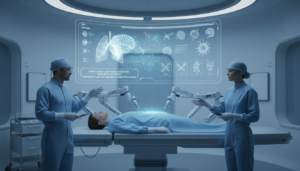
Healthcare benefits immensely from technological advancements. Diagnostic imaging, robotic surgery, electronic health records, and personalized medicine powered by genomics are transforming patient care. Telemedicine allows remote consultations, increasing access to medical expertise. Moreover, wearable health trackers empower individuals to monitor their well-being proactively. Therefore, medical technology continuously pushes the boundaries of treatment and prevention.
Daily Life and Personal Use
From smartphones and smart homes to GPS navigation and streaming services, technology is deeply integrated into daily personal life. It simplifies tasks, provides entertainment, and keeps us connected. Wearable devices monitor fitness, while smart appliances automate household chores. Consequently, technology has become an indispensable part of modern living, enhancing convenience and comfort.
The Future of Technology: Emerging Trends and Challenges
The trajectory of technology continues its rapid ascent, promising a future filled with both incredible possibilities and significant challenges. Predicting the exact future is difficult; however, several emerging trends offer glimpses into what lies ahead. Indeed, the ongoing evolution of what is technology will profoundly shape the coming decades.

Automation and Robotics
Automation and robotics will continue to expand beyond manufacturing into services, logistics, and even personal assistance. Advanced robots will perform increasingly complex tasks, enhancing productivity and safety in many industries. However, this also necessitates addressing the societal implications, particularly concerning employment and the nature of work. Therefore, retraining and education will be crucial.
Internet of Things (IoT)
The Internet of Things (IoT) involves connecting everyday objects to the internet, enabling them to send and receive data. Smart cities, connected homes, and industrial IoT applications will become more prevalent, creating intelligent environments that optimize resource use and enhance convenience. This interconnectedness, however, also raises significant concerns about data security and privacy. Consequently, robust security protocols are paramount.
Quantum Computing
Quantum computing, though still in its nascent stages, holds the potential to solve problems currently intractable for classical computers. It could revolutionize fields like medicine, materials science, and cryptography. While practical applications are still some years away, the development promises breakthroughs in scientific research and complex data analysis. Therefore, it represents a frontier of computational power.
Cybersecurity
As technology becomes more integrated into every aspect of life, cybersecurity will grow even more critical. Protecting data, infrastructure, and privacy from increasingly sophisticated threats will be an ongoing challenge. Innovations in AI and machine learning will be essential for developing advanced defensive mechanisms. Moreover, user education on best practices will remain vital.
Ethical AI Development
Ensuring that AI is developed and used ethically will be a paramount challenge. Addressing issues of bias, transparency, accountability, and the potential for misuse will require collaborative efforts from technologists, policymakers, and society at large. Establishing clear regulations and ethical guidelines will be crucial for harnessing AI’s benefits responsibly. Consequently, human oversight and values must guide AI’s evolution.