
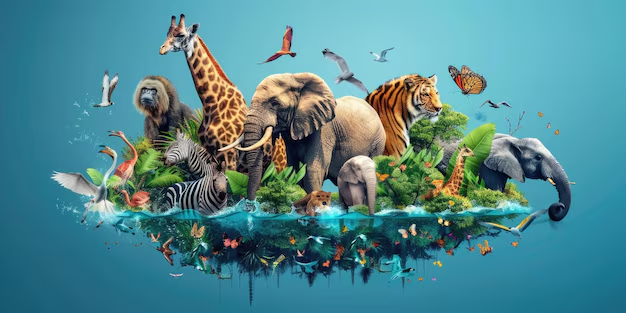
Wildlife Nature: How Animals Thrive in the Natural World
Wildlife Nature: How Animals Thrive in the Natural World
The natural world is filled with incredible diversity, beauty, and balance. From dense rainforests and vast oceans to deserts and mountains, animals have adapted to live and thrive in a wide range of environments. Wildlife nature represents the delicate relationship between animals, plants, ecosystems, and the environment that supports life on Earth.
Animals survive in nature through remarkable adaptations, strong survival instincts, and their ability to interact with their surroundings. Every species plays an important role in maintaining the balance of ecosystems. Understanding how animals thrive in wildlife nature helps us appreciate the complexity of the natural world and recognize the importance of protecting wildlife habitats.
In today’s rapidly changing world, wildlife faces many challenges such as habitat loss, climate change, and pollution. Learning about how animals survive and adapt in the natural environment can inspire people to support conservation efforts and protect the biodiversity of our planet.
This article explores how animals thrive in wildlife nature, the importance of ecosystems, the strategies animals use for survival, and why protecting wildlife is essential for the future of Earth.
The Meaning of Wildlife Nature
Wildlife nature refers to animals living freely in their natural habitats without human control. These habitats include forests, grasslands, oceans, wetlands, deserts, and mountains. In these environments, animals rely on natural resources such as food, water, and shelter to survive.
Wildlife nature includes many types of animals:
Mammals such as lions, elephants, and deer
Birds like eagles, parrots, and owls
Reptiles including snakes and turtles
Amphibians such as frogs and salamanders
Marine animals like dolphins, whales, and fish
Each species plays a role in maintaining ecological balance. Predators control populations of other animals, herbivores help plant growth, and many species contribute to nutrient cycles.
Natural Habitats and Wildlife Survival
Animals thrive in wildlife nature because they have adapted to specific habitats. A habitat provides everything an animal needs to survive, including food, water, shelter, and space.
Forest Habitats
Forests are one of the most diverse wildlife environments. Many animals such as monkeys, birds, insects, and large mammals live in forests. Trees provide shelter, food, and protection from predators.
Animals in forests often develop skills like climbing, camouflage, and sharp senses to survive.
Desert Habitats
Deserts may seem harsh, but many animals thrive in these environments. Species like camels, lizards, and desert foxes have special adaptations to survive extreme heat and limited water.
For example:
Camels store fat in their humps for energy.
Many desert animals are active at night to avoid heat.
Ocean Habitats
The oceans contain some of the most diverse wildlife on Earth. Marine animals such as sharks, dolphins, coral, and fish depend on ocean ecosystems for survival.
Ocean habitats provide food chains that support millions of species.
Grasslands and Savannas
Grasslands are home to animals such as zebras, antelopes, lions, and elephants. These animals rely on open spaces for grazing, hunting, and migration.
Predators and herbivores maintain the balance of wildlife nature in these regions.
Adaptations That Help Animals Thrive
Animals survive in nature because they develop adaptations, which are physical or behavioral changes that help them live in their environment.
Physical Adaptations
Physical adaptations involve body features that improve survival.
Examples include:
Thick fur to survive cold climates
Sharp claws for hunting
Long necks for reaching food
Camouflage colors to hide from predators
These features allow animals to survive in different ecosystems.
Behavioral Adaptations
Behavioral adaptations involve actions animals take to survive.
Examples include:
Migration to find food and better climates
Hibernation during cold seasons
Hunting strategies used by predators
Group living for protection
These behaviors help animals respond to environmental changes.
Food Chains and Ecosystem Balance
In wildlife nature, animals depend on food chains to survive. A food chain shows how energy moves from plants to animals.
For example:
Plants → Herbivores → Carnivores → Apex predators
Plants use sunlight to produce energy. Herbivores eat plants, carnivores eat herbivores, and predators control animal populations.
Food chains help maintain ecosystem balance. If one species disappears, the entire system may become unstable.
The Role of Biodiversity in Wildlife Nature
Biodiversity refers to the variety of living organisms in an ecosystem. High biodiversity means many species live together and support one another.
Biodiversity is important because it:
Maintains ecosystem stability
Supports food chains
Provides natural resources
Helps ecosystems recover from environmental changes
Healthy ecosystems with strong biodiversity allow animals to thrive in wildlife nature.
How Animals Protect Themselves in Nature
Animals face many dangers in the wild, including predators, harsh weather, and competition for resources. To survive, they develop protective strategies.
Camouflage
Some animals blend into their surroundings to avoid predators. For example, insects and reptiles often have colors that match their environment.
Defensive Features
Many animals have defensive tools such as:
Horns
Shells
Spikes
Poison
These features help protect them from threats.
Group Living
Animals like wolves, elephants, and birds live in groups. Group living provides safety, cooperation, and better chances of survival.
Human Impact on Wildlife Nature
While animals have adapted to natural environments for millions of years, human activities have created new challenges.
Major threats to wildlife include:
Habitat Destruction
Deforestation and urban expansion destroy natural habitats where animals live.
Pollution
Plastic waste, chemicals, and pollution harm wildlife in oceans, forests, and rivers.
Climate Change
Rising temperatures and changing weather patterns affect animal migration, food sources, and habitats.
Illegal Hunting
Poaching and illegal wildlife trade threaten many species with extinction.
Wildlife Conservation Efforts
Protecting wildlife nature requires global cooperation and responsible actions.
Conservation efforts include:
Creating national parks and wildlife reserves
Protecting endangered species
Reducing pollution
Promoting sustainable living
Educating communities about wildlife protection
Many organizations work to protect wildlife and maintain ecosystem balance.
How People Can Help Protect Wildlife
Individuals can contribute to wildlife conservation through simple actions.
Support Environmental Organizations
Donating or volunteering with conservation groups helps protect wildlife.
Reduce Plastic Use
Reducing plastic waste protects marine animals and ecosystems.
Respect Wildlife Habitats
When visiting natural areas, avoid disturbing animals or damaging habitats.
Spread Awareness
Educating others about wildlife protection encourages responsible behavior.
The Connection Between Humans and Wildlife Nature
Humans depend on nature more than they realize. Wildlife and ecosystems provide:
Clean air and water
Food resources
Climate regulation
Natural medicines
Tourism opportunities
Protecting wildlife is not only about saving animals—it is also about protecting the health of the planet and future generations.
FAQs About Wildlife Nature
1. What does wildlife nature mean?
Wildlife nature refers to animals living freely in natural environments such as forests, oceans, deserts, and grasslands without human control.
2. Why is wildlife important to the environment?
Wildlife maintains ecosystem balance, supports biodiversity, and helps regulate natural processes such as pollination and food chains.
3. How do animals adapt to their environments?
Animals adapt through physical features such as fur or claws and behaviors like migration, camouflage, and hunting strategies.
4. What are the biggest threats to wildlife today?
Major threats include habitat destruction, pollution, climate change, illegal hunting, and human expansion into natural habitats.
5. How can people help protect wildlife?
People can help by supporting conservation efforts, reducing pollution, protecting habitats, and spreading awareness about wildlife protection.
Conclusion
Wildlife nature represents one of the most remarkable systems on Earth. Animals thrive in the natural world through unique adaptations, strong survival instincts, and their connection to complex ecosystems. From forests and oceans to deserts and grasslands, every habitat supports life in extraordinary ways.
However, wildlife today faces many challenges due to human activities and environmental changes. Protecting wildlife and preserving natural habitats is essential for maintaining biodiversity and ecological balance.
By understanding how animals survive and thrive in wildlife nature, people can develop a deeper respect for the natural world. Conservation efforts, responsible lifestyles, and environmental awareness can help protect wildlife for future generations. for further information to read blogs.