
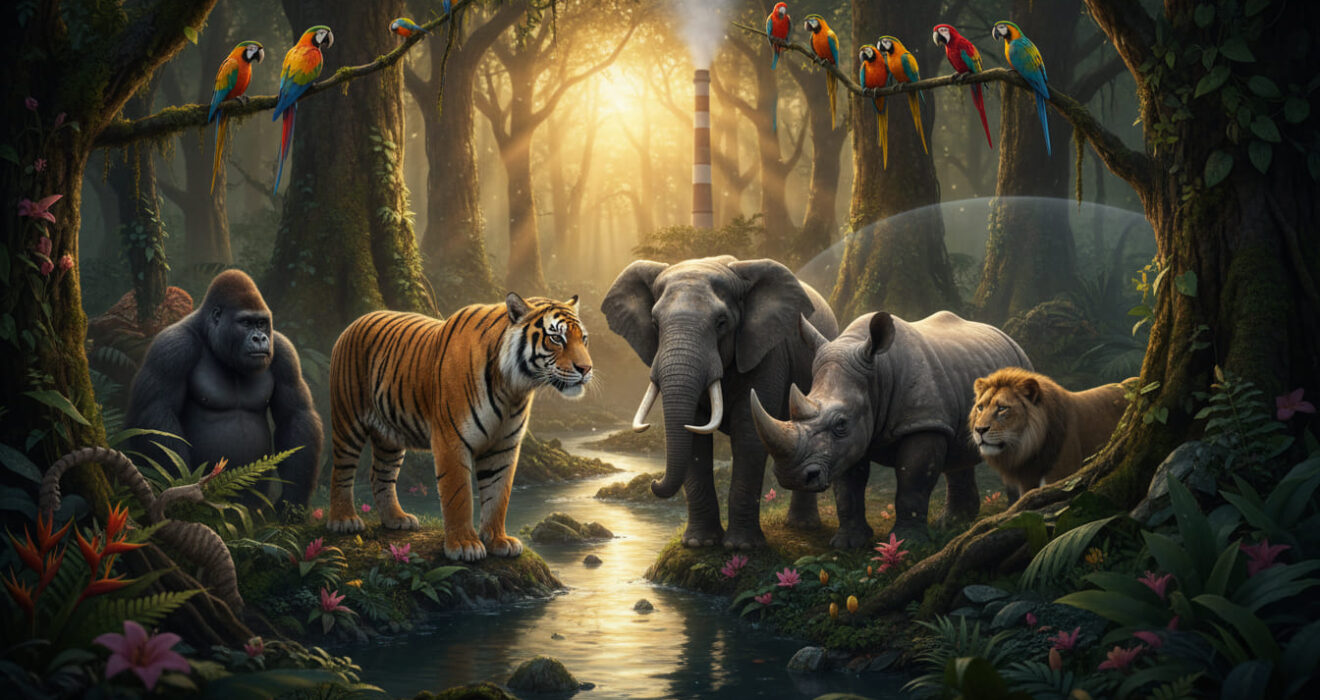
Wildlife Protection: Safeguarding Nature’s Creatures
Wildlife Protection: Safeguarding Nature’s Creatures
Wildlife forms the backbone of our planet’s ecosystems, maintaining the balance between flora and fauna. From the smallest insects to the largest mammals, every species plays a crucial role in sustaining biodiversity. However, human activities such as deforestation, poaching, and climate change have led to unprecedented threats to wildlife. Today, wildlife protection has become more critical than ever.
Wildlife protection refers to the conservation of animals and their habitats, preventing extinction and ensuring that ecosystems remain healthy. By implementing effective strategies and raising awareness, we can safeguard nature’s creatures and promote environmental sustainability.
This article explores the importance of wildlife protection, current threats, conservation strategies, and how individuals and communities can contribute to protecting animals and their habitats.
Importance of Wildlife Protection
Ecological Balance
Wildlife contributes to maintaining the ecological balance. Predators, prey, and plant species interact to ensure ecosystems function correctly. Protecting wildlife preserves these delicate relationships.
Environmental Health
Animals aid in pollination, seed dispersal, and maintaining soil fertility. Wildlife protection supports natural processes essential for clean water, fertile soil, and healthy forests.
Biodiversity
Biodiversity ensures ecosystem resilience against climate change, diseases, and natural disasters. Protecting wildlife preserves species variety and ecosystem stability.
Human Benefits
Humans rely on wildlife for food, medicine, and economic activities like ecotourism. Wildlife protection ensures long-term sustainability and resource availability.
Major Threats to Wildlife
Despite its importance, wildlife faces numerous threats:
Habitat Destruction
Deforestation, urbanization, and agriculture reduce natural habitats for animals. Many species lose their homes and struggle to survive.
Poaching and Illegal Trade
Hunting for fur, ivory, or exotic pets endangers species like tigers, elephants, and pangolins.
Climate Change
Rising temperatures, changing rainfall patterns, and extreme weather events disrupt habitats and migration patterns.
Pollution
Plastic waste, chemical runoff, and air pollution harm animals directly and destroy their ecosystems.
Human-Wildlife Conflict
Expanding human settlements cause conflicts with animals, often leading to injury or death on both sides.
Iconic Endangered Species
Several species symbolize the urgent need for wildlife protection:
Tiger – Critically endangered due to poaching and habitat loss
Elephant – Threatened by ivory trade and deforestation
Giant Panda – Conserved successfully but still vulnerable
Rhino – Poached for horns, protected in reserves
Snow Leopard – Habitat threatened by climate change
Protecting these species requires global cooperation and effective conservation strategies.
Wildlife Protection Strategies
1. Establish Protected Areas
National parks, wildlife reserves, and sanctuaries provide safe habitats where animals can thrive. Examples include Yellowstone National Park (USA) and Kaziranga National Park (India).
2. Anti-Poaching Measures
Strict law enforcement, ranger patrols, and community vigilance help reduce poaching.
3. Habitat Restoration
Reforestation, wetland rehabilitation, and removal of invasive species restore natural habitats.
4. Legal Frameworks
Wildlife protection laws like the Endangered Species Act and Convention on International Trade in Endangered Species (CITES) prevent illegal hunting and trade.
5. Community Involvement
Local communities can participate in conservation programs, sustainable tourism, and awareness campaigns to protect wildlife.
Role of Technology in Wildlife Protection
Modern technology enhances conservation efforts:
Drones and Satellites: Monitor habitats and track poaching activities
GPS Collars: Track animal movements and migration patterns
Camera Traps: Document wildlife behavior without human interference
Data Analytics: Predict threats and optimize conservation strategies
These tools help authorities and researchers implement more effective wildlife protection measures.
How Individuals Can Help
Everyone can contribute to wildlife conservation in simple but meaningful ways:
Avoid buying products made from animal parts
Support wildlife charities and NGOs
Plant native trees and maintain local habitats
Volunteer for conservation projects
Spread awareness through social media and education
Even small actions can have a significant impact on protecting nature’s creatures.
Global Wildlife Protection Initiatives
International Efforts
WWF (World Wildlife Fund): Works to conserve species and habitats worldwide
IUCN (International Union for Conservation of Nature): Maintains the Red List of endangered species
CITES: Regulates international trade of endangered animals
Local Initiatives
National wildlife reserves
Ecotourism programs
Community-driven conservation projects
Collaboration between governments, NGOs, and communities is vital for effective wildlife protection.
Benefits of Wildlife Protection
Protecting wildlife offers numerous ecological, social, and economic benefits:
| Benefit | Explanation |
|---|---|
| Biodiversity Maintenance | Protects diverse species and ecosystems |
| Ecosystem Services | Pollination, seed dispersal, and water purification |
| Climate Regulation | Forests and wildlife habitats reduce carbon and mitigate climate change |
| Economic Growth | Ecotourism and sustainable wildlife industries |
| Cultural and Educational Value | Preserves heritage and educates future generations |
SEO Keywords Used Naturally
Balanced keywords in this article include:
wildlife protection
endangered species
conservation of animals
preserve wildlife
protect nature
ecosystem conservation
habitat restoration
anti-poaching measures
biodiversity protection
wildlife conservation strategies
These improve search engine visibility while keeping the content natural and informative.
Frequently Asked Questions (FAQs)
1. What is wildlife protection?
Wildlife protection is the practice of conserving animals and their natural habitats to prevent extinction and maintain biodiversity.
2. Why is wildlife protection important?
It ensures ecological balance, preserves biodiversity, supports human survival, and protects natural resources.
3. What are the main threats to wildlife?
Major threats include habitat destruction, poaching, climate change, pollution, and human-wildlife conflicts.
4. How can individuals contribute to wildlife protection?
People can avoid products from endangered species, support conservation NGOs, volunteer, plant trees, and raise awareness.
5. What are some successful wildlife protection examples?
Programs like the Giant Panda conservation, anti-poaching measures for tigers, and creation of protected reserves worldwide are successful initiatives.
Conclusion
Wildlife protection is not just an environmental concern it is a responsibility we all share. Safeguarding nature’s creatures ensures ecological balance, preserves biodiversity, and supports human well-being. By implementing legal frameworks, technological tools, habitat restoration, and community involvement, we can protect endangered species and their habitats effectively.
From iconic animals like tigers and elephants to lesser-known species, every creature plays a role in sustaining life on Earth. Protecting wildlife is crucial for the planet’s future and for the continued health of ecosystems that humans rely upon. for further information to read blogs.